Sustainable business practices in harmony with nature

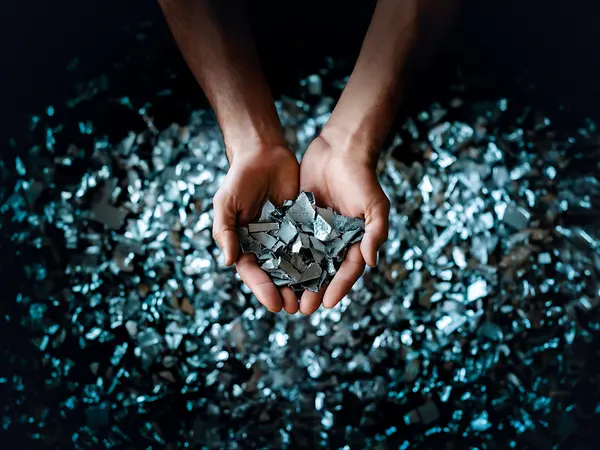
As a company in the construction industry, Schüco is reliant upon a number of different natural resources. These include aluminium and iron ore, crude oil and sand in particular. Their production and fabrication are also linked to a high level of land use and water consumption. For us, having sustainable business practices means ensuring we do not overuse the available resources and, where this has already happened, actively working towards regenerating and relieving the strain on ecosystems.  

20250516_1448_Fußball-T-Shirt im Stadion_remix_01jvcj3tqvetssbtt978a4t0ma Kopie
© WWF / James Morgan

Added value and the environment: Understanding the connection

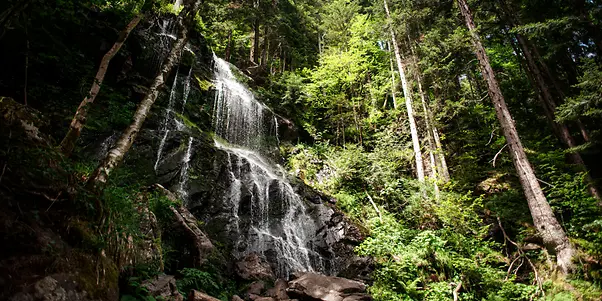
Fabricating materials, transport and building planning: we impact ecosystems in many ways throughout our value chain. The mining of bauxite (the primary source of aluminium) and the extraction of crude oil for PVC production, have a significant impact on natural habitats. The design and use of buildings also affects land use and the environment. However, unspoiled ecosystems are crucial for our economic success. This is predominantly evident when extreme weather events lead to disruptions in the supply chain.  

Many of the negative effects on biodiversity, soil, air and and water resources occur in the upstream processes, outside of our direct area of responsibility. Nevertheless, we do contribute indirectly through our material procurement.  

In order to manage our environmental impact in a targeted way and promote sustainable solutions, it is essential that we better understand the relationship between our interdependencies and impacts.  

20250516_1448_Fußball-T-Shirt im Stadion_remix_01jvcj3tqvetssbtt978a4t0ma Kopie
© WWF / Claudi Nir

Our approach

Together with the WWF, we are currently developing an environmental and climate strategy to systematically identify and address biodiversity, water and raw material-related issues both within our direct sphere of influence and throughout the value chain. Our aim is to minimize negative impacts on ecosystems while contributing to the conservation and regeneration of natural habitats. 

Site development and land use

We avoid soil sealing and, where this is not otherwise possible, seek to enhance built-up and sealed areas whilst taking biodiversity criteria into account. This includes, for example, green roofs and facades or concepts for rainwater harvesting.

Water management

In 2025, we began developing a comprehensive water strategy covering both our own sites and high-risk areas within the supply chain. As part of this process, we are currently assessing which sites are located in areas of high water stress in order to coordinate appropriate measures and transition plans based on this information. The strategy and action planning are scheduled for finalized in 2026. Until then, the risks will be continuously monitored and transparently addressed as part of our annual sustainability reporting.

Impact on marine ecosystems

Our business activities are not directly related to oceans or seas. However, indirect impacts on marine ecosystems arise from emissions and discharges along the value chain – for example, during transport, energy use or raw material extraction. We address these aspects as part of our overarching environmental and climate strategy, in particular through measures to reduce CO₂ emissions, waste and water-related environmental impacts. 

Deforestation

We use wood only to a limited extent. However, we are aware that deforestation along global supply chains is a relevant sustainability issue. Against this background, the issue forms part of our strategic considerations regarding the management of sustainability aspects relating to biodiversity and water.  In our own material procurement, we ensure that wood and paper products come from responsible sources. Where possible, we use certified materials (e.g. FSC- or PEFC-certified). 

Dealing with microplastics

In our plastics division, we use polymer-based materials that, according to the regulatory definition, are classified as microplastics. Processing takes place in closed or controlled technical systems, so that, to the best of our knowledge, no significant unintended releases of microplastics into the air, water or soil occur. Nevertheless, minor releases of microplastics may occur, for example due to material losses during handling or through wind drift. For the reporting year, the amount released was estimated at around 0.3 tonnes. 

To minimize such losses, Schüco has implemented measures for controlled handling and cleaning. These include defined cleaning cycles, standardized processes for dealing with incidents, and the use of industrial extraction systems. The measures are based on the requirements of the voluntary ‘Operation Clean Sweep’ initiative, an internationally recognized standard for preventing granulate losses in the plastics industry. We are currently preparing for the relevant certification.

Material health

As part of the dual materiality analysis carried out during the reporting year, we examined in detail the aspect of material health in our products . These consist predominantly of aluminum alloys, steel and polymeric materials (in particular thermoplastics and elastomers).

Aluminum profiles

In 2025, 95 of our aluminum systems were certified  to the Cradle to Cradle (C2C) standard: of these, 80 systems achieved ‘Silver’ status and 15 ‘Bronze’ status. Certification required a systematic assessment of the ingredients used in the “material health” category. For the “Silver” level, around 95 per cent of the substances used in each system were recorded, assessed and classified as harmless in terms of their impact on people and the environment.

To learn more about the materials not yet been assessed and to demonstrate that our products comply with all limit values set out in the EU Chemicals Regulation (REACH), we began during the reporting period to expand our existing substance assessment beyond the previous C2C scope. In particular, we focused in particular on the ‘SVHC’ (Substances of Very High Concern) class. The REACH Regulation stipulates that products containing more than 0.1 per cent by weight of SVHCs must be specially labelled.

Based on current information, potential SVHC occurrences could arise particularly in hardware components. These are functional metal components with a typical individual weight of between 0.1 and 0.3 kg. Based on preliminary estimates, the potentially affected quantity of substances could be in the low single-digit tonnes range relative to annual sales volumes. A final quantitative assessment is currently being prepared.  

Plastic profiles

Our PVC products are manufactured exclusively using calcium-zinc stabilizers that are harmless to health. Confirmation was provided that the content of tin and SVHC phthalates, as defined by the DGNB criteria ENV1.2 (2018), was below 0.1 per cent. The cadmium content was below 0.01 per cent.

In our CO₂-optimized material grades BALANCED PVC and RECYCLED PVC, recycled window material was used in the inner core of the PVC profiles where available. Existing stocks may contain lead stabilizers as so-called ‘legacy additives’. The use of these stabilizers was phased out by 2004 as part of a voluntary initiative by European system manufactures; however, an EU-wide ban was not introduced until 2015. The lead compounds are permanently bound within the material, meaning that their use did not result in any restrictions and all relevant REACH requirements were met.    

Biodiversity and water

We determine our material topics as follows:

20250516_1448_Fußball-T-Shirt im Stadion_remix_01jvcj3tqvetssbtt978a4t0ma Kopie

Software-supported analysis:

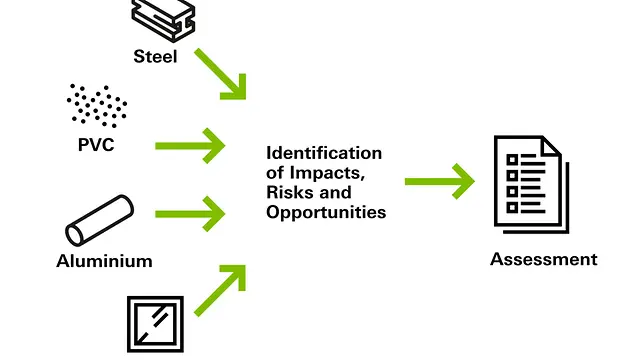
Using the WWF Risk Filter tool, we determined potential impacts, risks and opportunities throughout our value chain. The core materials of aluminium, PVC, steel and glass were a focus for us. The knowledge gained was assessed using a four-point scale.  

20250516_1448_Fußball-T-Shirt im Stadion_remix_01jvcj3tqvetssbtt978a4t0ma Kopie

Site analysis:

As part of the project with the Michael Otto Foundation for Environmental Protection, criteria for a site-specific assessment of biodiversity topics were devised. Together with the WWF, we are now working on converting these findings into a strategy, in order to collect structured data in a subsequent step.

20250516_1448_Fußball-T-Shirt im Stadion_remix_01jvcj3tqvetssbtt978a4t0ma Kopie

Stakeholder dialogue:

By talking to experts – through personal conversations, discussion forums and multi-stakeholder initiatives – we are deepening our understanding of the sustainability topics identified and their relevance.

"As a company in the construction industry, we have a particular responsibility to protect biodiversity and reduce our water footprint. That’s why we are currently working to gain a clearer understanding of our specific impact on ecosystems."

Jörg Warning, Senior Expert Sustainability

20250516_1448_Fußball-T-Shirt im Stadion_remix_01jvcj3tqvetssbtt978a4t0ma Kopie
© WWF / Claudi Nir

Our next steps

We are currently developing a strategy together with the WWF to systematically identify and address biodiversity, water and raw material-related aspects, both in our direct area of influence and throughout the wider value chain.  

Our approach is based on the understanding that sustainability is a holistic challenge as defined by the UN Sustainable Development Goals (SDGs). Our aim is to minimise negative impacts on ecosystems through site-specific measures and to promote the regeneration of these natural environments.  

We see the circular economy as a key lever for change: Through increased use of recycled materials and materials that conserve resources, we will reduce our dependence on primary raw materials and therefore make an active contribution towards protecting the environment.  

Nature and environmental protection: Key figures

Water-related key figures

Water-related key figures

Water consumption in cubic metres (m3)2025 
Total water consumption171.903 
Total volume of water recovered and reused 26.142 
Total volume of stored water5.044