Varvstaden

The legacy of the shipyard

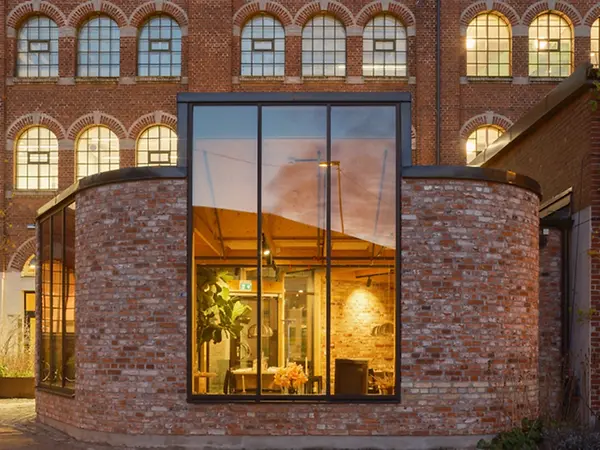
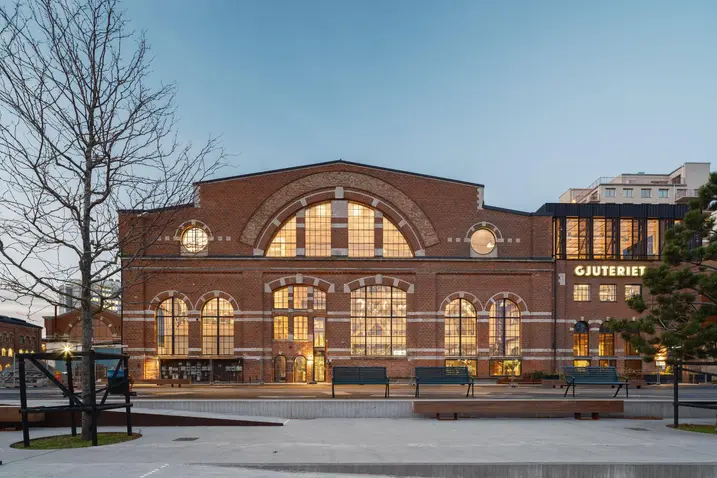
At Malmö harbour, the former industrial buildings of the Kockums shipyard have been converted into modern offices, restaurants, shops and apartments. The result is an urban district that preserves the industrial heritage of the area while simultaneously opening it up to the public.

Reference details

Type of Building Districts and mixed use buildings
Product areas Windows Doors Facades Sliding doors
Schüco Systems FWS 50 ADS 75 HD.HI AWS 75.SI+
Features Refurbishment Investors
Location Malmö, Sweden
Completion 2024
Architects Elding Oscarson,Kjellander Sjöberg,Wingårdhs arkitekter
Specialist company AGF System AB
Picture credits © Olsheden & Co AB

Revitalising an unused area

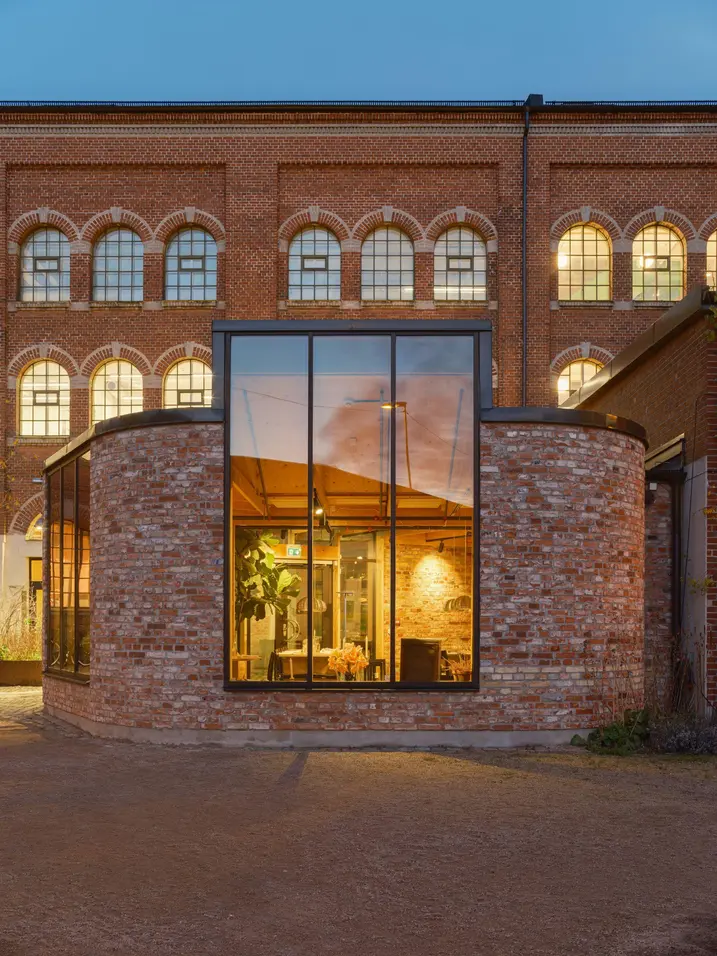
The individual preserved brick buildings were subject to heritage protection regulations, but also needed to be adapted to meet modern requirements in terms of energy efficiency and safety. “The buildings have completely different characteristics and are structurally challenging, but nevertheless possess fantastic architectural value,” says Erik Wennerholm, Infrastructure Project Manager. Varvsstaden was closed off to Malmö’s residents for a long time, now the district is connected to the city. “It is incredibly important that the buildings, together with their streets and parks, integrate into city life to create a vibrant urban district,” explains Wennerholm. Schüco façade, window and door systems were used in the refurbishment of three buildings: Magasinet, Gjuteriet and Snickeriet.

240815_Schüco_Keyvisual_Erlkönig

Schüco Value Up

Erfahren Sie mehr zu unserem ganzheitlichen Angebot zum Werterhalt im Bestandsbau.

Learn more
Magasinet, designed by Wingårhs Architekten

Magasinet (the warehouse)

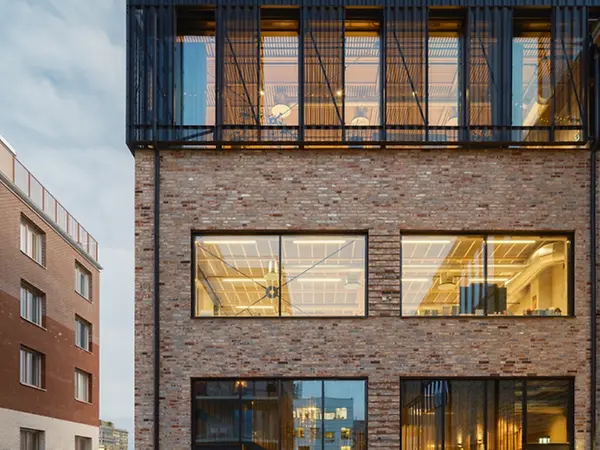
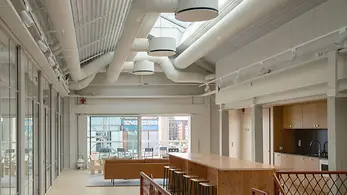
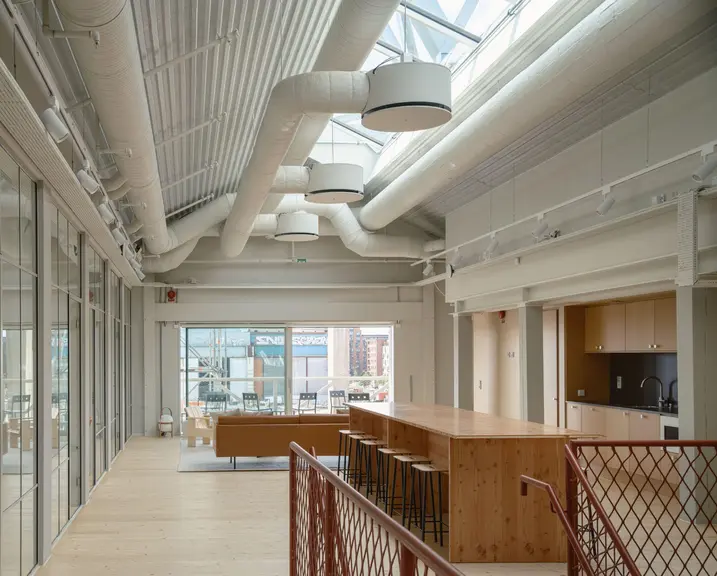
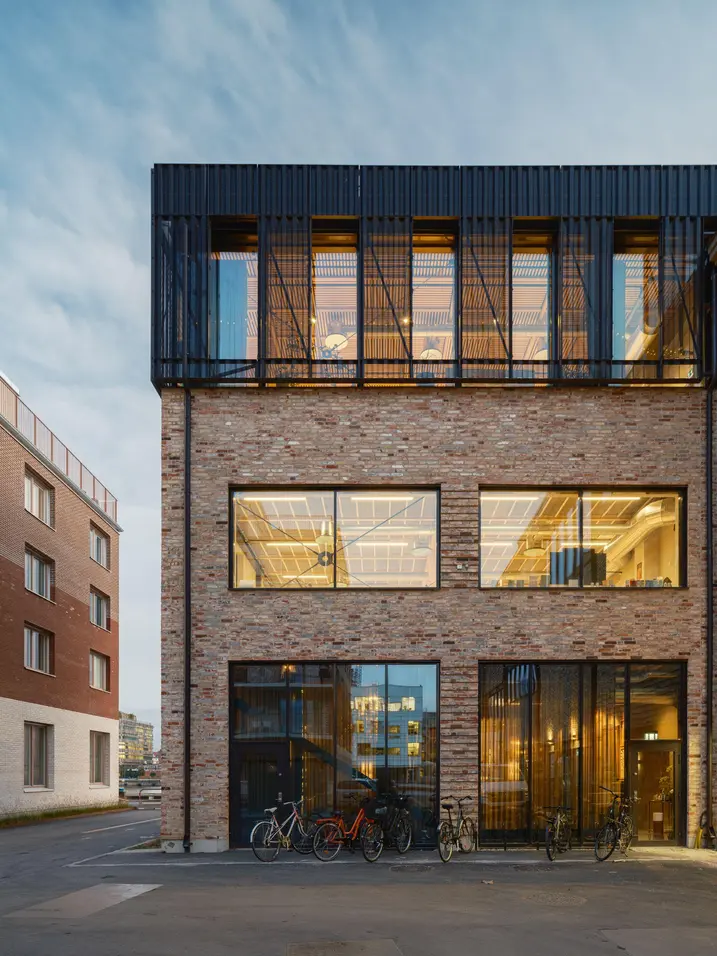
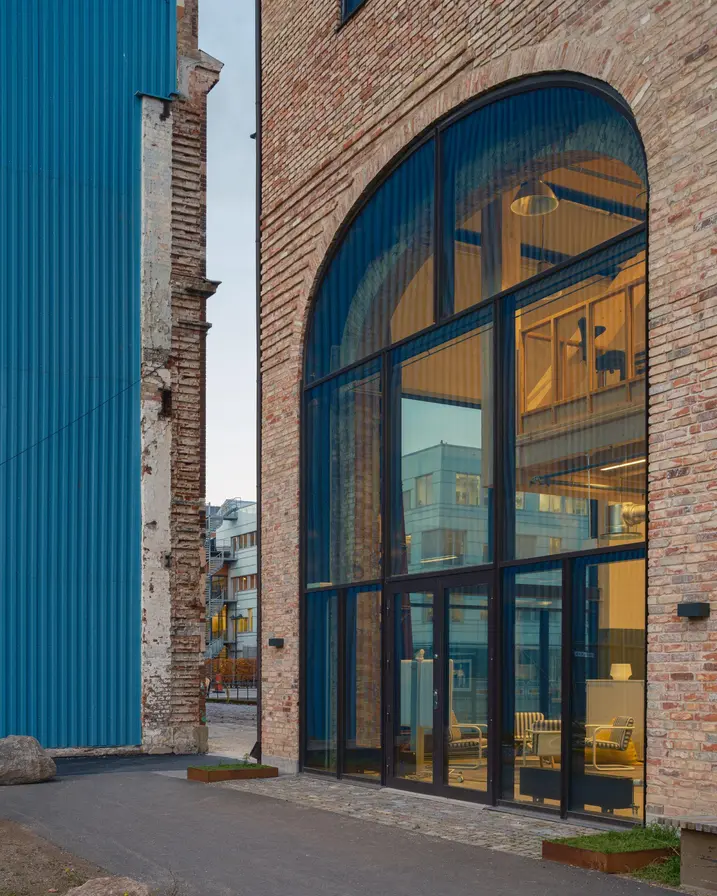
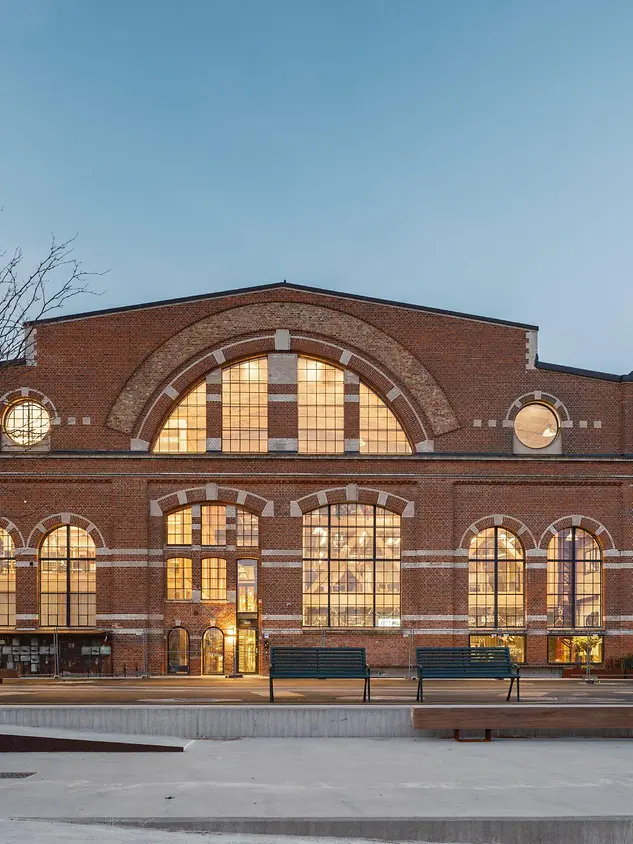
Magasinet offered ideal conditions for conversion into an office space. The challenge was to create a modern working environment within the largely unchanged industrial architecture.Architectural practice Wingårdh was commissioned to complete the revitalisation and now uses office space in Magasinet itself. Schüco door systems (ADS 75.SI), windows (AWS 75.SI) and large-scale façade systems (FWS 50) were installed, giving the building an energy-efficient envelope. “The interior has been left as unchanged as possible. Within this raw environment, we have created a fantastic indoor climate that is warm in winter and cool in summer. Although it is rugged and unrefined, all employees enjoy coming here. Being in a place that is imperfect helps to release a great deal of energy,” comment the architects in summary.

Gjuteriet, designed by Kjellander Sjöberg

Gjuteriet (the foundry)

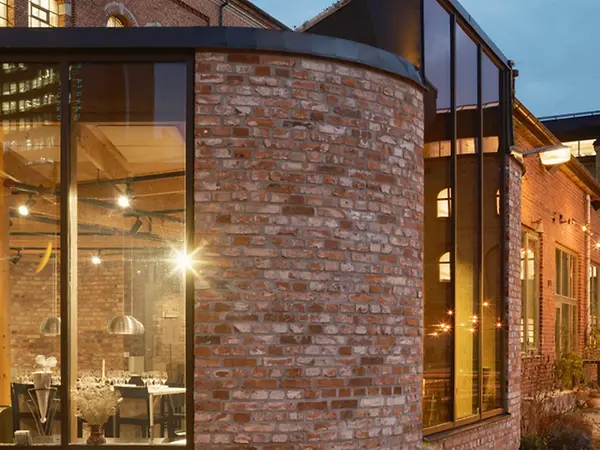
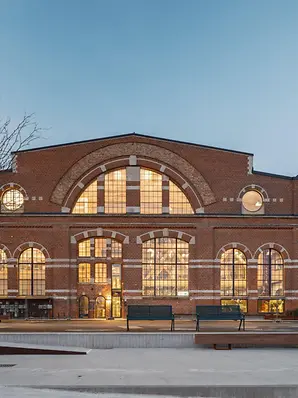
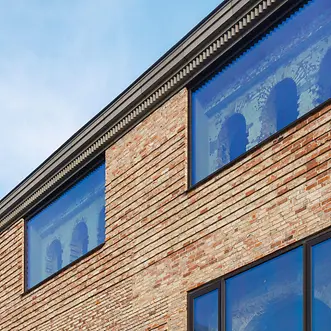
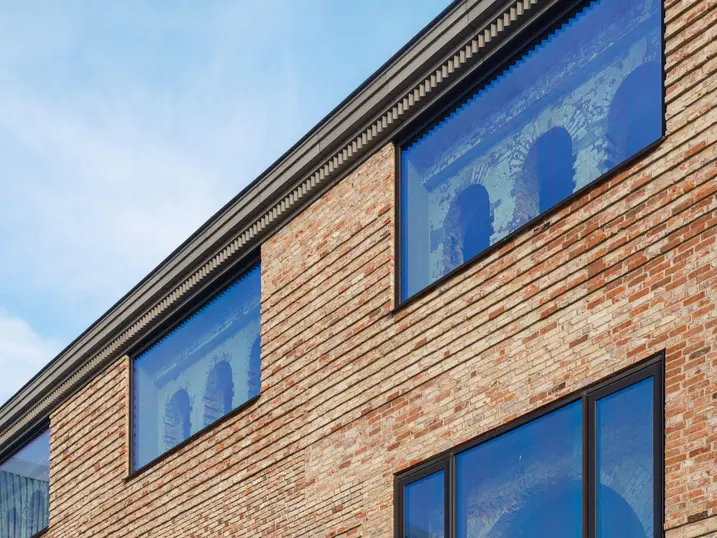
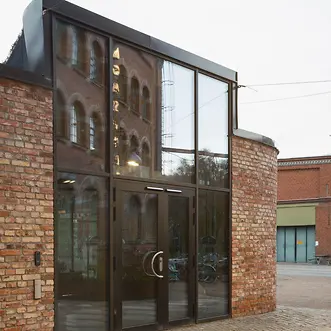
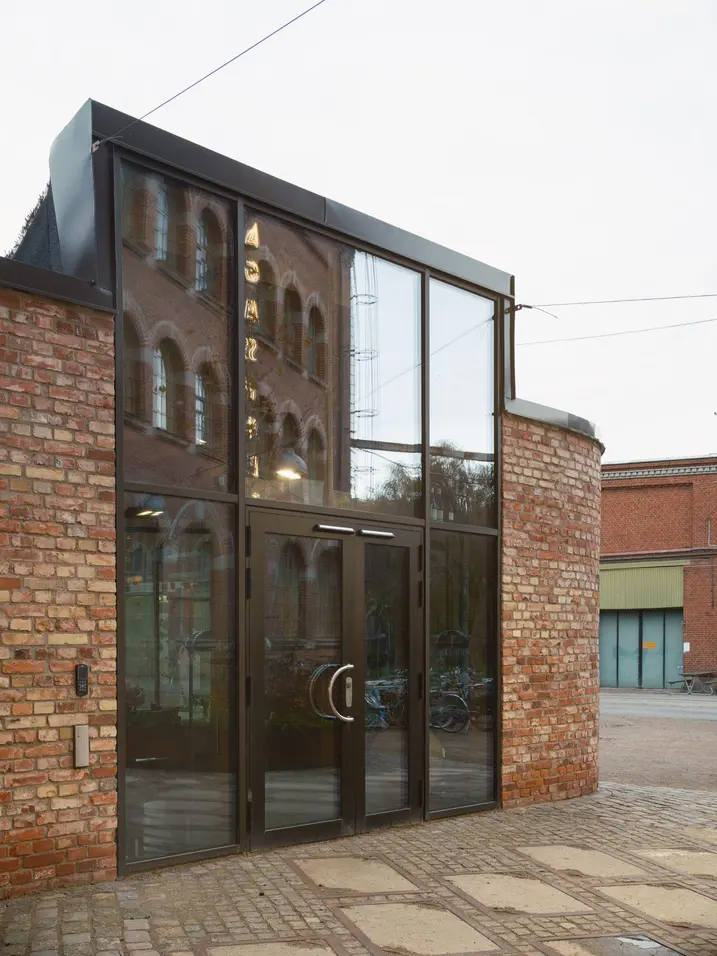
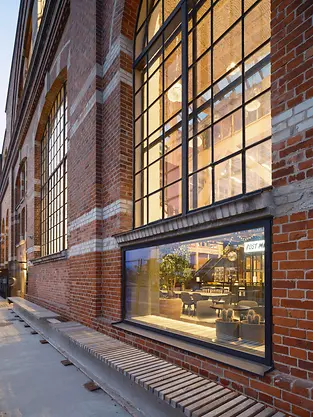
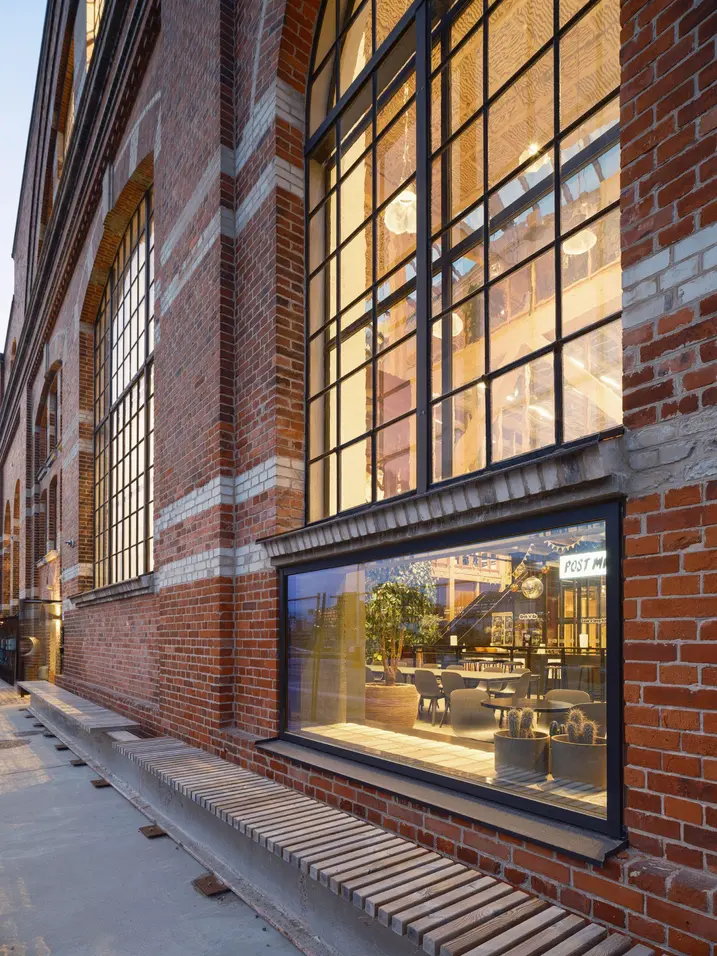
Before the refurbishment, Gjuteriet was in a ruinous state. The complex transformation began in 2021, when the roof was dismantled in stages to stabilise the structure. It was possible to preserve and insulate the cast iron windows in the gables, while the long sides of the building were given new walls built from reused original bricks. As with an archaeological site, parts of the old external wall were retained behind the new one and are visible through the modern Schüco windows. “From an architectural perspective, we built a new building within the old one,” explains Matz Thuresson from Peab. The glazed, open-plan storeys have a lightweight, floating appearance, while old workshop lamps have been reused as a nod to the past. “An exciting dialogue between old and new emerges and this creates character,” says Johan Pitura, architect at Kjellander Sjöberg.

Snickeriet is the oldest surviving building in the shipyard

Snickeriet (the joinery)

Before the refurbishment, Gjuteriet was in a ruinous state. The complex transformation began in 2021, when the roof was dismantled in stages to stabilise the structure. It was possible to preserve and insulate the cast iron windows in the gables, while the long sides of the building were given new walls built from reused original bricks. As with an archaeological site, parts of the old external wall were retained behind the new one and are visible through the modern Schüco windows. “From an architectural perspective, we built a new building within the old one,” explains Matz Thuresson from Peab. The glazed, open-plan storeys have a lightweight, floating appearance, while old workshop lamps have been reused as a nod to the past. “An exciting dialogue between old and new emerges and this creates character,” says Johan Pitura, architect at Kjellander Sjöberg.
Product information

FWS 50

Schüco Façade System FWS 50

High-performance mullion/transom façade with 50 mm face width – the basis for a variety of solutions

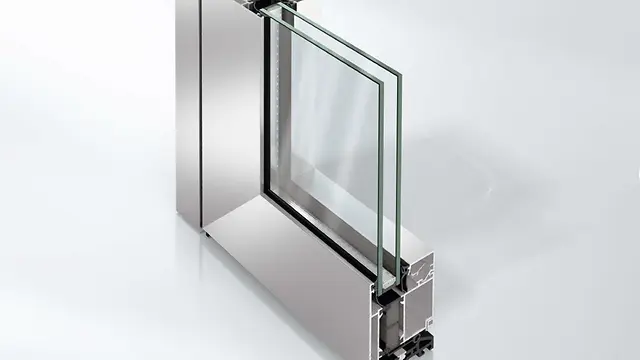
The Schüco FWS 50 façade system is an impressive basic system for façades and skylight areas with a high level of flexibility and attractive design options, including optimised fabrication and installation processes. Thanks to a broad system range, solutions for the most varied requirements and applications can be implemented.

Learn more

ADS 75 HD.HI

Schüco Door System ADS 75 HD.HI

Multifunctional solution for large-format commercial doors with high continuous loads

The Schüco ADS 75 HD.HI (Heavy Duty High Insulated) aluminium door system combines high durability with multiple functions and attractive design options – perfect for challenging commercial buildings with high security requirements.

Learn more

AWS 75.SI+

Schüco Window System AWS 75.SI+

Improved thermal insulation, security and fabrication

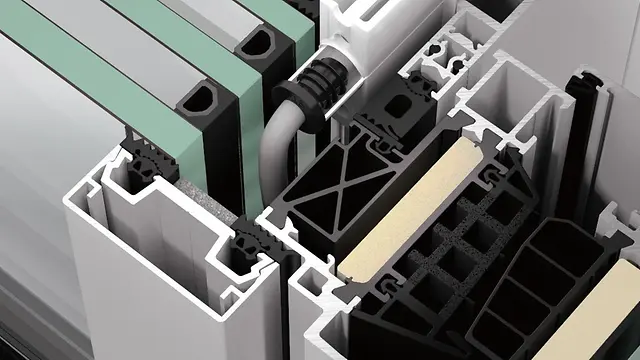
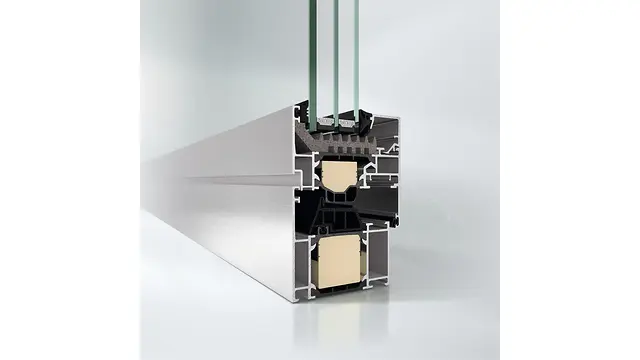
The optimised Schüco AWS 75.SI+ (Super Insulation) standard window system for the 75 mm basic depth is part of the Schüco AWS system platform and forms the basis for a range of applications in energy-efficient building envelopes. Depending on the architectural requirements, the highly thermally insulated aluminium system can be used as a punched opening, ribbon window, façade insert unit or in combination with Schüco door systems.

Learn more