Belle Harbour

From art project to living space

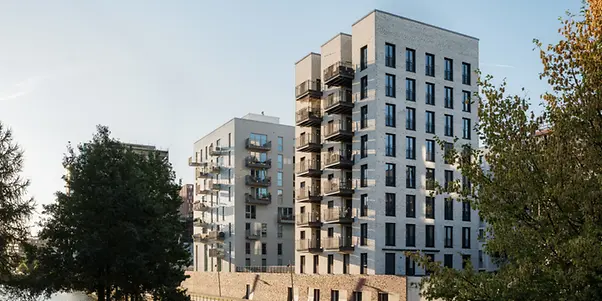
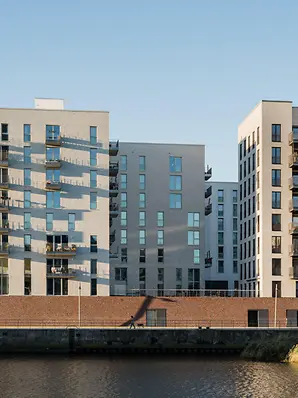
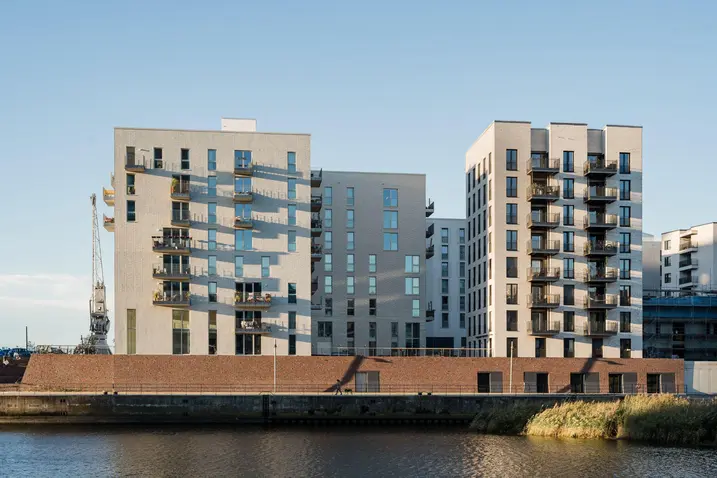
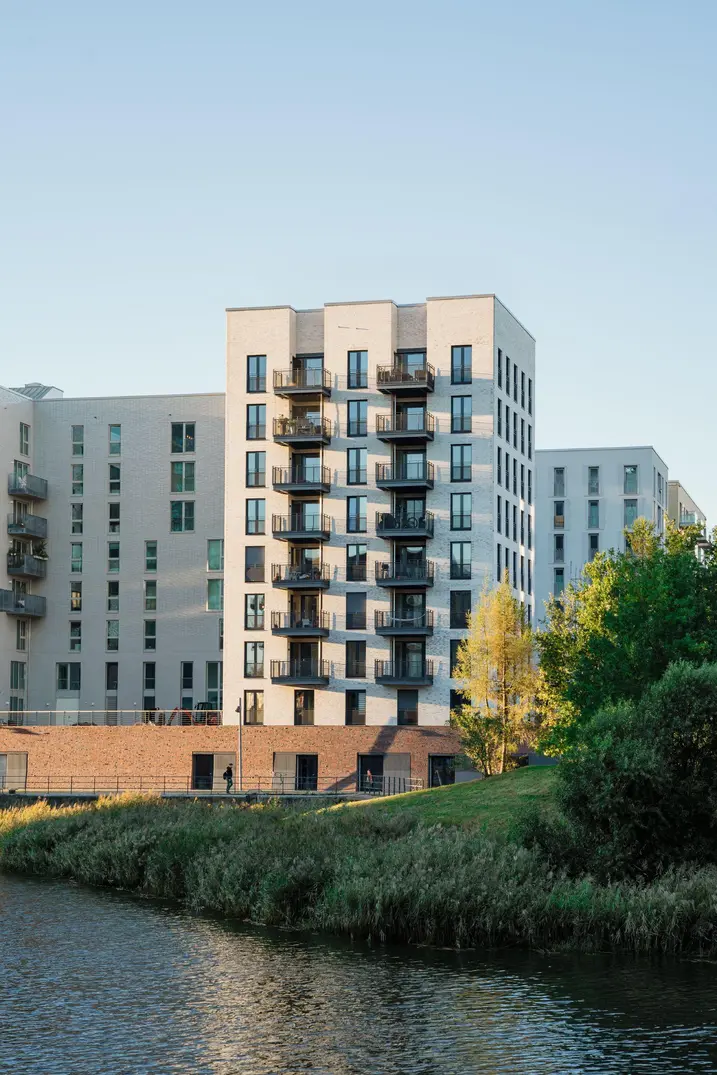
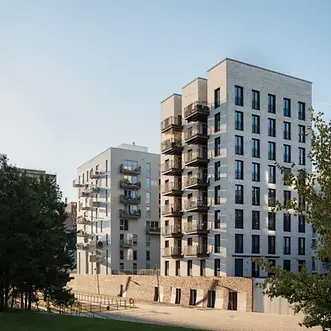
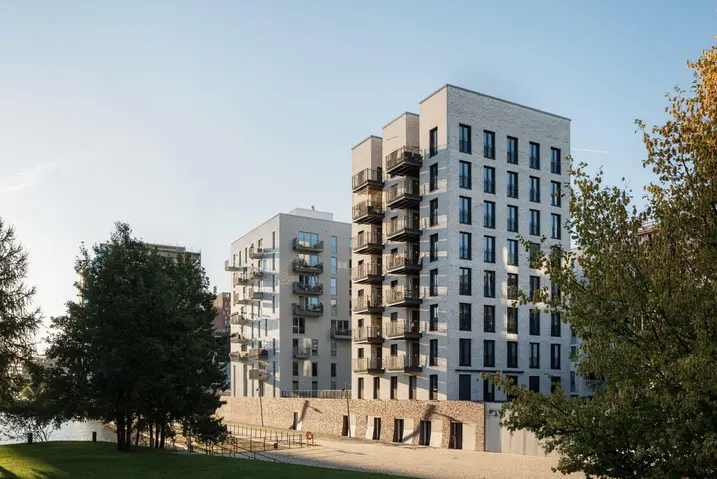
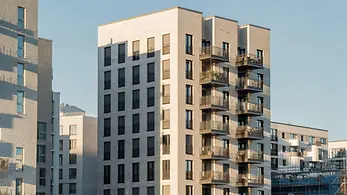
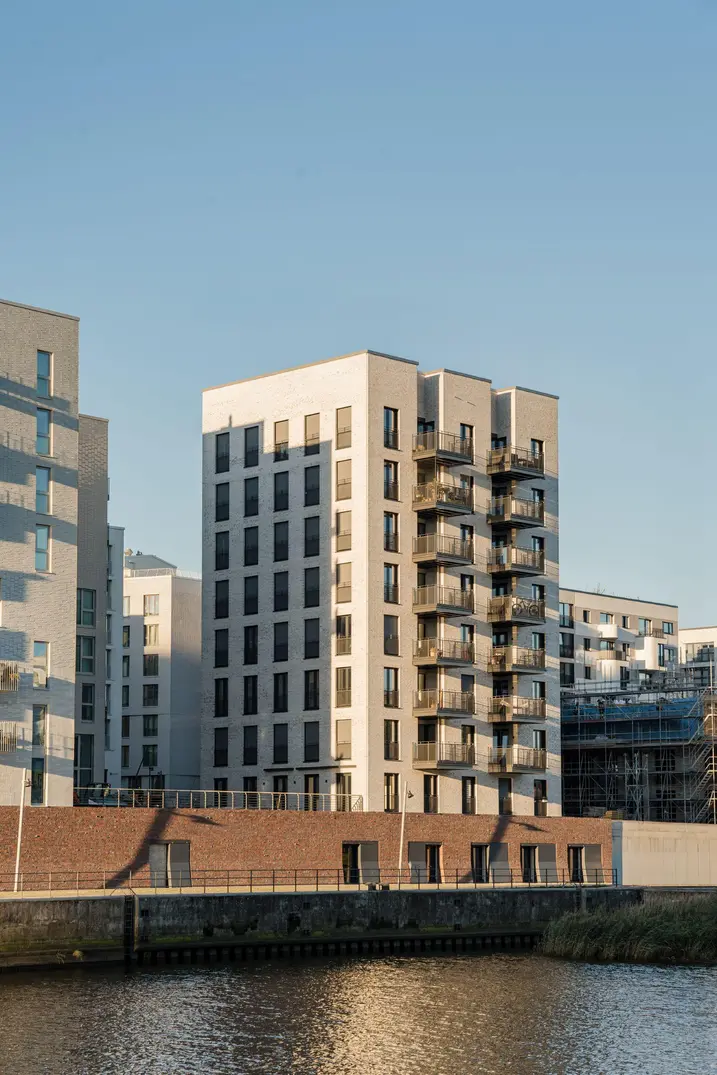
The “Belle Harbour” residential project located in the heart of Hamburg's HafenCity combines architecture, sustainability and social responsibility in an exemplary fashion. The slimline residential tower with its clearly structured façade, vertical cut-outs for balconies and striking crown with a roof garden gives the cityscape an impressive accent and at the same time makes a statement about sustainable construction and inclusive living.

Podrobnosti o referencii

Typ budovy Apartment buildings
Oblasti produktov Okná Dvere Vetranie
Systémy Schüco AD UP 90 AWS 90.SI+ AWS 120 CC.SI AWS 70.HI VentoAir VentoFrame
Vlastnosti Novostavba Cirkularita Bezbariérovosť
Umiestnenie Hamburg, Hamburg
Dokončenie 2024
Architekti Winking Froh Architekten GmbH
Špecializovaná firma Geerds Metallbau GmbH
Fotokredit Architekturfotografie Bach

Inclusive accommodation

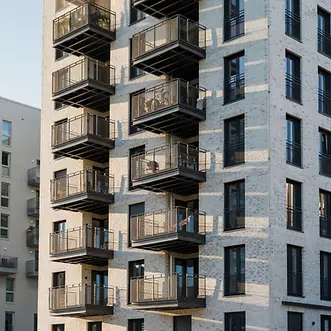
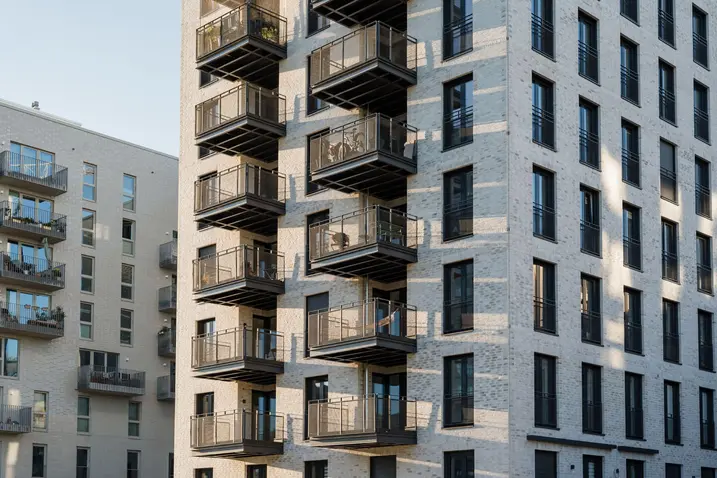
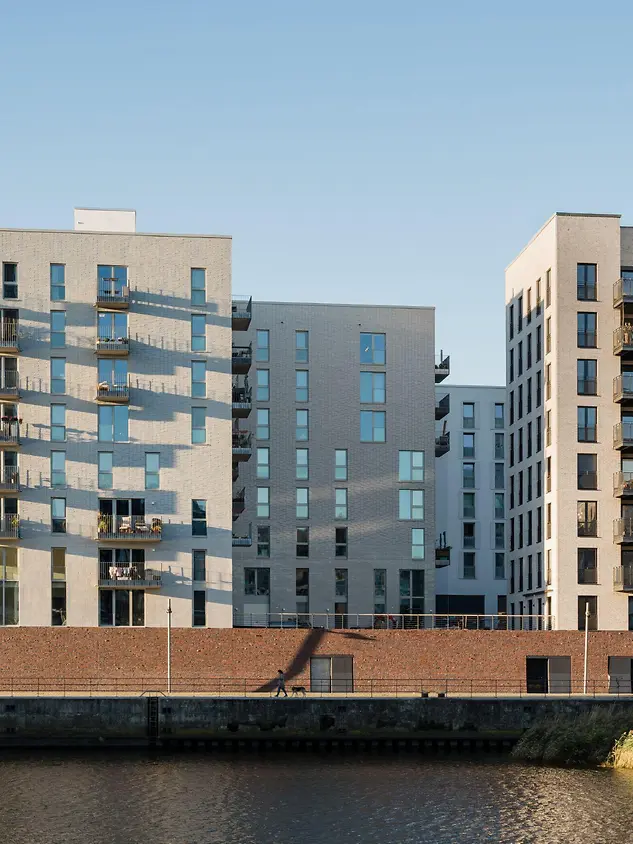
Developed by Berlin-based architectural practice Winking Froh Architekten, Belle Harbour comprises seventeen apartments, communal areas and a roof terrace, which are designed as areas for families and partially-sighted people to share together. The building structure of the residential tower is characterised by sculptured cut-outs that open up to generous balconies for the residents and, at the same time, emphasise the vertical effect of the building. The heart of the building is the enormous roof space with a garden and communal terrace. This is where the concept of inclusive, community-based living comes together: a place where people with and without visual impairments live together, supported by barrier-free planning, special orientation aids and complementary mobility and learning services.

Completely circular

Forming the foundation for the Belle Harbour project are the HafenCity Hamburg environmental label requirements, which span five categories and consider the recyclability and environmental impact of materials. “We take the requirements of HafenCity very seriously,” emphasises Dr Stephanie Gamm, Founder and Project Manager of Belle Harbour. “We consider every material in terms of its life cycle – from manufacture to the possibility of dismantling. Our aim is to avoid grey energy, reduce CO emissions and choose construction materials that can be separated and reused later on. This creates a house that is not only efficient in its operation but could become part of the material cycle itself one day.”

Panoramabild eines modernen Beton Hauses mir großen Schüco Fenstern

Window profiles with a special story

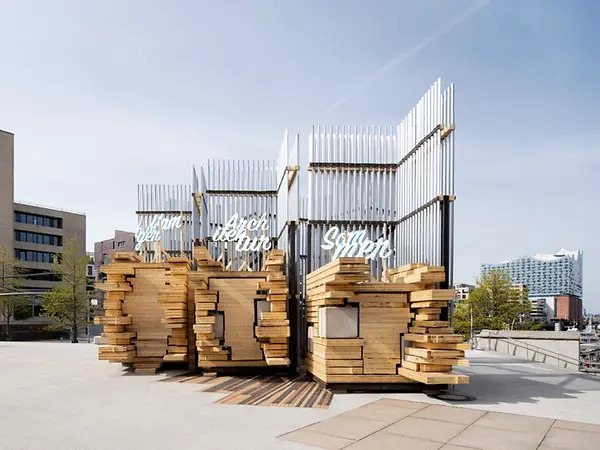
The window profiles are an even more impressive feature of Belle Harbour's evolutionary story. About 500 aluminium profiles, around 160 of which are windows, had already lived through their first service life. However, they were not initially construction units, instead forming part of the art installation at Hamburg's Summer of Architecture 2023. The artist collective known as umschichten had erected a pavilion made of aluminium and wood on the Magellan Terraces in the immediate vicinity of the Elbphilharmonie concert hall. Despite normally being used for windows, the profiles were incorporated into an expansive sculpture that served as a stage, meeting spot and place for reflection. “Our projects that address the circular economy are characterised by their careful use of materials but always under the premise that they can be dismantled, sorted and reused elsewhere. Ultimately, this encourages an appreciation for our resources," says artist Lukasz Lendzinski, referring to the message behind the installation.

Buildings are raw material stores of the future

At the end of the architectural festival, the aluminium profiles were dismantled and sorted, then stored, checked and re-coated. Eventually, they were filtered back into the production process and turned into window frames by Geerds Metallbau. They then found their final destination in the Belle Harbour project. “The profiles were processed in the same way as new material,” explains Karl Geerds. “We noticed no differences in either production or assembly.” The quality inspection that was coordinated by Schüco as well as the coating manufacturer's report confirmed that the recovered profiles are fully usable. “This was a real pilot project for us,” added Geerds. “It shows that recycling is possible in the aluminium industry without any technical issues – and without a loss in quality too.”

100_208634_AD_Up_75_m_Rauchschutz

Pilot project for a creative circular economy

Schüco considers this project an example of the future of construction: “Buildings are raw material stores. Everything that we have installed here will still be of value at the end of the building's lifetime,” highlights Jochen Strellmann, who is Head of Project Business in Hamburg. Thanks to state-of-the-art separating and sorting methods, aluminium windows can be almost completely recycled, with as much as 98% of materials fed back into the material cycle. “This temporary use of profiles supports the idea that buildings are raw material stores – and that this raw material is also a recyclable material, which can be reused at the end of its service life," summarises Strellmann.

A focus on appreciating resources

Belle Harbour is setting new standards in a number of ways, including architecturally, socially and economically. The journey of these aluminium profiles – from the art installation through to their dismantling and reuse – is a prime example of a new approach to resources. True to the Hamburg Summer of Architecture motto of ‘Restructure’ for materials, architecture and cities, this temporary art project was transformed into a permanent building block for sustainable living.

Informácie o produkte

AD UP 90

Schüco Dverový systém AD UP 90

Na budúcnosť orientovaná dverná séria s výraznými úžitkovými vlastnosťami pre obytné budovy a objekty

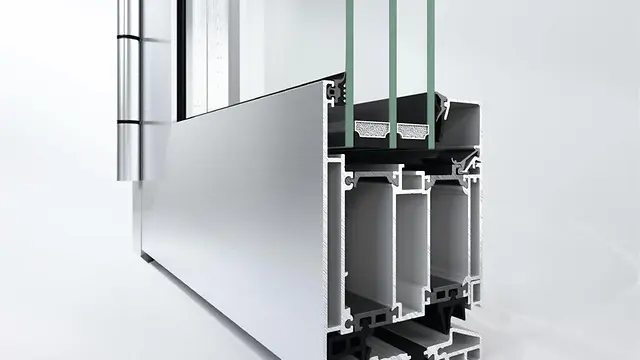
Dvere Schüco ADS 90 SimplySmart predstavujú úžitkovo výkonný a trvácny dverný systém, ktorý spĺňa najvyššie energetické nároky v kombinácii s ukážkovými konštrukčnými detailami. Keďže je konštrukcia profilu s výnimkou zmeny izolačného mostíka identická s dvernou sériou Schüco Tür ADS SimplySmart stavebnej hĺbky 75, možno na konštrukciu 5-komorového systému použiť rovnaké hliníkové profily (vnútri, vonku a v stredovej komore). Vďaka tejto konštrukcii presahujúcej stavebné hĺbky sa možnosť používať rovnaké súčiastky tak pre konštrukciu profilu ako aj pri kovaní a komponentoch príslušenstva, čo sa doposiaľ nikdy nepodarilo.

Zistite viac

AWS 90.SI+

Schüco Okenný systém AWS 90.SI+

Hliníkové okná Schüco AWS 90.SI+ spájajú výhody hliníka ako materiálu a  na budúcnosť orientovanú tepelno-izolačnú schopnosť, pričom vytvárajú trvalo zaujímavú architektúru.

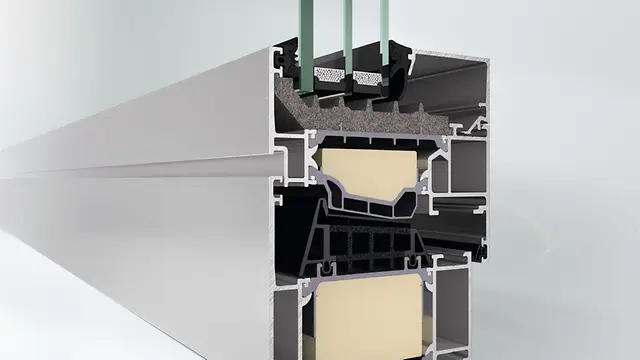
Pritom okná Schüco AWS 90.SI+ nespĺňajú len náročné požiadavky najvyššej tepelno-izolačnej schopnosti, ale aj najvyššie architektonické požiadavky na dizajn a možnosti stvárnenia pri len 90 mm stavebnej hĺbke. V  kombinácii so skrytým kovaním Schüco AvanTec SimplySmart možno vyhotoviť priehľadné formáty s hmotnosťou do 160 kg a v kombinácii so Schüco TipTronic možno v budovách odkryť ďalší energetický potenciál.

Zistite viac

AWS 120 CC.SI

Schüco Okenný systém AWS 120 CC.SI

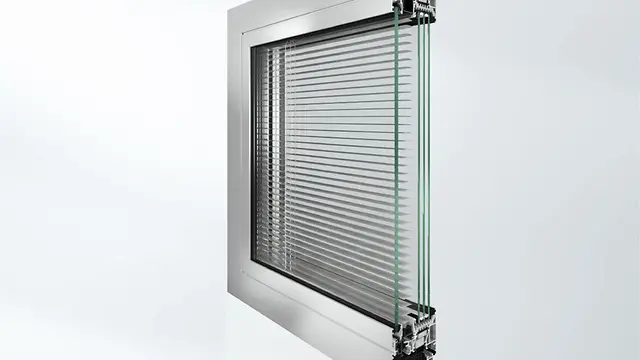
Zdvojené okná Schüco AWS 120 CC.SI spolu s  integrovaným slnečným tienením Schüco CCB tvoria celistvý systém pre energeticky úsporné riešenia budovy. Zdvojený okenný systém pritom ponúka tepelnú izoláciu s certifikátom pre pasívny dom a so slnečným tienením nezávislým od počasia predstavuje aj perfektné riešenie ochrany pred letnými horúčavami. Skrytým začlenením medziokennej žalúzie do profilu získavajú zdvojené okná AWS 120 CC.SI aj vynikajúci vzhľad. Zdvojené okná najmenšou viditeľnou časťou balíka lamiel pri vytiahnutej žalúzii a bez svetelných štrbín po boku pri stiahnutej žalúzii prezentujú tak zvnútra ako aj zvonka ideálny vzhľad.

Zistite viac

VentoAir

Schüco Vetrací systém VentoAir

Samoregulovacie mechanické vetráky do okenného falcu - neviditeľná ochrana pred vlhkosťou v obytných budovách

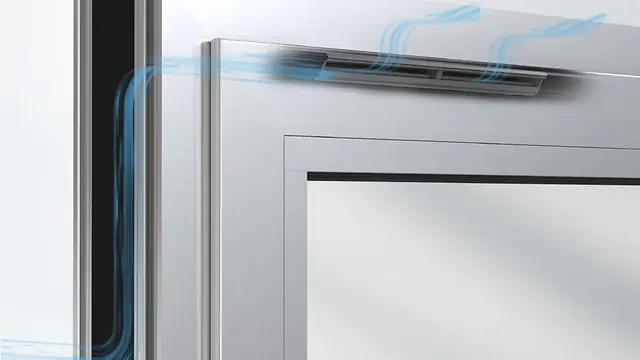
Schüco VentoAir v obytných budovách riadi nezávisle od obsluhy nutné vetranie vrátane odvlhčenia - možno tak eliminovať zdravie ohrozujúce, nákladné škody spôsobené plesňami. Princíp spočíva vo vyrovnávaní tlaku vzduchu medzi exteriérom a interiérom. Pritom vetrák pracuje čisto mechanicky: Pri silnejšej rýchlosti vetra vetracia klapka automaticky dereguluje prúd do vnútra privádzaného vzduchu, a tým bráni vzniku nepríjemného prievanu.

Zistite viac

VentoFrame

Schüco Vetrací systém VentoFrame

Do okenného rámu integrovaný samoregulovací okenný vetrák - zdravá klíma v miestnostiach vrátane odvedenia vlhkosti a eliminácie plesní

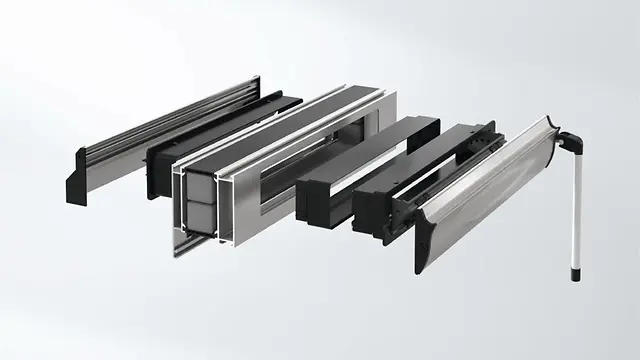
V mnohých budovách, najmä v bytovej výstavbe, výmena vzduchu cez infiltráciu - teda cez netesnosti budovy ako napr. škáry - nepostačuje na užívateľsky nezávislé zásobovanie budovy a jej osadenstva dostatkom čerstvého vzduchu. V týchto prípadoch musí byť podľa DIN 1946-6 vytvorená koncepcia vetrania, aby sa trvalo zabezpečila dobrá kvalita vzduchu v miestnostiach. Tu Schüco ponúka so Schüco VentoFrame odskúšaný systém pre samoregulovacie okenné vetráky, ktorý sa takmer neviditeľne inštaluje do rámu okna - koncipovaný pre najužšie pohľadové šírky.

Zistite viac