76 Southbank

Brutalist icon skilfully revitalised

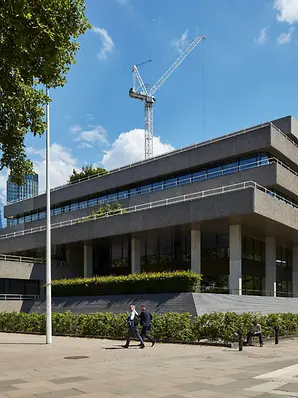
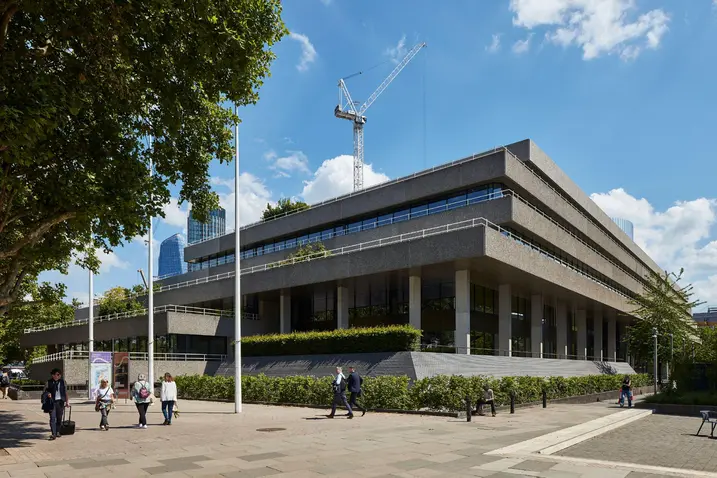
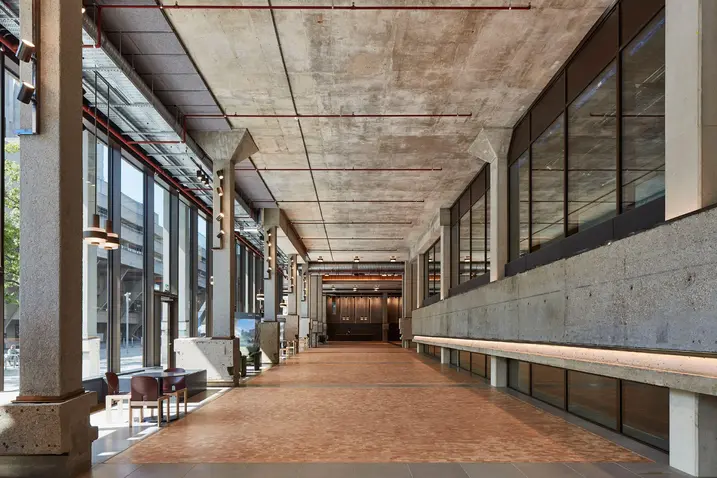
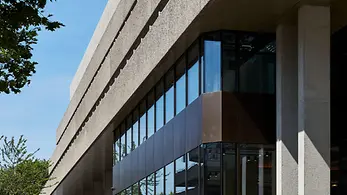
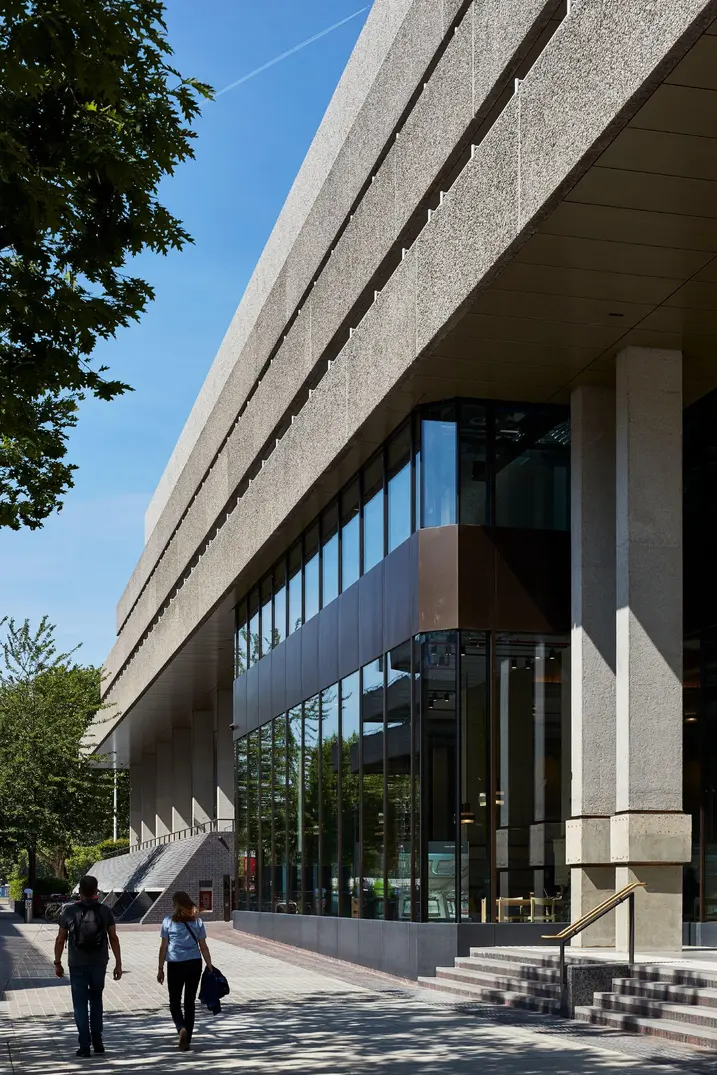
The former IBM headquarters building on London's South Bank is a prominent example of Brutalist architecture. In recent years, the listed complex has been sensitively extended, updated for energy efficiency and adapted to meet the requirements of a modern office environment – all while taking sustainability into account and with respect for its architectural significance.
Informacje o obiekcie referencyjnym

Rodzaj budynku Biuro i administracja
Rodzaje produktów Okna Drzwi Fasady Ochrona przeciwsłoneczna Automatyka budynku
Systemy Schüco ADS 90.SI FWS 50.SI AWS 70.HI FWS 60 FWS 50 ADS 80 FR 30 AD UP 75
Cechy Modernizacja Dekarbonizacja Ochrona przeciwpożarowa
Lokalizacja London, United Kingdom
Zakończenie 2023
Architekci AHMM - Allford Hall Monaghan Morris (AHMM)
Firma specjalistyczna Dane Architectural Systems Holdings
Zdjęcia © Rob Parrish

Iconic ensemble under scrutiny

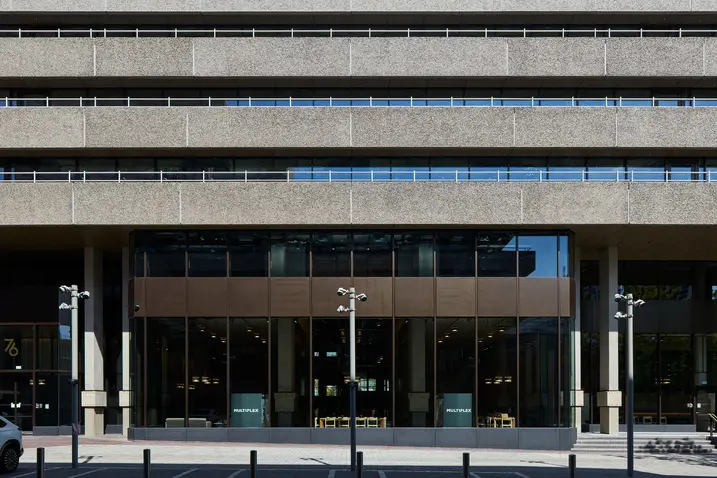
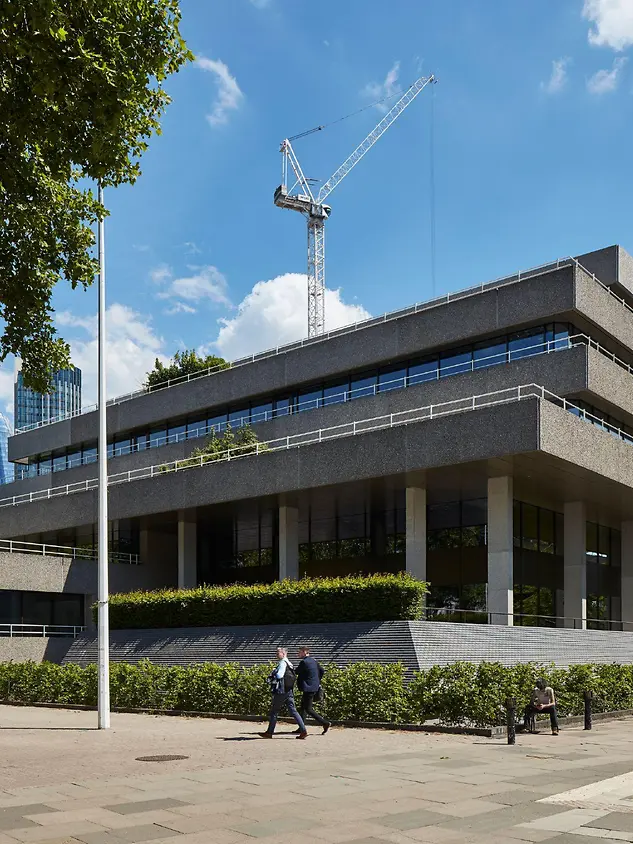
Among the most significant cultural establishments on the South Bank area on the southern banks of the River Thames is the National Theatre, constructed in 1976 in line with architect Denys Lasdun's design. In 1983, Lasdun completed his vision on the neighbouring with the construction of the IBM Marketing Centre. The two buildings impress as a late Brutalist ensemble with balanced symmetry, horizontal lines, rough exposed concrete surfaces and imposing concrete structures. To prevent its partial demolition after IBM moved out, the City of London granted the former IBM building listed status in 2020, as it had the National Theatre in 1994. The architectural practice AHMM revised its conversion concept and promised the retention of 80% of the original fabric of the building.

Further development as a strategic aim

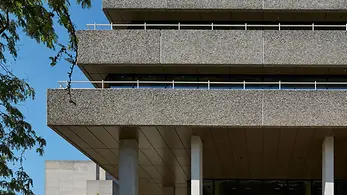
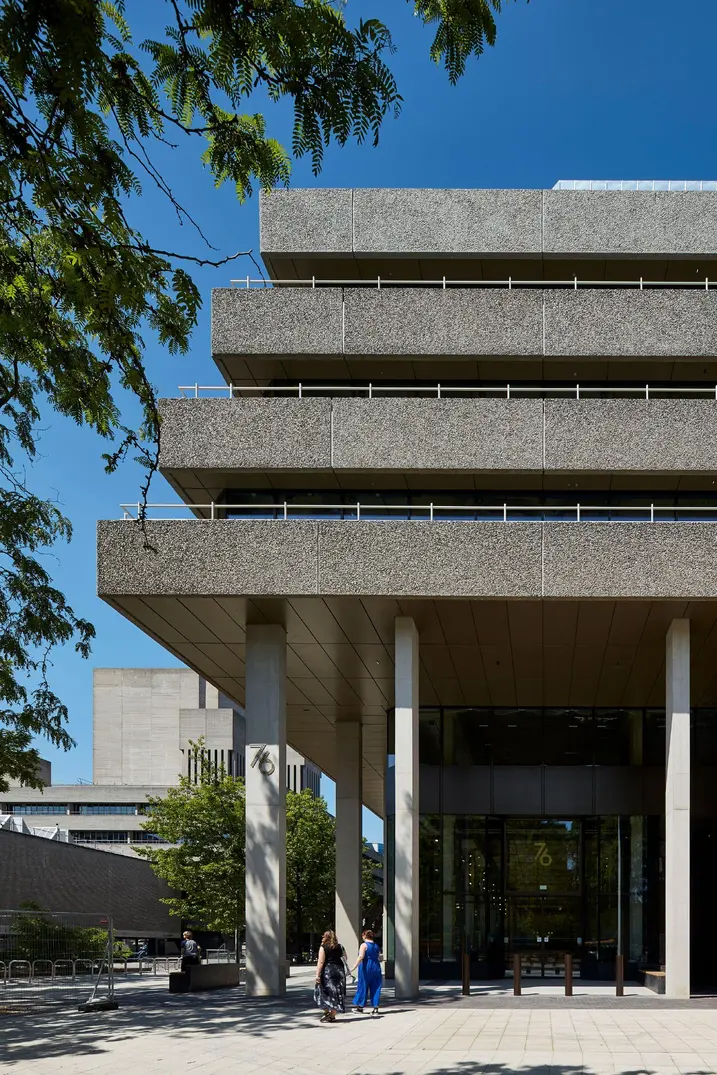
The asymmetric building structure of the old complex featured offset storeys to the north and south, which created wide terraces. Brown bricks were applied beneath podium level, while in the upper storeys the continuous ribbon windows and exposed aggregate concrete spandrels matched the horizontal lines of the adjacent theatre. Plant towers with a pure concrete appearance formed sculptural elements on the roof. For the strategic development of the project by Stanhope PLC, the project now known as “76 Southbank” provided all the key aspects for a site remodelling geared towards sustainability: retention of the existing structure and value enhancement through renovation, as well as revitalisation and reinvention of a building steeped in history in accordance with listed building requirements, with major benefits for urban renewal.

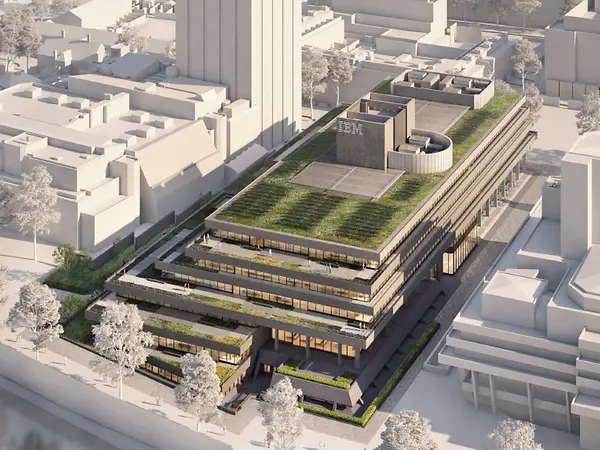
The revised renovation plan envisages an additional storey. ©Secchi Smith

Analysis of the existing building and new plans

The new concept from AHMM envisaged a sensitive modernisation. Following a low-carbon core renovation and energy efficiency upgrade, the floor space was to be increased by 11,000 m2 by adding a new storey on top and by extending out to the south and east, creating new highly efficient, flexibly designed office spaces. To meet the exacting sustainability targets, the embedded carbon emissions in the existing building and the amount of waste generated during gutting needed to be reduced as much as possible. To do this, all of the construction materials from the existing structure and for the newbuild were subject to a comprehensive assessment with regard to their ecological footprint, with some extensive environmental compatibility tests being carried out if there were no EPDs available.

Informacje o produkcie

FWS 50.SI

System fasad Schüco FWS 50.SI

Fasada słupowo-ryglowa z certyfikatem domu pasywnego o szerokiej gamie różnorodnych zastosowań

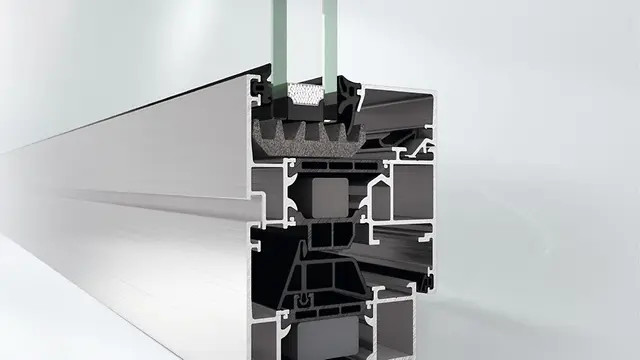
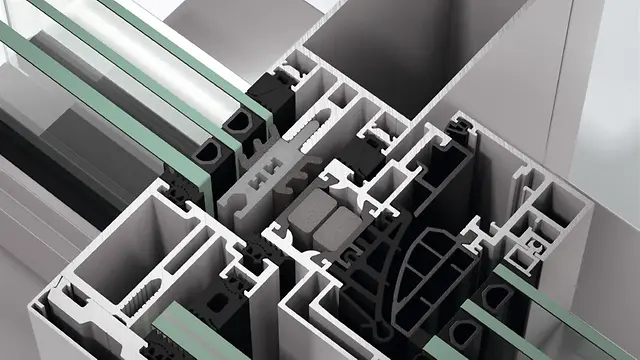
System fasadowy Schüco FWS 50. SI (Super Insulated) bazujący na nowatorskiej technologii izolatorów, umożliwia realizację szerokiej gamy fasad i świetlików dachowych o najwyższej izolacyjności cieplnej na poziomie pasywnym, przy zapewnieniu zoptymalizowanych procesów produkcji i montażu.

Dowiedz się więcej

AWS 70.HI

System okienny Schüco AWS 70.HI

System okienny o wysokiej izolacyjności cieplnej oferujący atrakcyjne rozwiązania

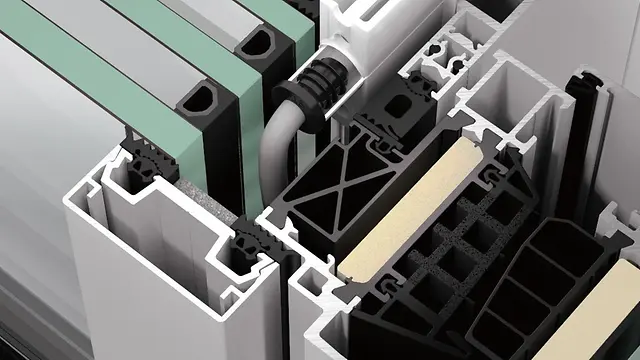
System Schüco AWS 70.HI (High Insulated), będący częścią platformy systemowej Schüco AWS, oferuje atrakcyjne warianty rozwiązań okiennych o głębokości zabudowy 70 mm i doskonałej izolacyjności cieplnej.

Dowiedz się więcej

FWS 60

System fasad Schüco FWS 60

Nowa fasada słupowo-ryglowa Schüco FWS 60 łączy maksymalnie uproszczoną obróbkę z najlepszą efektywnością energetyczną na poziomie budownictwa pasywnego.

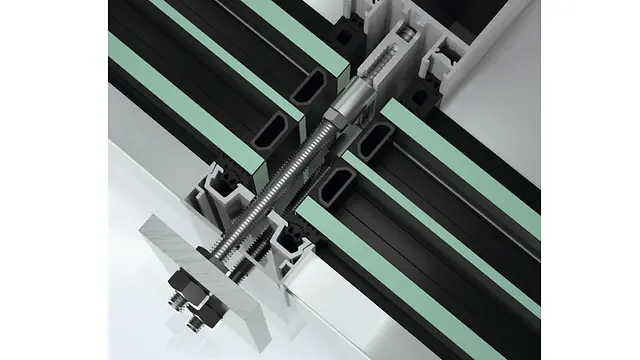
Fasada Schüco FWS 60 wyznacza nowe standardy w zakresie obróbki i efektywności energetycznej. Dobrze sprawdzone systemy zostały udoskonalone przede wszystkim pod kątem wygodniejszej obróbki w warsztacie i na budowie. Nowe, prefabrykowane komponenty systemowe zapewniają np. znacznie szybsze, a tym samym bardziej wydajne wykonawstwo.

Dowiedz się więcej

FWS 50

System fasad Schüco FWS 50

Nowa fasada słupowo-ryglowa Schüco FWS 50 łączy prostotę obróbki z najlepszą efektywnością energetyczną na poziomie budownictwa pasywnego.

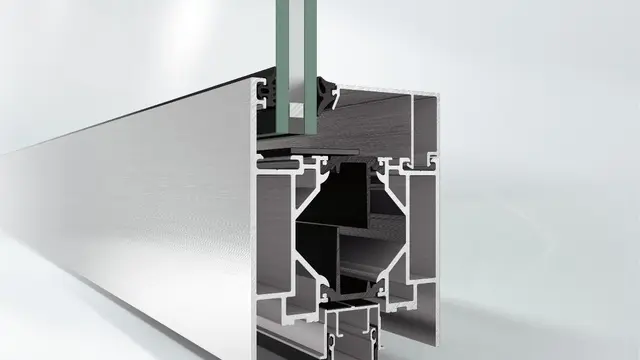
Fasada Schüco FWS 50 wyznacza nowe standardy w zakresie obróbki i efektywności energetycznej. Dobrze sprawdzone systemy zostały udoskonalone przede wszystkim pod kątem wygodniejszej obróbki w warsztacie i na budowie. Nowe, prefabrykowane komponenty systemowe zapewniają np. znacznie szybsze, a tym samym bardziej wydajne wykonawstwo.

Dowiedz się więcej

ADS 80 FR 30

System drzwiowy Schüco ADS 80 FR 30

Przeciwpożarowe drzwi i ściany o szerokim spektrum zastosowań

Sprawdzony system drzwiowy Schüco ADS 80 FR 30 (Fire Resistant) o głębokości zabudowy 80 mm, bazujący na bardzo stabilnych 5-komorowych profilach, przekonuje wszechstronnością zastosowań, funkcjonalnością i wzornictwem.

Dowiedz się więcej

AD UP 75

System drzwiowy Schüco AD UP 75

System drzwi o uniwersalnym przeznaczeniu: od obiektów komercyjnych o dużym natężeniu ruchu po budownictwo mieszkaniowe

System drzwiowy Schüco AD UP 75 o głębokości zabudowy 75 mm, oferuje doskonałą izolacyjność cieplną w połączeniu z dużą stabilnością. Ponadto zapewnia wysoką niezawodność funkcjonalną wymaganą we wszystkich obszarach budownictwa mieszkaniowego i komercyjnego o wysokim standardzie.

Dowiedz się więcej

Carbon reduction during the renovation

Despite gutting and dismantling the basement and ground floor, it was possible to retain 80% of the concrete structure and therefore prevent carbon emissions that would have been caused by demolition. Over 200 façade units made from concrete or granite were dismantled and either reused in the project or elsewhere; as were 27,360 floor tiles, 95 tonnes of paving stones and 71 tonnes of bricks. New foundations were laid and concrete supports were installed, with ground granulated blast furnace slag sand replacing 50% of the cement. Recycled steel beams and supports weighing were installed and recycled steel was used for the cavity flooring in the offices. The Ultra Low Carbon aluminium from Schüco has saved over 100 tonnes of carbon emissions when compared to standard aluminium. The annual carbon savings are equivalent to 425,000 m² of native forest.

Façade reduces carbon emissions

The new façade played a major role in meeting sustainability targets, as it accounts for a considerable proportion of the embodied carbon in the project. Schüco supported Dane Architectural during the early analysis of the existing building by providing project-specific EPDs via SchüCal and, in doing so, enabled the precise analysis of the carbon footprint. Another focus of the collaboration was the use of recycled materials on the project. “We met the sustainability requirements with our Schüco ULC aluminium profiles,” explains Stephen Newell, National Specification Manager. “The profiles have a GWP value of less than 1.99 kg CO₂ e per kg of aluminium and are manufactured from at least 75% recycled post-consumer material.” The façade of 76 Southbank was constructed using the Schüco FWS 60.SI mullion/transom system in the version with surface-mounted cover strips. The ULC aluminium delivered by Schüco in accordance with the allotment process contributed to a saving of 100 tonnes of CO₂ in the carbon footprint.