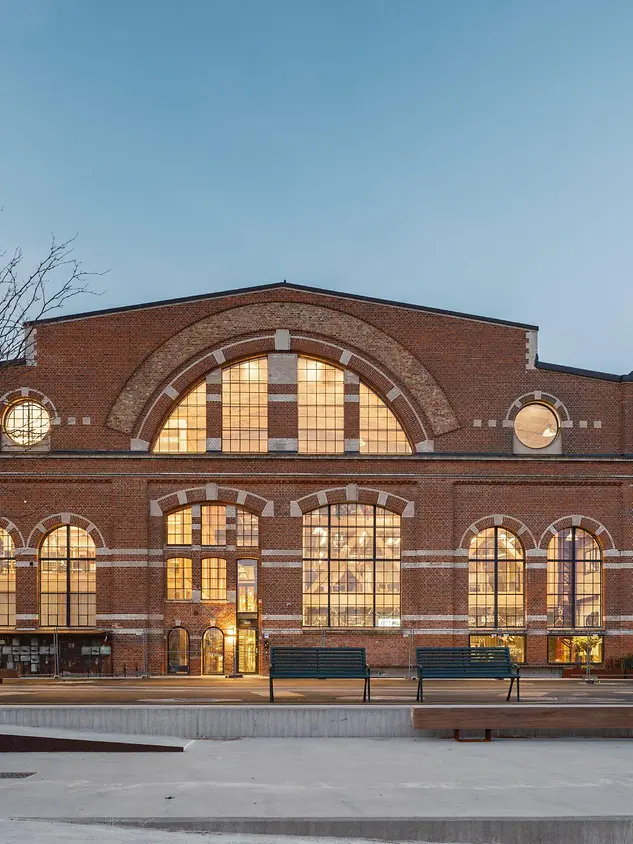
Varvstaden

The legacy of the shipyard

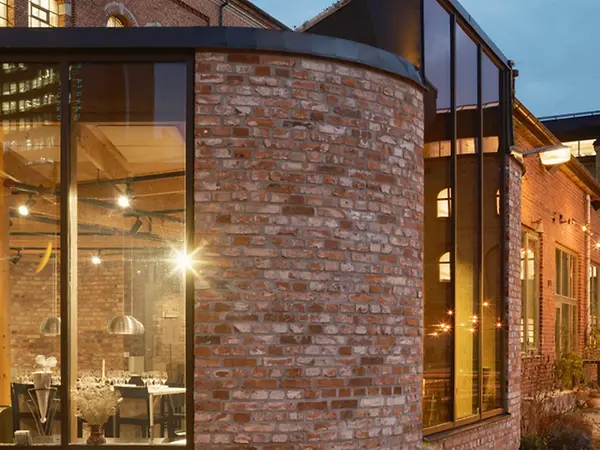
At Malmö harbour, the former industrial buildings of the Kockums shipyard have been converted into modern offices, restaurants, shops and apartments. The result is an urban district that preserves the industrial heritage of the area while simultaneously opening it up to the public.
项目案例详情

建筑类型 社区与混合用途建筑
产品 幕墙 推拉门
旭格系统 FWS 50 ADS 75 HD.HI AWS 75.SI+
特征 翻新改造
地点 Malmö, Sweden
竣工时间 2024
建筑师 Elding Oscarson,Kjellander Sjöberg,Wingårdhs arkitekter
专业公司 AGF System AB
图片版权 © Olsheden & Co AB

Revitalising an unused area

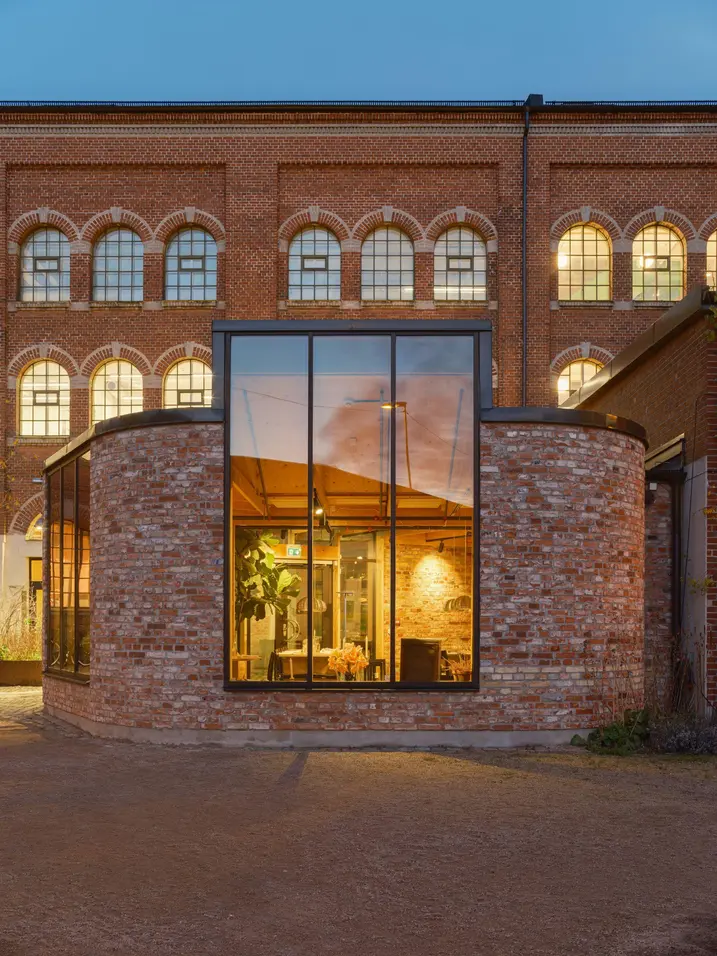
The individual preserved brick buildings were subject to heritage protection regulations, but also needed to be adapted to meet modern requirements in terms of energy efficiency and safety. “The buildings have completely different characteristics and are structurally challenging, but nevertheless possess fantastic architectural value,” says Erik Wennerholm, Infrastructure Project Manager. Varvsstaden was closed off to Malmö’s residents for a long time, now the district is connected to the city. “It is incredibly important that the buildings, together with their streets and parks, integrate into city life to create a vibrant urban district,” explains Wennerholm. Schüco façade, window and door systems were used in the refurbishment of three buildings: Magasinet, Gjuteriet and Snickeriet.

Magasinet, designed by Wingårhs Architekten

Magasinet (the warehouse)

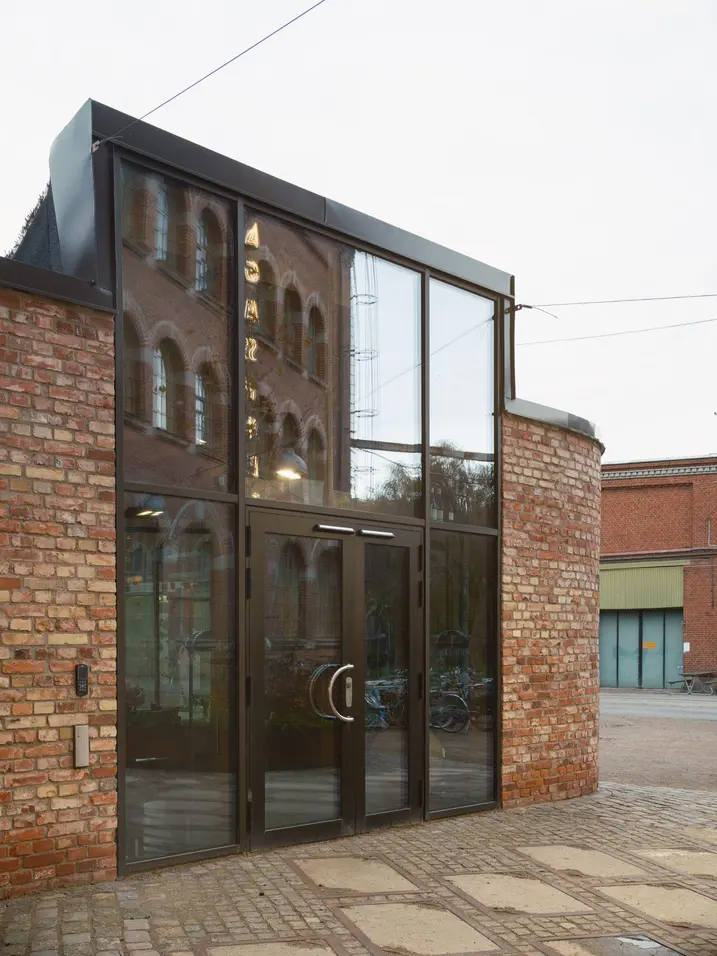
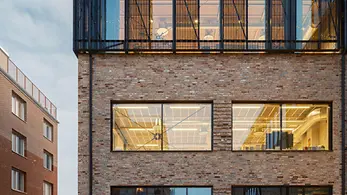
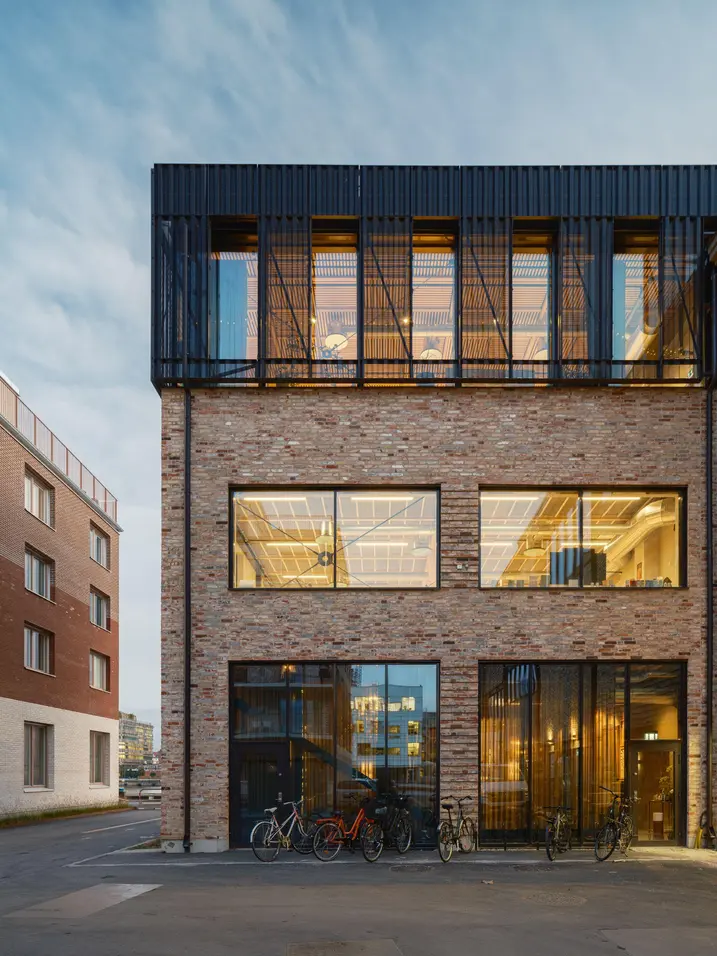
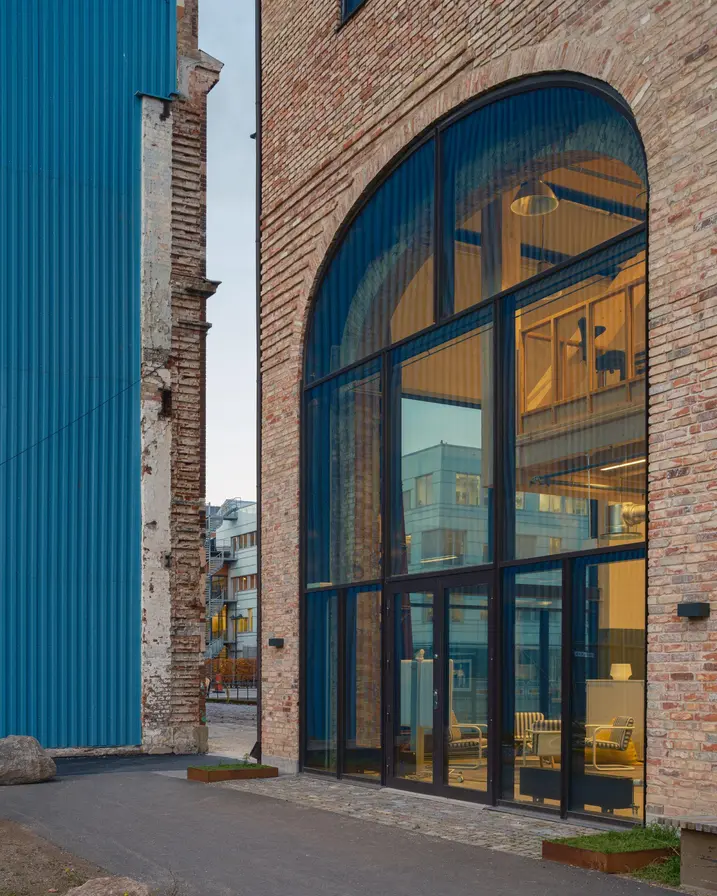
Magasinet offered ideal conditions for conversion into an office space. The challenge was to create a modern working environment within the largely unchanged industrial architecture.Architectural practice Wingårdh was commissioned to complete the revitalisation and now uses office space in Magasinet itself. Schüco door systems (ADS 75.SI), windows (AWS 75.SI) and large-scale façade systems (FWS 50) were installed, giving the building an energy-efficient envelope. “The interior has been left as unchanged as possible. Within this raw environment, we have created a fantastic indoor climate that is warm in winter and cool in summer. Although it is rugged and unrefined, all employees enjoy coming here. Being in a place that is imperfect helps to release a great deal of energy,” comment the architects in summary.

Gjuteriet, designed by Kjellander Sjöberg

Gjuteriet (the foundry)

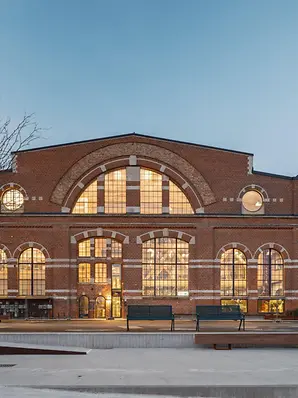
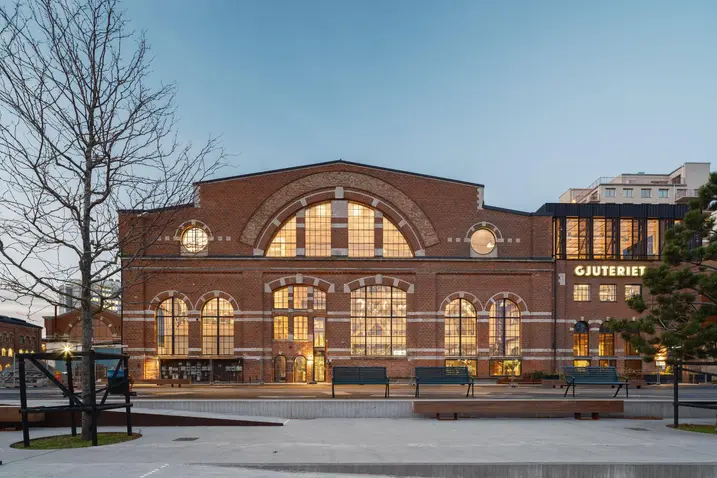
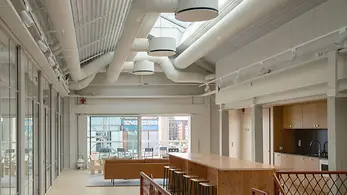
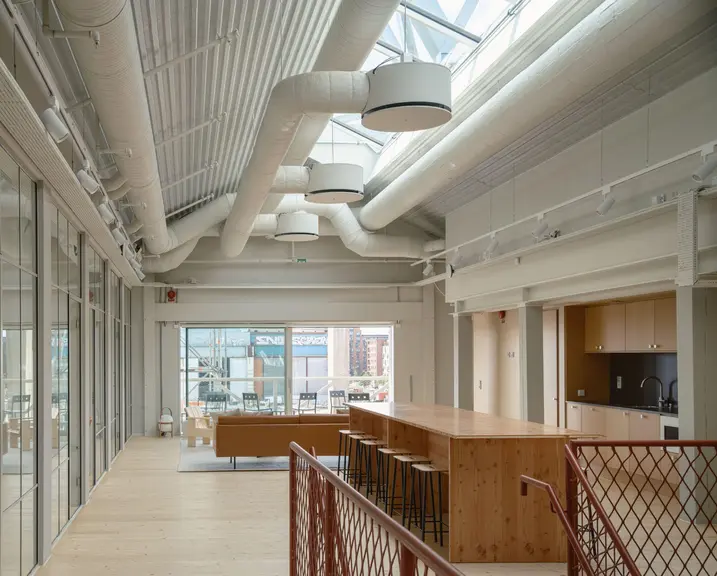
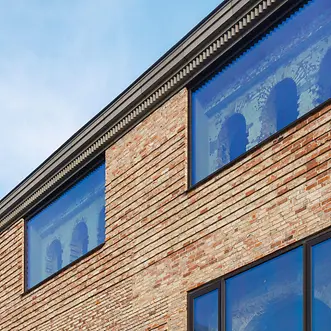
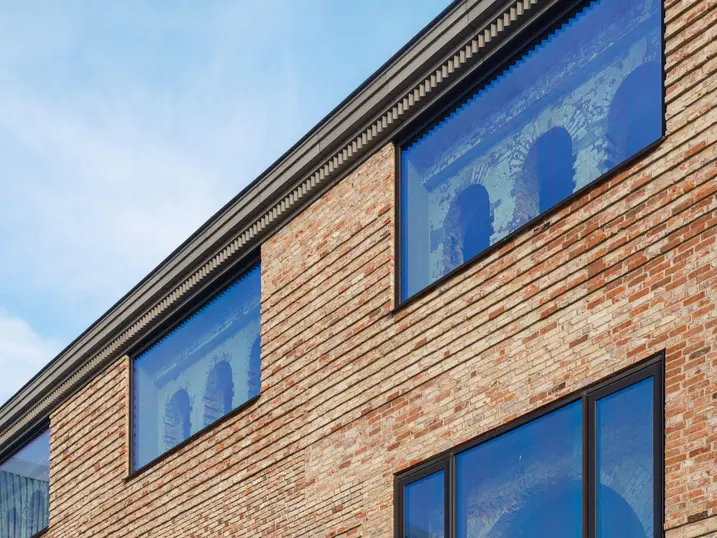
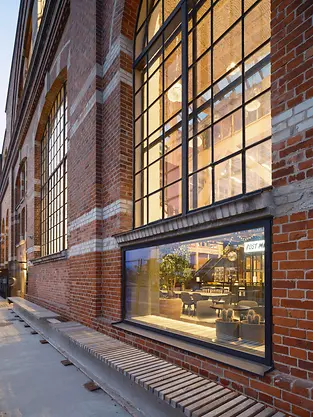
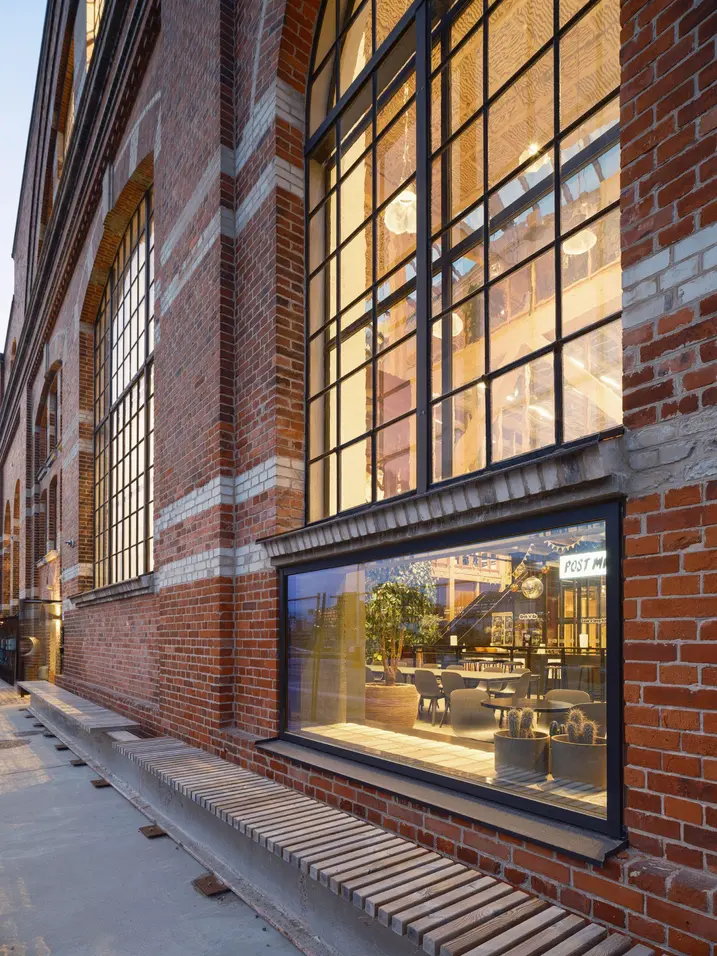
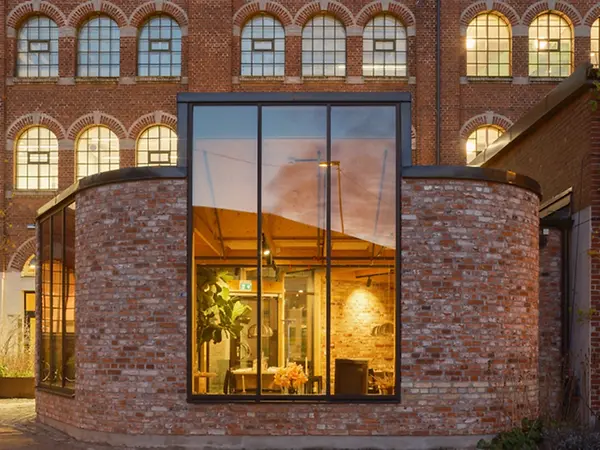
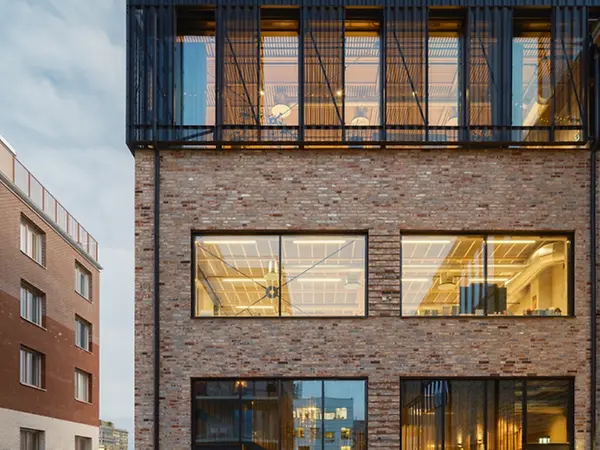
Before the refurbishment, Gjuteriet was in a ruinous state. The complex transformation began in 2021, when the roof was dismantled in stages to stabilise the structure. It was possible to preserve and insulate the cast iron windows in the gables, while the long sides of the building were given new walls built from reused original bricks. As with an archaeological site, parts of the old external wall were retained behind the new one and are visible through the modern Schüco windows. “From an architectural perspective, we built a new building within the old one,” explains Matz Thuresson from Peab. The glazed, open-plan storeys have a lightweight, floating appearance, while old workshop lamps have been reused as a nod to the past. “An exciting dialogue between old and new emerges and this creates character,” says Johan Pitura, architect at Kjellander Sjöberg.

Snickeriet is the oldest surviving building in the shipyard

Snickeriet (the joinery)

Before the refurbishment, Gjuteriet was in a ruinous state. The complex transformation began in 2021, when the roof was dismantled in stages to stabilise the structure. It was possible to preserve and insulate the cast iron windows in the gables, while the long sides of the building were given new walls built from reused original bricks. As with an archaeological site, parts of the old external wall were retained behind the new one and are visible through the modern Schüco windows. “From an architectural perspective, we built a new building within the old one,” explains Matz Thuresson from Peab. The glazed, open-plan storeys have a lightweight, floating appearance, while old workshop lamps have been reused as a nod to the past. “An exciting dialogue between old and new emerges and this creates character,” says Johan Pitura, architect at Kjellander Sjöberg.

产品信息

FWS 50

旭格FWS 50幕墙系统

性能卓越的构件式幕墙,可视面宽度50 mm — 为实现不同系统解决方案打下基础

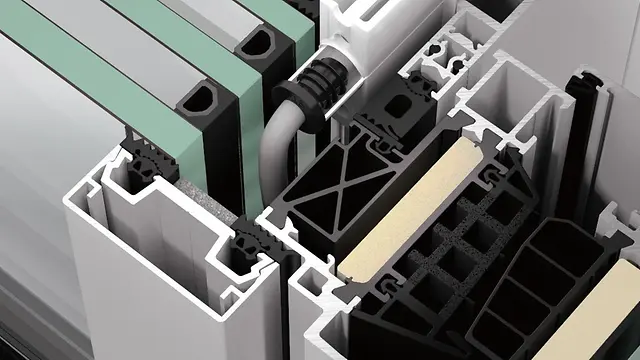
作为幕墙和采光顶的基础系统,旭格FWS 50幕墙系统提供极大的灵活度和引人注目的设计选项 – 且优化了加工和安装进程。广泛的系统类型打造多种解决方案,满足多样化的要求,实现各种应用。

整合进型材的通透护栏系统天衣无缝地融入幕墙外立面。无需打断型材即可满足落地窗式开启单元的防护要求和极低的护栏高度,型材可视面宽度保持不变。

这个可视面宽度为50 mm的构件式幕墙系统实现极高程度的设计自由,提供多种压板和幕墙罩盖选项,并能和旭格门、窗、推拉系统组合使用。

经过优化的系统组件保证轻松安全地整合电动组件,如用于自动化旭格门系统或遮阳装置。

旭格通过这个构件式幕墙系统开发生态产品,践行可持续发展。超隔热的旭格FWS 50.SI幕墙系统凭借其可回收特性和极少的毒素含量受到独立的C2CPII研究所与汉堡环境保护促进协会认可,荣获“摇篮到摇篮”(C2C)银奖证书。

了解更多​

ADS 75 HD.HI

旭格ADS 75 HD.HI门系统

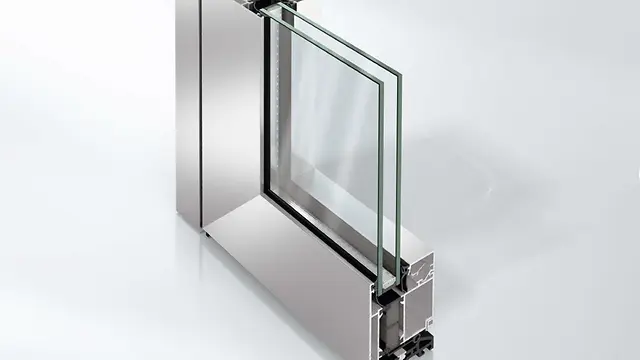
旭格ADS HD(高承重)门系统可打造引人入胜的视觉体验。它们赋予每一栋建筑独一无二的个性。该系统尤其为高频率使用的公共建筑提供极大的开启宽度和耐久性。

了解更多​

AWS 75.SI+

旭格AWS 75.SI+窗系统

优化隔热性能、安防水准和加工流程

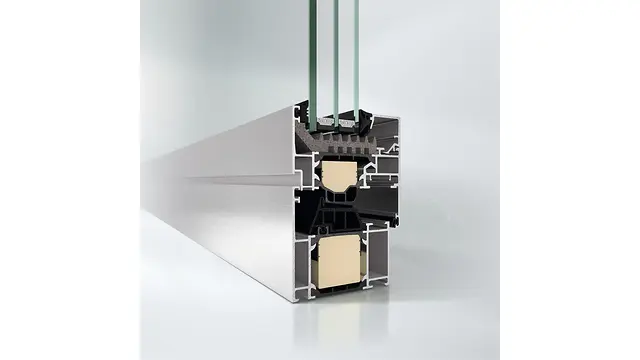
结构深度为75 mm的旭格AWS 75.SI+超隔热窗系统作为旭格AWS窗系统平台的一部分提供多样化的节能建筑外立面解决方案,满足不同应用需求。这个超隔热窗系统可按建筑设计要求作为洞口窗、带状窗、幕墙塞窗或与旭格门系统组合使用。

对开发商和建筑师还有另一项优势,该窗系统能实现多种开启类型,如内倾推拉、上亮下悬及垂直摆扇。

作为系统平台的组成部分,该窗系统提供众多的型材产品,例如组角竖框、结构竖框、对称和不对称竖框,此外还有各种设计类型以及更多与其他旭格产品的组合方案,例如与旭格遮阳系统或旭格通风系统组合。

这个引领未来的扩展系统基于“从摇篮到摇篮”(C2C)概念 — 适用于设计规划可持续发展建筑,使用经过有害物质和回收率检测评估的建筑组件:原材料制成的产品在使用寿命到期后经过回收能重新作为高品质材料循环使用。旭格AWS 75.SI⁺窗系统通过了汉堡环境保护促进协会(EPEA)的检测,符合美国C2C产品创新研究所颁布的现行C2C标准并获得了银奖证书。

了解更多​