Schüco Corporate Services

Choosing modernisation over newbuild

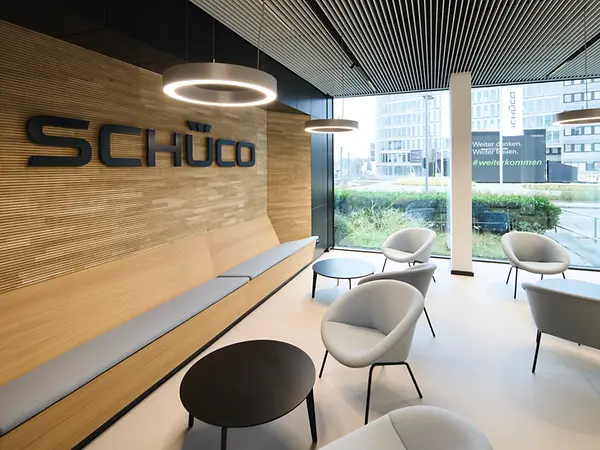
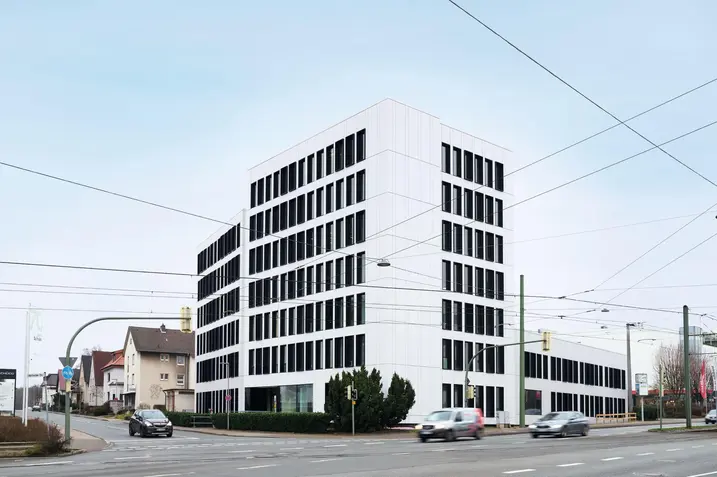
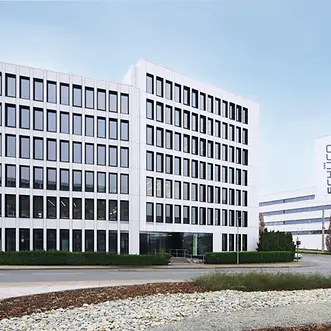
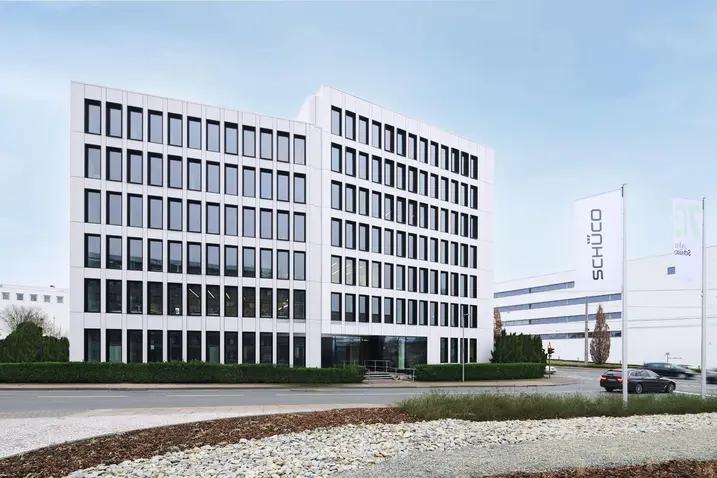
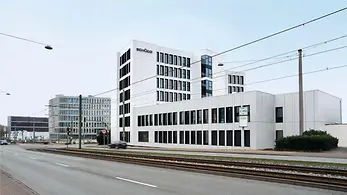
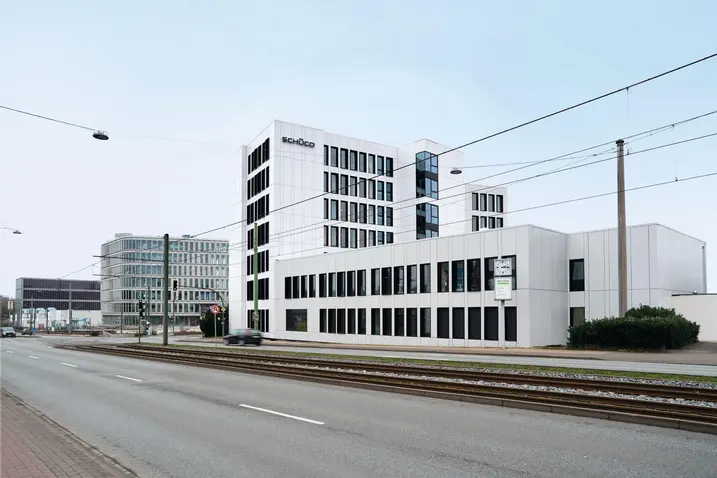
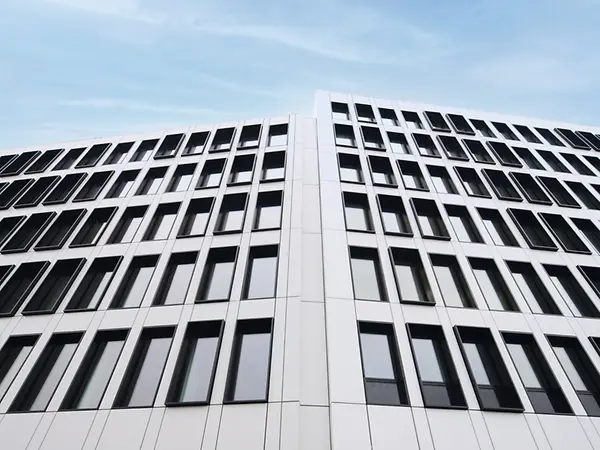
The Schüco Corporate Services building has been completely modernised from top to bottom. All of the aluminium components from the existing building were fed back into the raw material cycle to be recycled. In their place is now a Cradle-to-Cradle certified AF UDC 80 unitised façade, which gives the building a new lease of life. With regard to the office design, Schüco followed the concept of New Work, a forward-thinking approach to the workplace.
项目案例详情

建筑类型 办公与行政
产品 幕墙 FACID(织物幕墙) 通风 遮阳 安防 楼宇自控
旭格系统 FWS 50.SI AWS 75 PD.SI AF UDC 80 ADS 80 FR 30 FWS 60.HI FWS 60 AD UP 75 AWS 75 BS.HI+ AWS 75.SI+ FACID 65 FWS 50 FireStop ADS 76.NI SP
特征 翻新改造 BREEAM认证 “从摇篮到摇篮”(C2C)认证 循环性
地点 Bielefeld, Germany
竣工时间 2021
建筑师 tr.architekten Rössing-Tilicke
专业公司 Hilzinger Metallbau
图片版权 Frank Peterschröder

A milestone on the company campus

The Schüco company headquarters has been expanded and restructured continually since 2016. One renovated building is the Digital Hub One office complex, a former production hall which has been modernised according to the principles of New Work, while newbuilds include the Schüco One building designed by architectural practice 3XN and the Schüco carpark with its striking textile façade. After three years of renovation work, the Schüco Corporate Services building was made available to its users, the Finance and IT departments, at the end of 2021.

Three building structures, one unit

The complex is comprised of three building structures made of reinforced concrete: a seven-storey construction facing the future company headquarters Schüco One, a six-storey building along Karolinenstraße and a long, two-storey low-rise parallel to Herforder Straße. These three buildings were constructed one-by-one from the 1960s to the 1980s. In 2001, the façade of the complex, which was constructed as a Schüco ribbon window system, received a second suspended skin made of glass and aluminium. The interior of UZB, however, had remained largely unchanged, with its components more or less in their original condition. 

Fundamental restructuring

The main reason for the most recent conversion was the fact that the existing building fabric no longer complied with current fire protection requirements. While examining the building further, other technical and functional shortcomings were found, for example with regard to the service and sanitation systems and barrier-free access. Aesthetically speaking, the complex was also in need of an update. The colours of the interior had not been changed since the 1980s, and the suspended ceilings in the corridors and offices were outdated. To add to that, there was a lack of open workspaces and smart, inviting rooms for informal communication. It was clear to Schüco and the Cologne-based architectural practice tr.architekten, who were commissioned to create the design, that the complex was not only in need of technical renovations but would also require a complete refurbishment of the interior.

Geöffnete Schiebetür von Schüco mit Blick in den Wohnbereich

The New Work workplace concept

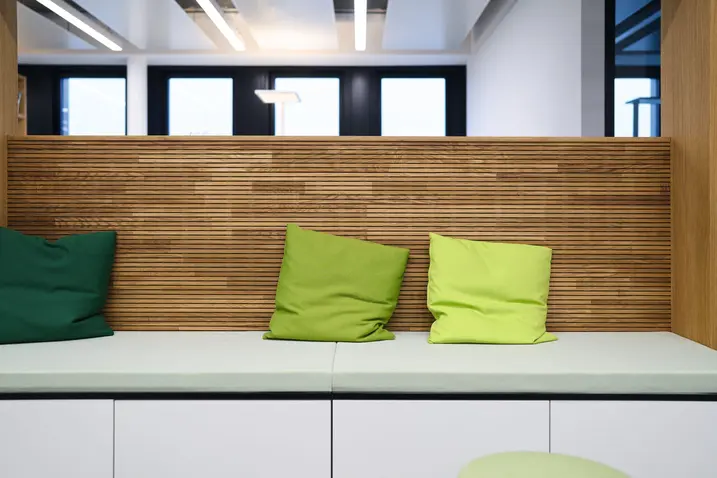
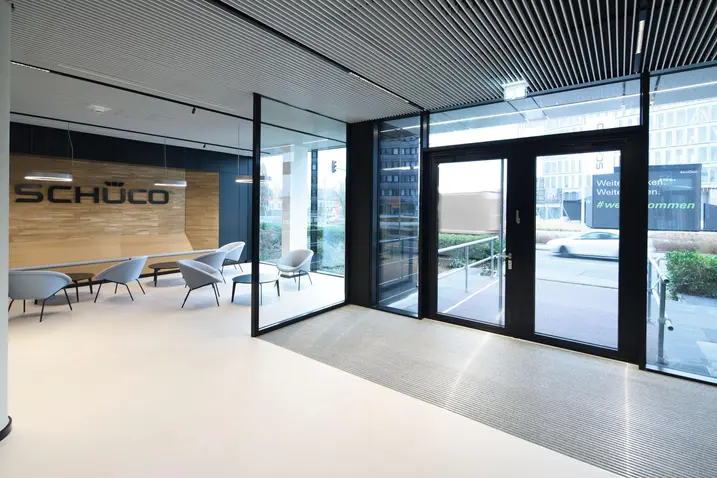
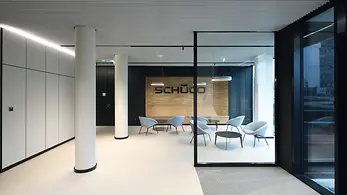
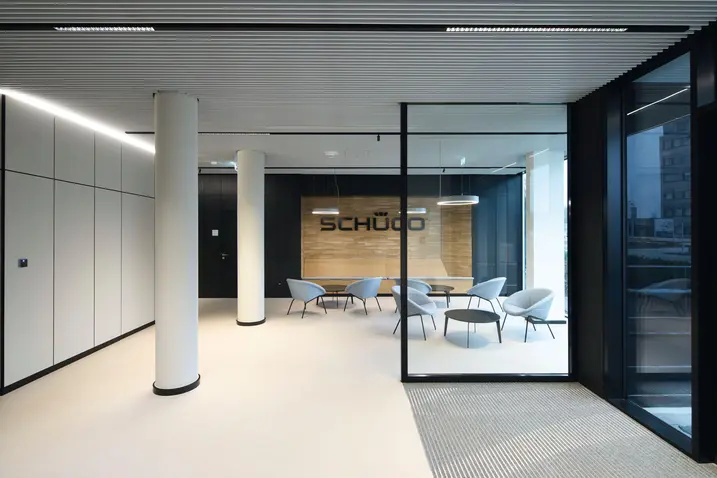
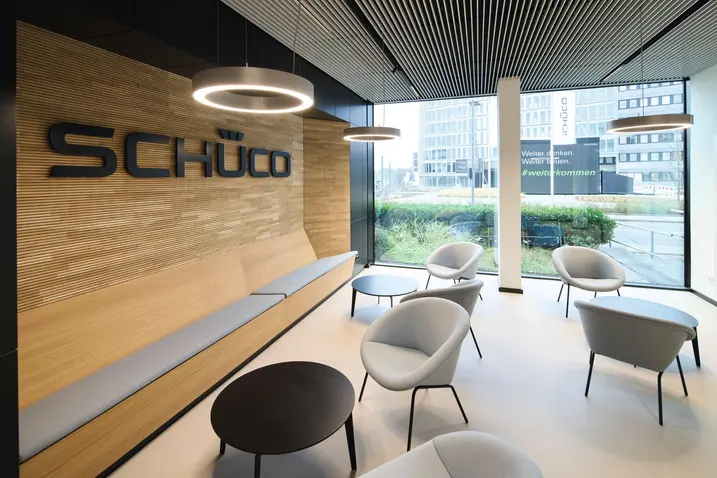
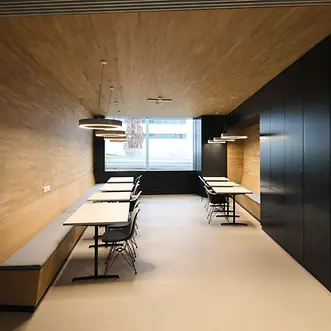
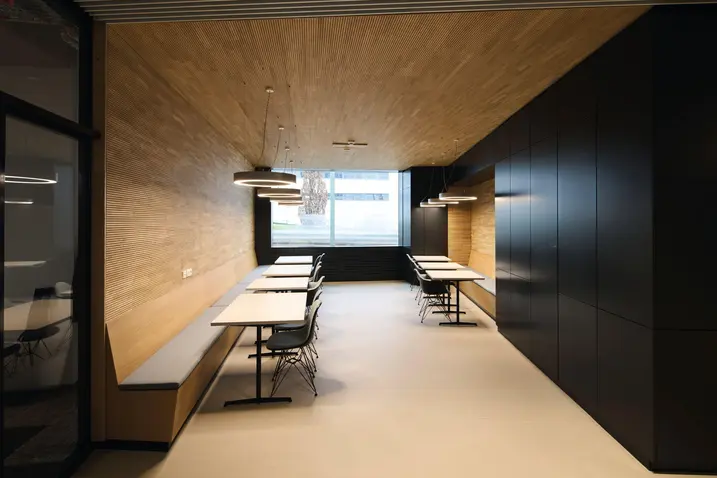
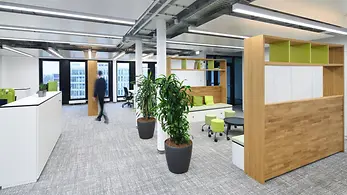
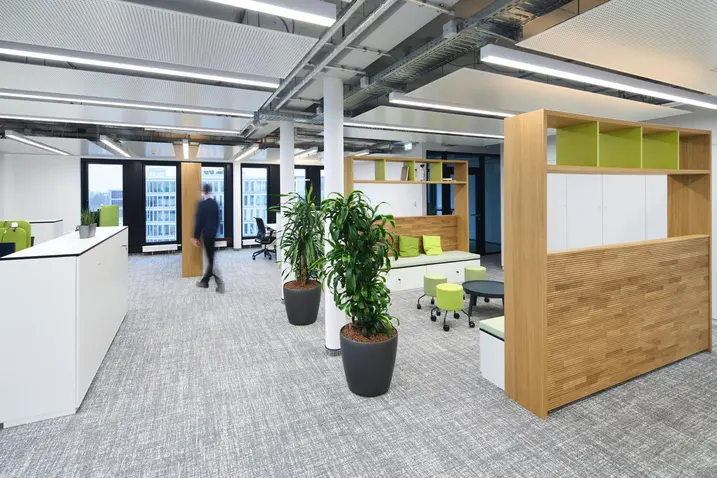
The design team approached the renovation in various stages. The office levels were completely redesigned in line with the principles of New Work. The areas are designed to accommodate 160 Schüco employees. Rooms for meetings with external auditors and tax advisors were also constructed. Open areas with the option of desk sharing, individual offices providing a quiet working environment, as well as meeting rooms and zones for informal communication alternate with one another in the floor plans. The end users of the complex were also involved throughout the design process, in order to increase acceptance of the new ways of working.

Acquired usable space

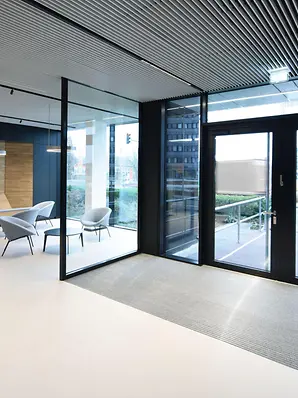
The reception and foyer and the staircases and lifts were also given a new lease of life. To do this, the existing lift shaft in the centre of the building was removed. A new lift was constructed at the intersection of the three building structures, at the rear-facing courtyard façade. The design team repurposed the extra usable space into open-plan communication zones.

A timeless building envelope

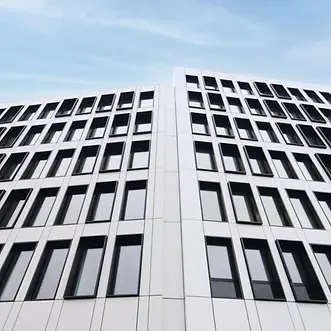
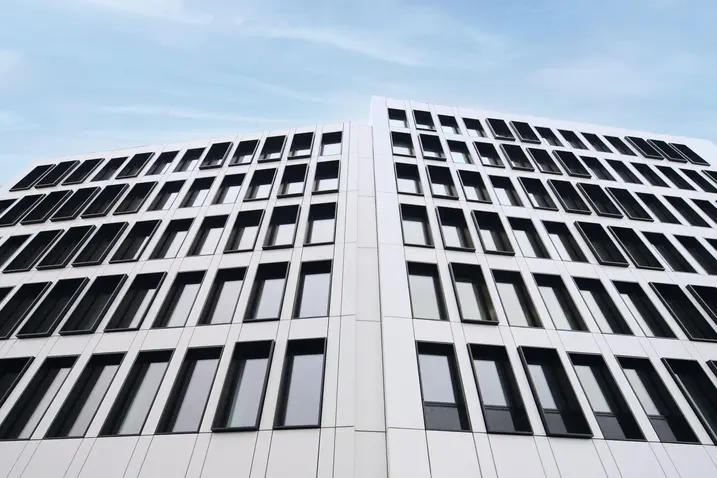
Another key element of the new design was to reinvigorate the façade, which required the existing aluminium components to be dismantled. "With the Schüco Corporate Services building, we've followed a holistic design approach," explains André Schreiber, the architect at Schüco responsible for the project. "This means that the façades should also be long-lasting and timeless. In keeping with the idea of showcasing as many of our products in use as possible on the campus, we have put the Cradle to Cradle-certified AF UDC 80 unitised façade to use for the very first time. "Even with the new building envelope, the three parts of the existing building are still recognisable as distinct structures. At the same time, the unitised façade lends them a muted, homogenous external appearance. In this way, the Schüco Corporate Services building offers a refreshing contrast to the bold and expressive design of the Schüco One newbuild opposite.

Geöffnete Schiebetür von Schüco mit Blick in den Wohnbereich

Project-specific details

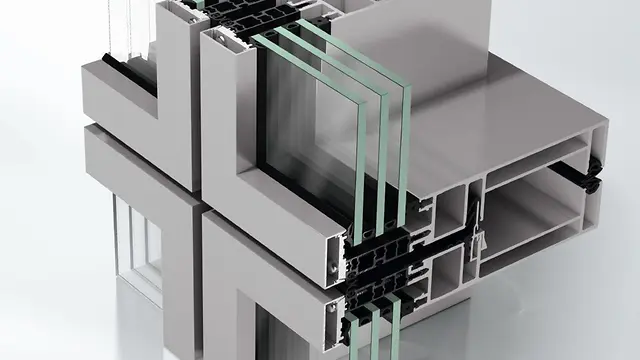
The unitised construction of the UDC 80 façade enables it to be easily adapted to any type of structural scenario and distribution of functions in the building. The façade of the Schüco Corporate Services building was assembled out of around 332 prefabricated units. Vent and panoramic windows, closed panel fields, and ventilation vents are alternated throughout the façade. For the first time, the Schüco AB ZDS (Aluminium Blind Zip Design Screen) sun shading system, which is an external, textile roller blind system, was integrated in the unitised façade.  The cover caps on the windows are another special detail of this project. These extend from the façade in three different lengths, creating a subtle play of shadows on the building envelope.

Back into the raw material cycle

As soon as the decision was made to renovate the façade, Schüco was determined to make recycling a priority. The existing façade of the complex from the 1980s and 2000s contained a large amount of aluminium. Schüco is also a founding member of the A|U|F, an association which organises a closed-loop recycling process for aluminium from the window, door and façade industry. It was natural, then, to dismantle all of the aluminium components from the façade and canopy, and feed them back into the A|U|F raw material cycle. In order to ensure that only aluminium was fed into the cycle, the company in charge of demolition collected the individual constituent materials in separate containers as much as possible. The aluminium was then recycled in several container loads by companies belonging to the A|U|F. In total, 28 tonnes of the material were extracted from the building, which was confirmed by European Aluminium (EA) following an external audit, which confirmed a recycling rate of 98.3%.

Geöffnete Schiebetür von Schüco mit Blick in den Wohnbereich

Recycling rates recorded for the first time

In 2014, the EA began to survey the recycling rate of different buildings in Europe following demolition or renovation in order to independently confirm high recycling rates of aluminium. This figure is also used in the basic assumptions when calculating an Environmental Product Declaration (EPD). Before long, the EA began a new way of measuring recycling rates. They called on their members to name projects that would verify their recycling rates. Schüco answered this call. The audit results from the Schüco Corporate Services building were the first to be included in this new survey. 

A holistic approach

In addition to the UDC 80, other C2C Silver-certified products were used such as the FWS 50 / 60 SG mullion/transom construction for the entrance façade, the AWS 75 BS insert units and the AD UP 75 doors. Following the renovation, the building now meets the ambitious KfW 70 standard and consumes 265,000 kWh less primary energy per year than before as a result. The renovated building is supplied with certified green energy and receives heating energy and hot water via district heating.

Building materials from renewable resources

The roofs, for instance, are insulated with cellulose fibres. A green roof is also in the works. This 500 m² green space will encourage insect diversity, improve the microclimate both in and around the building, and reduce noise and pollution. The construction companies similarly took precautions to minimise pollution and noise while they worked on the building. Schüco chose to work predominantly with local businesses to reduce time spent on construction and on transporting materials. The project is being subsidised by the Ministry for the Environment, Conservation, Agriculture, and Consumer Protection in the state of North Rhine-Westphalia. 

产品信息

FWS 50.SI

旭格FWS 50.SI幕墙系统

获得被动房认证的构件式幕墙,提供多样化的系统解决方案

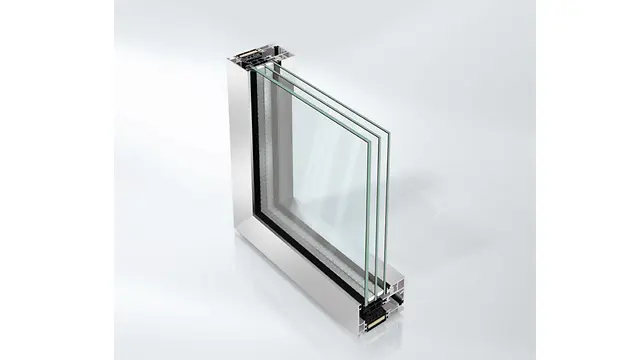
凭借开创性的隔断技术,旭格FWS 50.SI超隔热幕墙系统为幕墙和采光顶提供多样化的解决方案,满足被动房水准 – 且优化了加工和安装进程。

极高的灵活度和广泛的系统类型打造构件式结构解决方案,为高端住宅和商建项目满足多样化的功能和设计要求。

整合进型材的通透护栏系统天衣无缝地融入幕墙外立面。无需打断型材即可满足落地窗式开启单元的防护要求和极低的护栏高度,型材可视面宽度保持不变。

提供多种压板和幕墙罩盖选项,并能和旭格门、窗、推拉系统组合使用,为建筑外立面提供额外的美观设计选项。

经过优化的系统组件保证轻松安全地整合电动组件,如用于自动化旭格门系统或遮阳装置,保证安防水准和用户舒适度。

旭格通过这个构件式幕墙系统开发生态产品,践行可持续发展。系统凭借其可回收特性和极少的毒素含量受到独立的C2CPII研究所与汉堡环境保护促进协会认可,荣获“摇篮到摇篮”(C2C)银奖证书。

了解更多​

AWS 75 PD.SI

旭格AWS 75 PD.SI窗系统

最纤细的可视面宽度,实现最大通透效果

如今,设计现代化建筑外立面不仅要考虑能效,还需满足完美融合外观和功能的基本需求。凭借AWS 75 PD.SI全景设计窗系统,旭格首次提供内外可视面最为纤细的开启扇,同时发挥良好的隔热性能,满足建筑要求。

互相匹配的系统特征是实现这一切需求的基础:这包括内侧平齐的扇型材、最狭小的胶条可视轮廓、最纤细的内外可视面宽度打造的最大通透效果以及固定扇与开启扇互相协调的可视面宽度呈现的统一扇框外观。隐藏式排水结构及纤细清晰的型材半径设计使这个具有开创性的窗系统更趋完善。

将这个具有高隔热性能的开启单元整合进旭格FWS 35 PD幕墙系统中,或与纤细且不透明的旭格AWS 75 PD VV.SI超隔热通风窗扇组合使用,可提供完美协调的建筑解决方案。

了解更多​

AF UDC 80

旭格AF UDC 80幕墙系统

动态单元幕墙,极大的设计自由

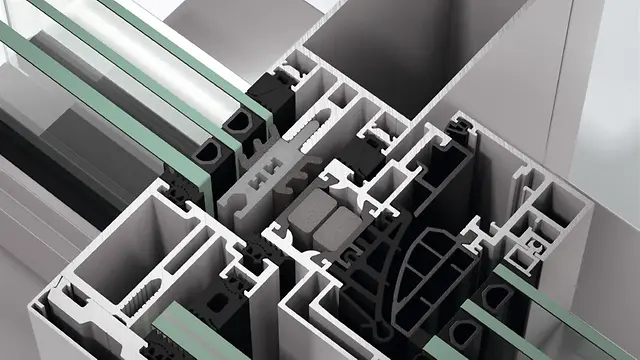
旭格AF UDC 80动态单元幕墙是旭格AF UDC 80铝合金单元幕墙系统平台的组成部分。凭借经检测的可升级配件,这个动态幕墙系统为建筑师、开发商和加工商轻松打造单元结构的建筑项目,并基于有效的规划和加工实现广泛应用并提供多种设计选择。

凭借其灵活性和最大的系统安全性,完美安装系统组件,适用于为项目定制的单元幕墙结构。

另一项优势是提供极大的设计自由空间。整个系统系列包括各种外框设计类型。连贯的型材可视面为幕墙实现最大通透效果。

可选罩盖设计类型,从外观上可降低可视面宽度 — 同时保留极高的承重负荷结构。可实现大规格的单元尺寸与极高承重。

不透明区域可使用不同的金属板、打印玻璃和天然石为建筑幕墙实现个性化设计:不同材料可平齐或悬挂分布,通过系统连接组件实现平面进出关系。

可整合隐藏式抗风织物遮阳系统旭格AB ZDS减少建筑制冷负荷 — 嵌入型材的导轨为幕墙外立面实现美观设计。

了解更多​

FWS 60

旭格FWS 60幕墙系统

性能卓越的构件式幕墙,可视面宽度60 mm — 为实现不同系统解决方案打下基础

作为幕墙和采光顶的基础系统,旭格FWS 60幕墙系统提供极大的灵活度和引人注目的设计选项 – 且优化了加工和安装进程。广泛的系统类型打造多种解决方案,满足多样化的要求,实现各种应用。

整合进型材的通透护栏系统天衣无缝地融入幕墙外立面。无需打断型材即可满足落地窗式开启单元的防护要求和极低的护栏高度,型材可视面宽度保持不变。

这个可视面宽度为60 mm的构件式幕墙系统实现极高程度的设计自由,提供多种压板和幕墙罩盖选项,并能和旭格门、窗、推拉系统组合使用。

经过优化的系统组件保证轻松安全地整合电动组件,如用于自动化旭格门系统或遮阳装置。

了解更多​

AD UP 75

旭格AD UP 75门系统

普遍适用于使用频率极高的商建楼宇大门和注重设计的入户门

旭格AD UP 75门系统将良好的隔热性能与极高的稳定性相结合,结构深度为75 mm,为高端住宅和商建项目提供极高的功能保障,满足所有要求。

凭借突破性的结构原理和模块化密封胶条系统,旭格AD UP 75为铝合金门系统设定隔热、水密性、承重能力和耐久性新标准。广泛的五金和设计选项帮助打造时尚的门系统解决方案,满足生活工作所有领域的各种要求。该门系统能与门通讯系统及门禁出入控制系统完美组合。

了解更多​

AWS 75 BS.HI+

旭格AWS 75 BS.HI+窗系统

高隔热隐藏式窗扇系统,满足高端的设计要求

凭借卓越的隔热性能和不外露的纤细扇轮廓设计,旭格AWS 75 BS.HI+ (高隔热隐扇系统)保证最大程度的通透性,满足极高的建筑要求。

铝合金隐扇系统是旭格AWS窗系统系列的组成部分,结构深度75 mm,在功能、能效和设计方面都具有出众的特征。

系统具有极高的灵活性,打造美观的设计解决方案,满足不同建筑要求,可作为洞口窗、带状窗或塞窗整合进旭格幕墙系统,也可作为“悬窗”。

多种开启类型包括平开、内开内倒及下悬上亮。

这个隐扇系列的另一项优势是系统平台提供多种型材产品,例如组角竖框、结构竖框、对称和不对称竖框,或扇型材带TipTronic等。可为多种开启类型安装旭格TipTronic SimplySmart嵌入式电动五金件。

该系统为规划和设计灵活度设定新标准,打造节能而美观的建筑外立面。

了解更多​

AWS 75.SI+

旭格AWS 75.SI+窗系统

优化隔热性能、安防水准和加工流程

结构深度为75 mm的旭格AWS 75.SI+超隔热窗系统作为旭格AWS窗系统平台的一部分提供多样化的节能建筑外立面解决方案,满足不同应用需求。这个超隔热窗系统可按建筑设计要求作为洞口窗、带状窗、幕墙塞窗或与旭格门系统组合使用。

对开发商和建筑师还有另一项优势,该窗系统能实现多种开启类型,如内倾推拉、上亮下悬及垂直摆扇。

作为系统平台的组成部分,该窗系统提供众多的型材产品,例如组角竖框、结构竖框、对称和不对称竖框,此外还有各种设计类型以及更多与其他旭格产品的组合方案,例如与旭格遮阳系统或旭格通风系统组合。

这个引领未来的扩展系统基于“从摇篮到摇篮”(C2C)概念 — 适用于设计规划可持续发展建筑,使用经过有害物质和回收率检测评估的建筑组件:原材料制成的产品在使用寿命到期后经过回收能重新作为高品质材料循环使用。旭格AWS 75.SI⁺窗系统通过了汉堡环境保护促进协会(EPEA)的检测,符合美国C2C产品创新研究所颁布的现行C2C标准并获得了银奖证书。

了解更多​

FACID 65

旭格FACID 65幕墙系统

多功能织物幕墙,提供广泛的应用和设计选项

可持续发展建筑概念不断纳入建筑的整个生命周期。在这个发展趋势下,对幕墙功能性与灵活度的要求也在不断提升。使用旭格FACID 65幕墙系统,建筑外立面可迅速并有效地应对变革的需求,且不限制功能 — 成为异形幕墙发展道路上的里程碑。

无论是悬挂式通风幕墙、附加的装饰外立面还是组合幕墙,这个高度灵活的系统通过数字打印、多种照明场景及三维塑形提供广泛的设计选项。根据应用和建筑类型提供不同的织物面料。

这个织物幕墙解决方案除了技术性能特征外还有耐久性和多功能应用等其他优势。

了解更多​

FWS 50

旭格FWS 50幕墙系统

性能卓越的构件式幕墙,可视面宽度50 mm — 为实现不同系统解决方案打下基础

作为幕墙和采光顶的基础系统,旭格FWS 50幕墙系统提供极大的灵活度和引人注目的设计选项 – 且优化了加工和安装进程。广泛的系统类型打造多种解决方案,满足多样化的要求,实现各种应用。

整合进型材的通透护栏系统天衣无缝地融入幕墙外立面。无需打断型材即可满足落地窗式开启单元的防护要求和极低的护栏高度,型材可视面宽度保持不变。

这个可视面宽度为50 mm的构件式幕墙系统实现极高程度的设计自由,提供多种压板和幕墙罩盖选项,并能和旭格门、窗、推拉系统组合使用。

经过优化的系统组件保证轻松安全地整合电动组件,如用于自动化旭格门系统或遮阳装置。

旭格通过这个构件式幕墙系统开发生态产品,践行可持续发展。超隔热的旭格FWS 50.SI幕墙系统凭借其可回收特性和极少的毒素含量受到独立的C2CPII研究所与汉堡环境保护促进协会认可,荣获“摇篮到摇篮”(C2C)银奖证书。

了解更多​