Matchbox

Carbon-efficient building operation thanks to BIPV

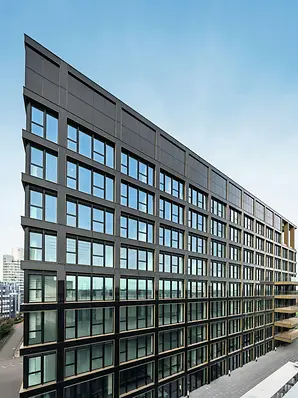
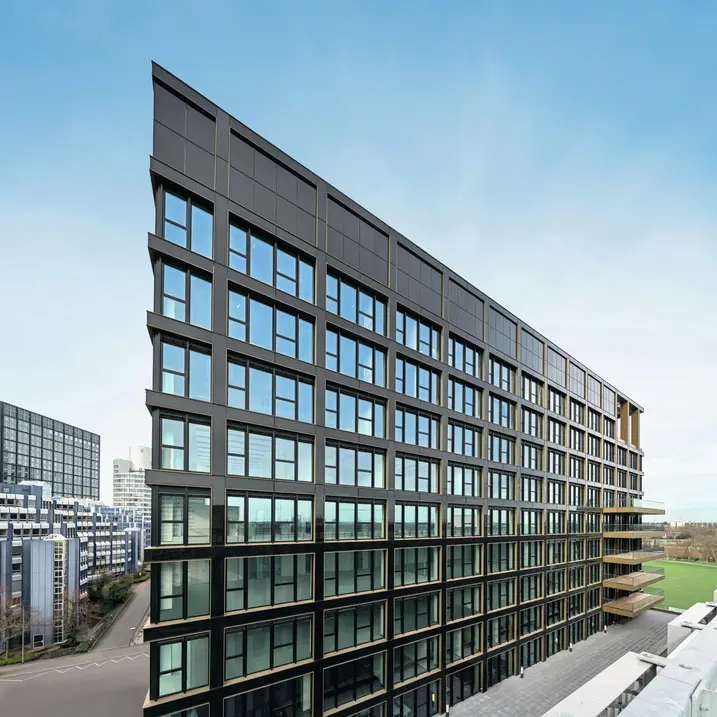
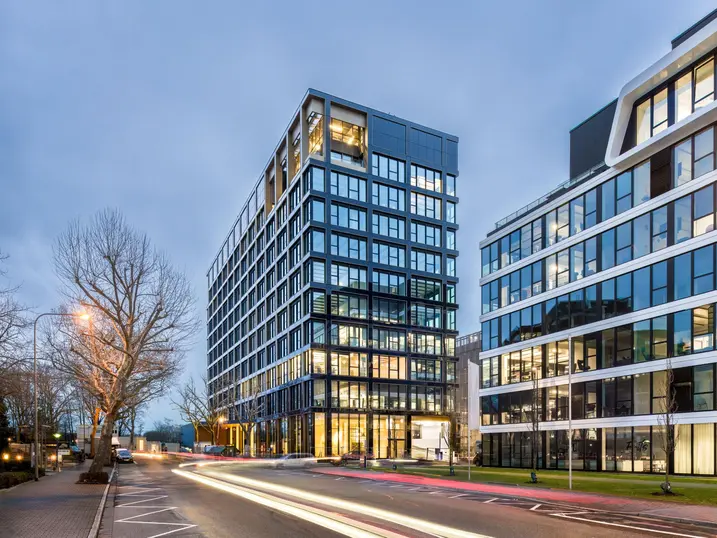
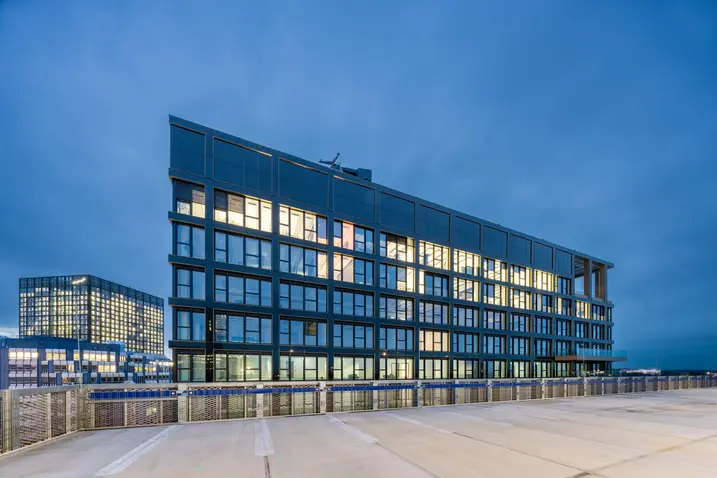
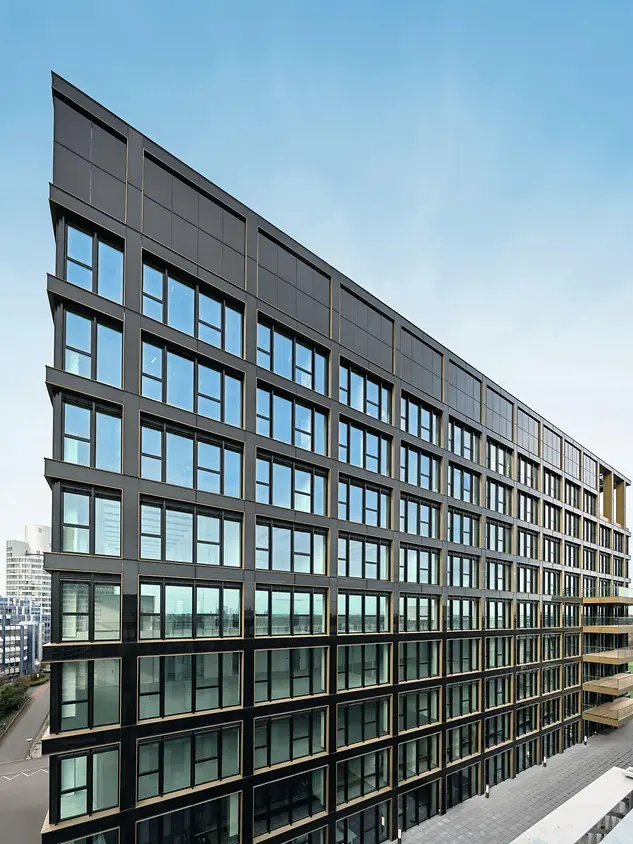
A design-orientated façade and the use of BIPV are by no means mutually exclusive, as shown by the “Matchbox” high-rise office building. The generously glazed new building, which was completed within a construction period of just 15 months, integrates flexible office spaces across ten pillar-free floors that can be split into open-plan offices or individual areas as required.
项目案例详情

建筑类型 办公与行政
产品 幕墙 防火防烟 安防 BIPV(光伏一体化)
旭格系统 FWS 50 BIPV
特征 新建建筑 脱碳 BREEAM认证 “从摇篮到摇篮”(C2C)认证 循环性 防烟
地点 Eschborn, Hessen
竣工时间 2024
建筑师 Lang & Cie. Real Estate
专业公司 Forster Fassadentechnik GmbH,Metallbau Altwicker GmbH
图片版权 © Stefan Schilling

Energy-efficient façade design with BIPV

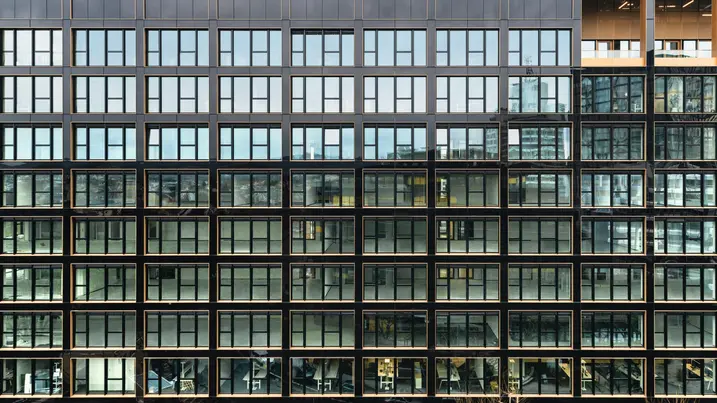
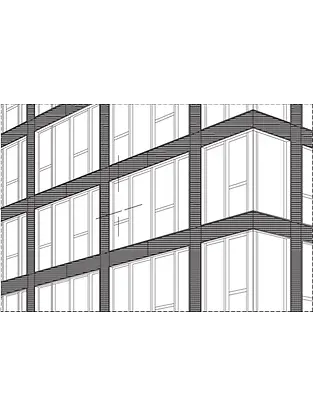
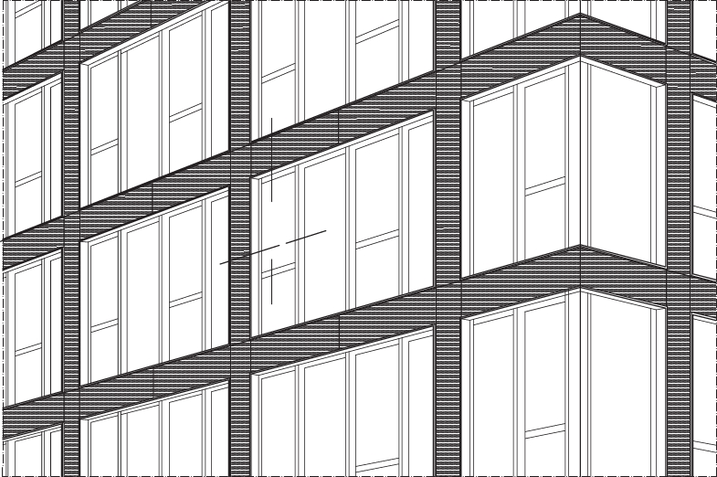
The newbuild is characterised architecturally by the harmoniously subdivided glass façade, which makes an important contribution in optimising the building's sustainability through the integrated photovoltaic modules. The starting point for implementing Schüco BIPV was the client's desire to achieve a sustainable and future-orientated building with high energy efficiency, that is operated entirely without natural gas or other fossil fuels. Various options such as biogas, pellet heating or geothermal energy were considered. Ultimately, the decision was made to install an air-to-water heat pump in conjunction with a roof-integrated photovoltaic system. For a further reduction in electricity demand, it was decided that the façade would also be used to generate power as well as the roof surface.

Bürohaus mit Photovoltaikfassade in Eschborn

Reducing operating costs

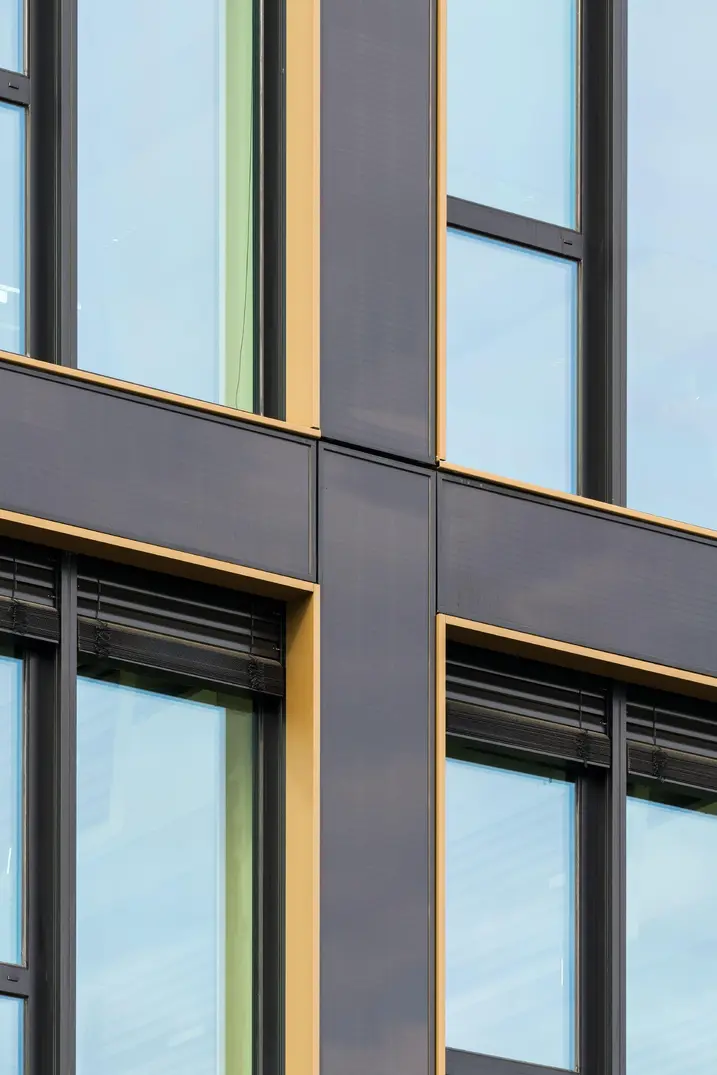
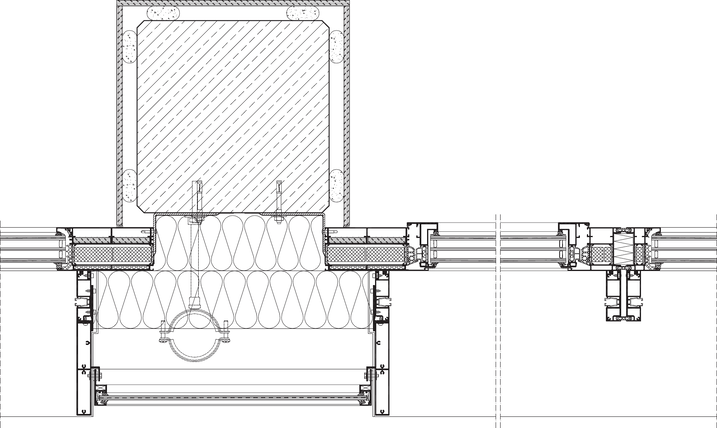
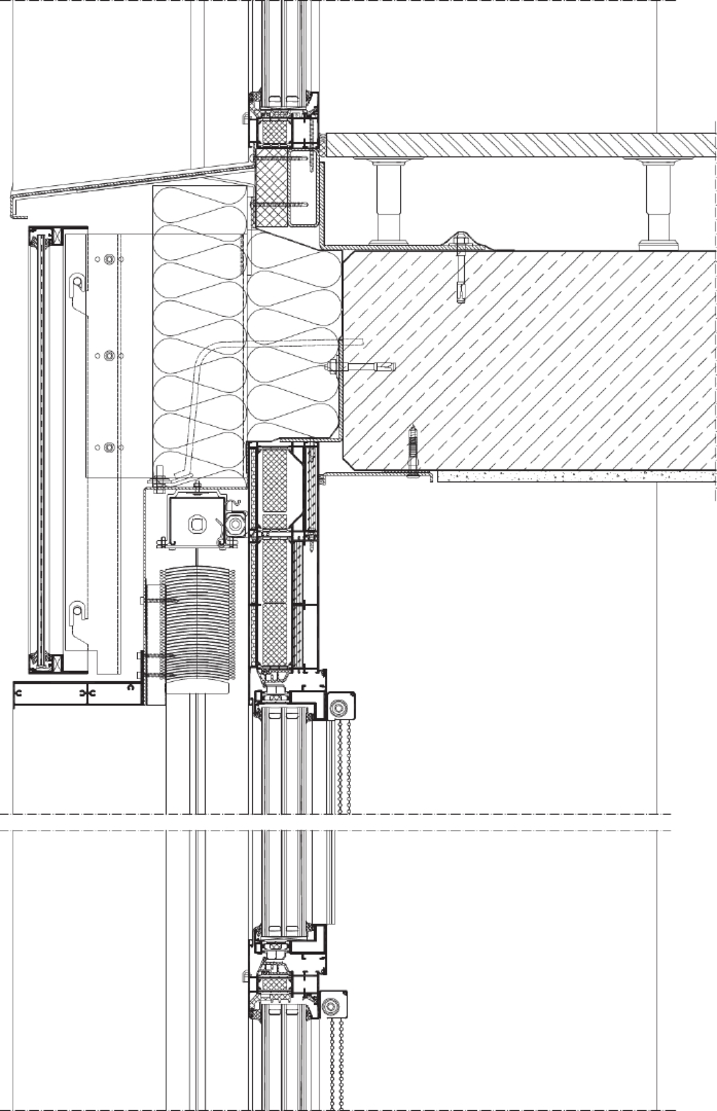
The façade was completed as an individually adapted special design of the Schüco AWS 75 BS.HI+ highly thermally insulated aluminium window system combined with building integrated photovoltaics from Schüco. The Cradle-to-Cradle-certified system was put into practice to achieve a unified overall impression and to obtain a maximum total return in spite of reduced efficiency on the less light-exposed northern side. The integrated PV modules supply an output of around 180,000 kWh per year and, in combination with the PV system on the roof, cover more than half of the total energy requirement for electricity each year. Surplus power is dispensed to the public network. This façade solution ensures a significant reduction in carbon emissions and operating costs.

Form and function in harmony

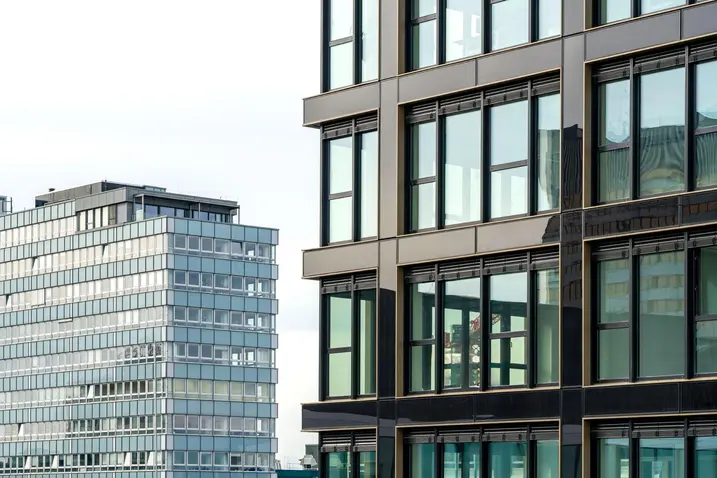
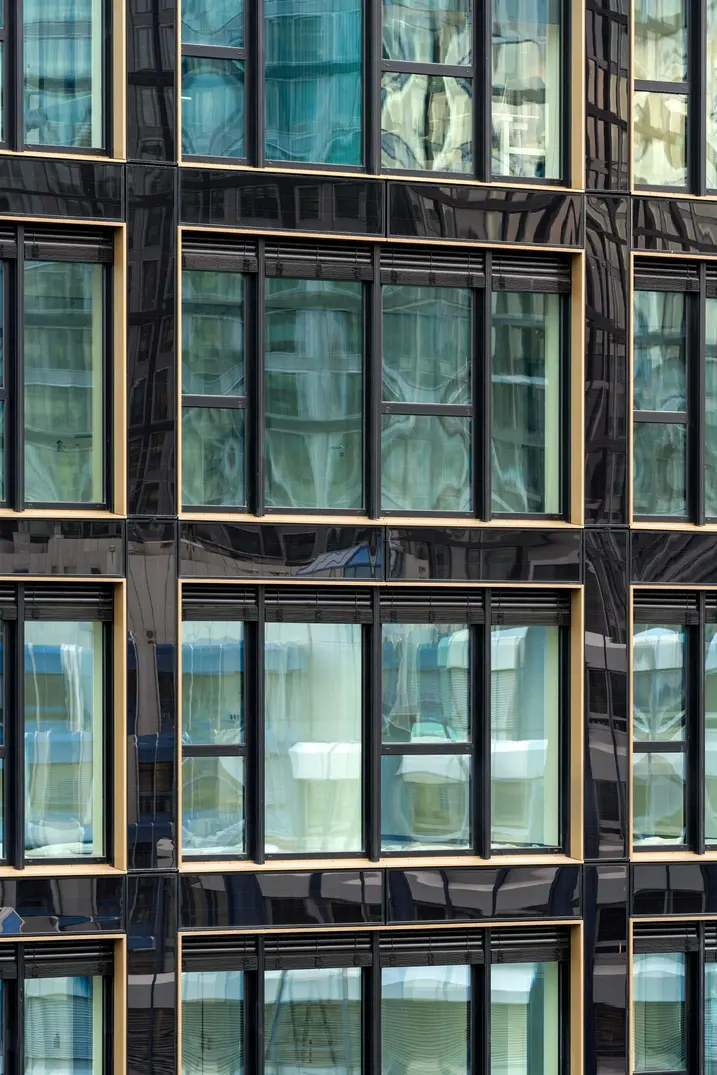
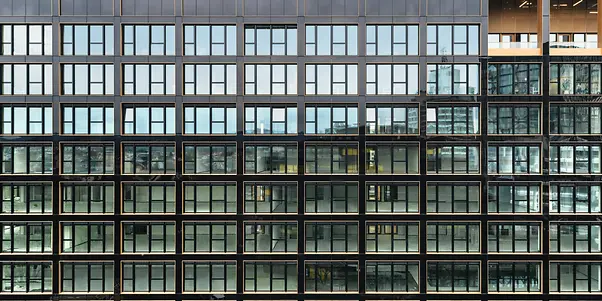
Despite its high energy efficiency, the façade is not recognisable as a solar façade but instead follows the design requirements of the architects. "Based on our concept, the implemented solution is ultimately just a representation of a load-bearing structure in a well-proportioned way," architect Nicolas Schrabeck explains. "BIPV does not give the façade anything formalistic or decorative but simply reflects the usage and statics of the building within the sense of ‘form follows function’." The colour of the PV units was individually customised to give the façade a monochrome, dark tone. The bronze-coloured edging of the windows creates a subtle contrast to this. As a result, the glass shell, which is otherwise characterised by windows and PV elements, has gained a pleasant and high-quality rhythm.

产品信息

FWS 50

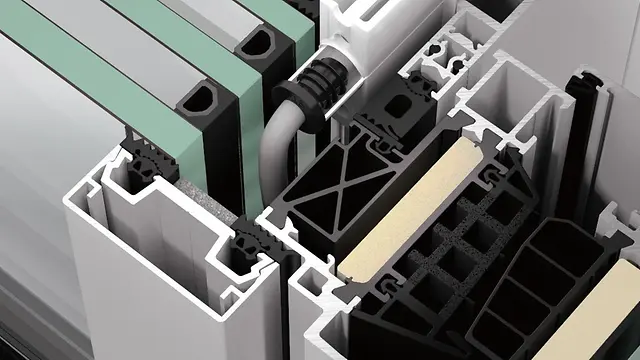
旭格FWS 50幕墙系统

性能卓越的构件式幕墙,可视面宽度50 mm — 为实现不同系统解决方案打下基础

作为幕墙和采光顶的基础系统,旭格FWS 50幕墙系统提供极大的灵活度和引人注目的设计选项 – 且优化了加工和安装进程。广泛的系统类型打造多种解决方案,满足多样化的要求,实现各种应用。

整合进型材的通透护栏系统天衣无缝地融入幕墙外立面。无需打断型材即可满足落地窗式开启单元的防护要求和极低的护栏高度,型材可视面宽度保持不变。

这个可视面宽度为50 mm的构件式幕墙系统实现极高程度的设计自由,提供多种压板和幕墙罩盖选项,并能和旭格门、窗、推拉系统组合使用。

经过优化的系统组件保证轻松安全地整合电动组件,如用于自动化旭格门系统或遮阳装置。

旭格通过这个构件式幕墙系统开发生态产品,践行可持续发展。超隔热的旭格FWS 50.SI幕墙系统凭借其可回收特性和极少的毒素含量受到独立的C2CPII研究所与汉堡环境保护促进协会认可,荣获“摇篮到摇篮”(C2C)银奖证书。

了解更多​

BIPV

旭格Building Integrated Photovoltaics

为建筑实现可持续能源正输出的有效解决方案

为配合欧盟能源标识指令2010/31/EU,自2021年起,欧盟成员国的新建建筑必须符合“近零能源消耗”标准,极大提升能效平衡。在此前提下,德国致力于到2050年完成气候中立建筑经济建设。

因此旭格BIPV建筑光伏模块为符合可持续发展的未来建筑提供有效解决方案,使投资商、运营商获益,造福整个环境。

根据德国节能法规(EnEV),该模块产生的电能将从整个能源计算要求中减去,因此主要的能源需求量会降至最低。

在幕墙中使用BIPV模块不仅释放出环境保护和可持续发展的信号,也是实现近零能源消耗、零能源消耗或能源正输出建筑的关键组件。

了解更多​

Integrated recycling

The BIPV modules promise long-lasting operation and thereby swift amortisation. And should a PV module need to be exchanged, this can be done at a low cost. This is because the building was not only designed with sustainable operation in mind, but also in view of deconstruction and recycling: the Schüco AWS aluminium window systems selected for Matchbox are Cradle-to-Cradle-certified. Equally, the integrated BIPV modules can also be recycled via glass recycling. Consequently, complete recycling within the material cycle is possible.

Decarbonisation throughout the entire life cycle

The building envelope developed for Matchbox is designed to be holistically systematic and saves CO2 throughout the entire life cycle. This project shows how the carbon footprint of a building can be reduced holistically over its entire life cycle with the help of Schüco Carbon Control. An energy efficient façade design with BIPV reduces CO2 emissions during operation and minimises operational costs without compromising on design. At the same time, the use of Cradle to Cradle certified systems ensures installed materials are fed back into the material cycle.