Belle Harbour

From art project to living space

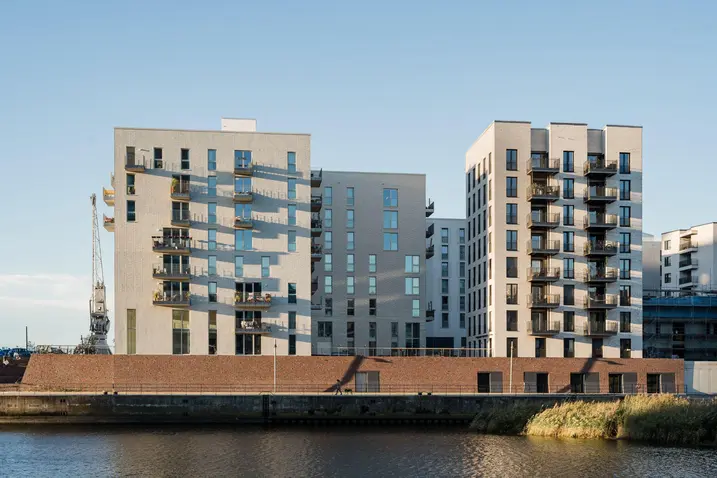
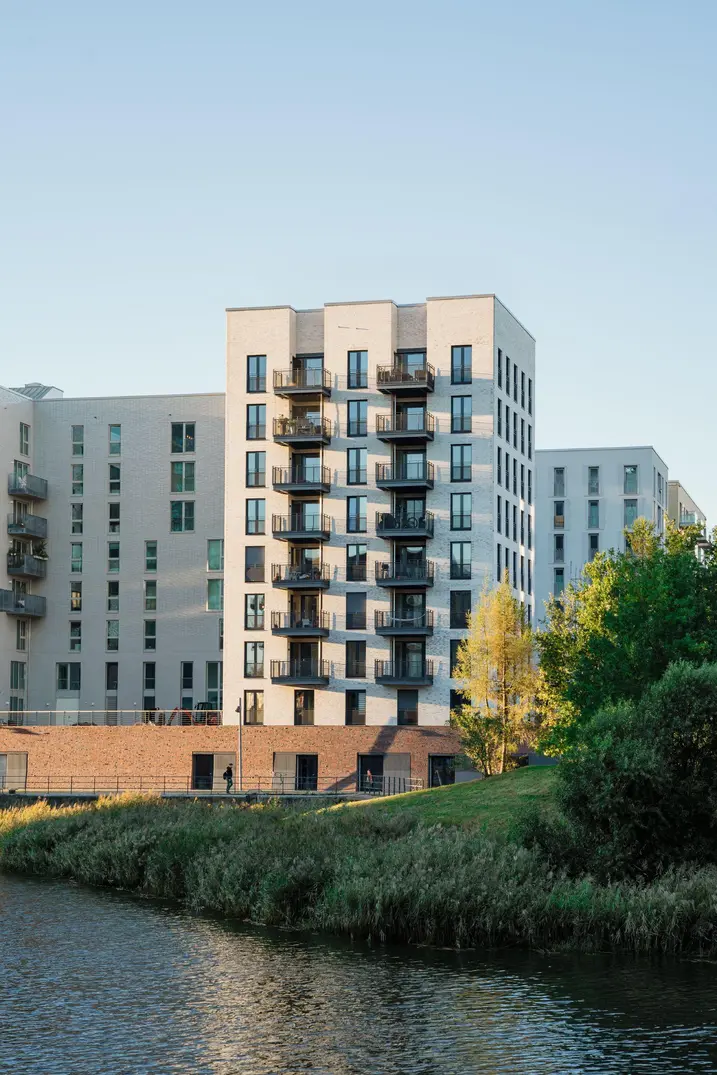
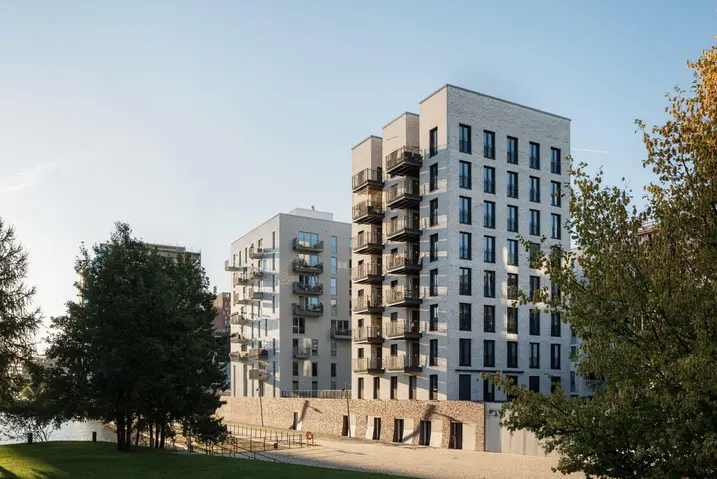
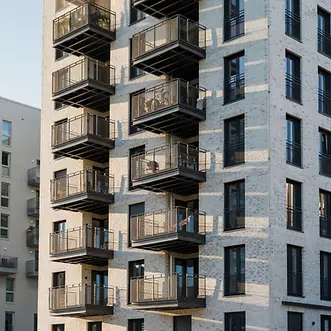
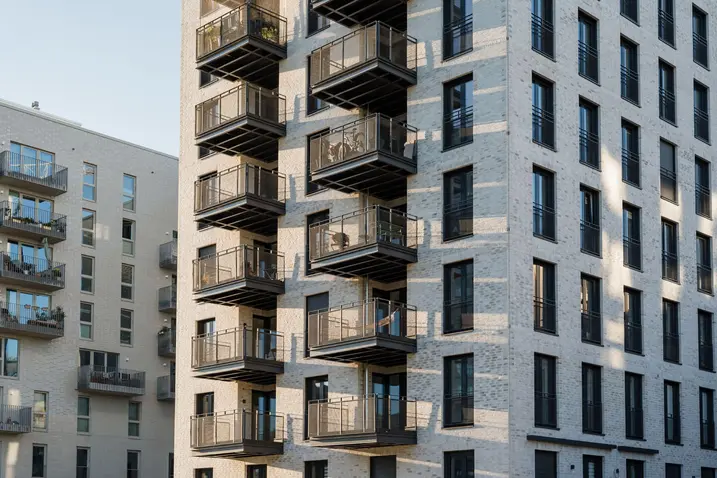
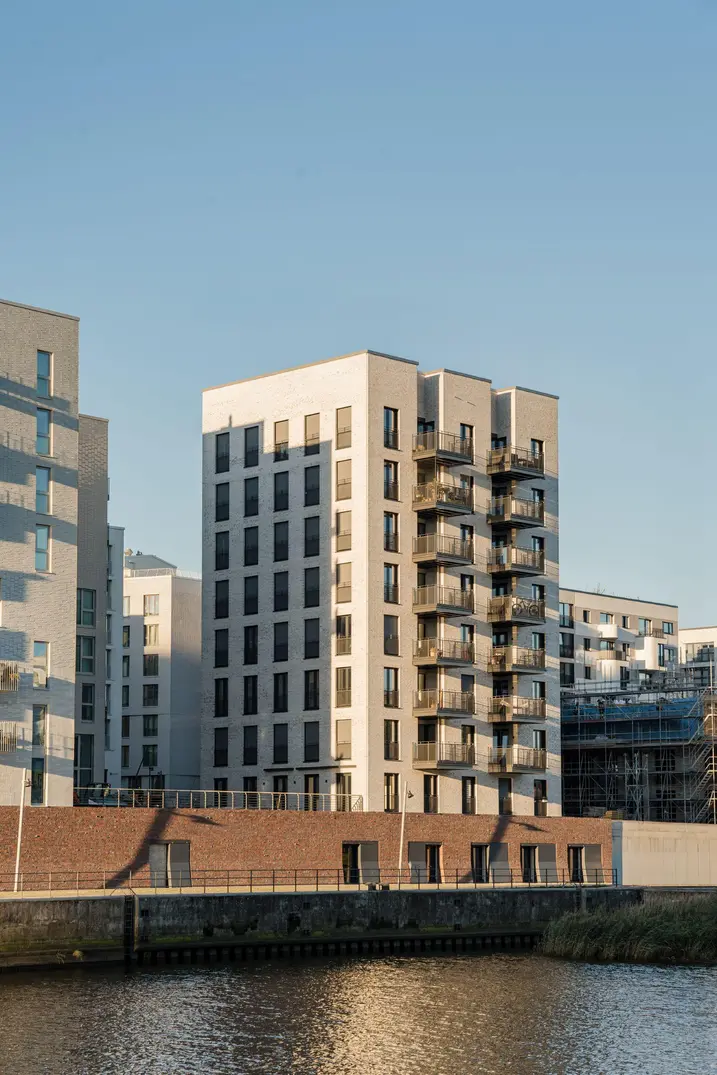
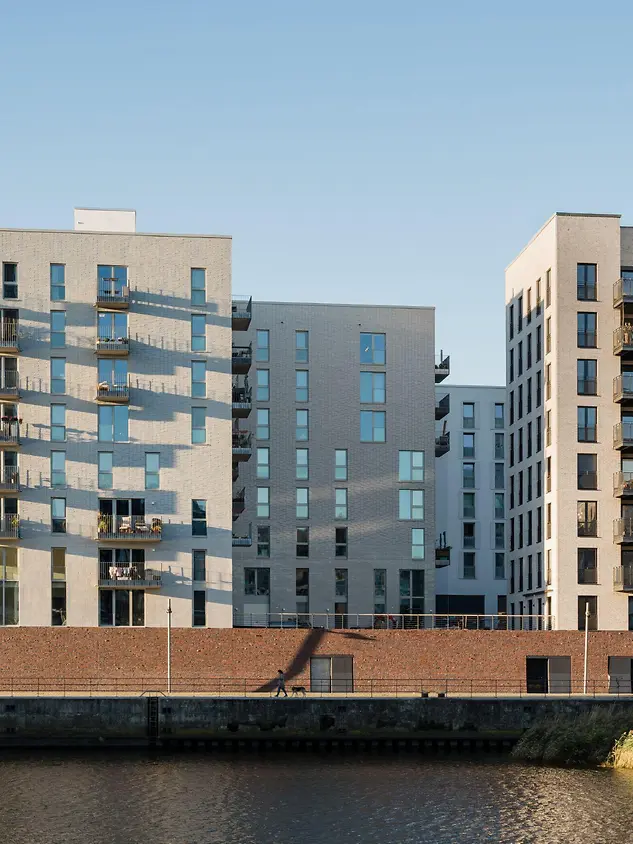
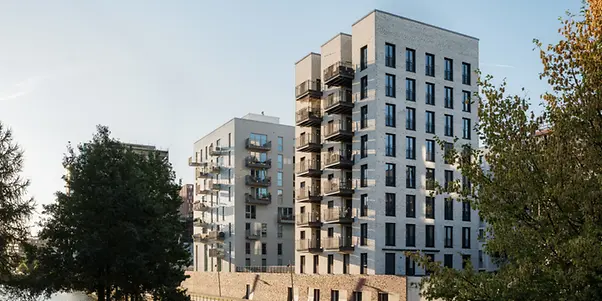
The “Belle Harbour” residential project located in the heart of Hamburg's HafenCity combines architecture, sustainability and social responsibility in an exemplary fashion. The slimline residential tower with its clearly structured façade, vertical cut-outs for balconies and striking crown with a roof garden gives the cityscape an impressive accent and at the same time makes a statement about sustainable construction and inclusive living.
项目案例详情

建筑类型 公寓
产品 通风
旭格系统 AD UP 90 AWS 90.SI+ AWS 120 CC.SI AWS 70.HI VentoAir VentoFrame
特征 新建建筑 循环性 无障碍设计
地点 Hamburg, Hamburg
竣工时间 2024
建筑师 Winking Froh Architekten GmbH
专业公司 Geerds Metallbau GmbH
图片版权 Architekturfotografie Bach

Inclusive accommodation

Developed by Berlin-based architectural practice Winking Froh Architekten, Belle Harbour comprises seventeen apartments, communal areas and a roof terrace, which are designed as areas for families and partially-sighted people to share together. The building structure of the residential tower is characterised by sculptured cut-outs that open up to generous balconies for the residents and, at the same time, emphasise the vertical effect of the building. The heart of the building is the enormous roof space with a garden and communal terrace. This is where the concept of inclusive, community-based living comes together: a place where people with and without visual impairments live together, supported by barrier-free planning, special orientation aids and complementary mobility and learning services.

Completely circular

Forming the foundation for the Belle Harbour project are the HafenCity Hamburg environmental label requirements, which span five categories and consider the recyclability and environmental impact of materials. “We take the requirements of HafenCity very seriously,” emphasises Dr Stephanie Gamm, Founder and Project Manager of Belle Harbour. “We consider every material in terms of its life cycle – from manufacture to the possibility of dismantling. Our aim is to avoid grey energy, reduce CO emissions and choose construction materials that can be separated and reused later on. This creates a house that is not only efficient in its operation but could become part of the material cycle itself one day.”

Panoramabild eines modernen Beton Hauses mir großen Schüco Fenstern

Window profiles with a special story

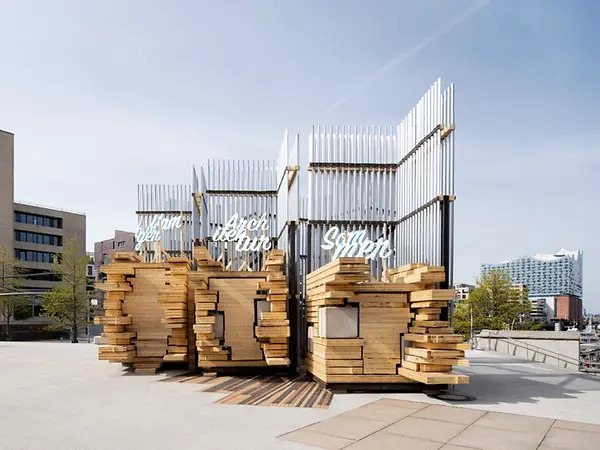
The window profiles are an even more impressive feature of Belle Harbour's evolutionary story. About 500 aluminium profiles, around 160 of which are windows, had already lived through their first service life. However, they were not initially construction units, instead forming part of the art installation at Hamburg's Summer of Architecture 2023. The artist collective known as umschichten had erected a pavilion made of aluminium and wood on the Magellan Terraces in the immediate vicinity of the Elbphilharmonie concert hall. Despite normally being used for windows, the profiles were incorporated into an expansive sculpture that served as a stage, meeting spot and place for reflection. “Our projects that address the circular economy are characterised by their careful use of materials but always under the premise that they can be dismantled, sorted and reused elsewhere. Ultimately, this encourages an appreciation for our resources," says artist Lukasz Lendzinski, referring to the message behind the installation.

Buildings are raw material stores of the future

At the end of the architectural festival, the aluminium profiles were dismantled and sorted, then stored, checked and re-coated. Eventually, they were filtered back into the production process and turned into window frames by Geerds Metallbau. They then found their final destination in the Belle Harbour project. “The profiles were processed in the same way as new material,” explains Karl Geerds. “We noticed no differences in either production or assembly.” The quality inspection that was coordinated by Schüco as well as the coating manufacturer's report confirmed that the recovered profiles are fully usable. “This was a real pilot project for us,” added Geerds. “It shows that recycling is possible in the aluminium industry without any technical issues – and without a loss in quality too.”

100_208634_AD_Up_75_m_Rauchschutz

Pilot project for a creative circular economy

Schüco considers this project an example of the future of construction: “Buildings are raw material stores. Everything that we have installed here will still be of value at the end of the building's lifetime,” highlights Jochen Strellmann, who is Head of Project Business in Hamburg. Thanks to state-of-the-art separating and sorting methods, aluminium windows can be almost completely recycled, with as much as 98% of materials fed back into the material cycle. “This temporary use of profiles supports the idea that buildings are raw material stores – and that this raw material is also a recyclable material, which can be reused at the end of its service life," summarises Strellmann.

A focus on appreciating resources

Belle Harbour is setting new standards in a number of ways, including architecturally, socially and economically. The journey of these aluminium profiles – from the art installation through to their dismantling and reuse – is a prime example of a new approach to resources. True to the Hamburg Summer of Architecture motto of ‘Restructure’ for materials, architecture and cities, this temporary art project was transformed into a permanent building block for sustainable living.

产品信息

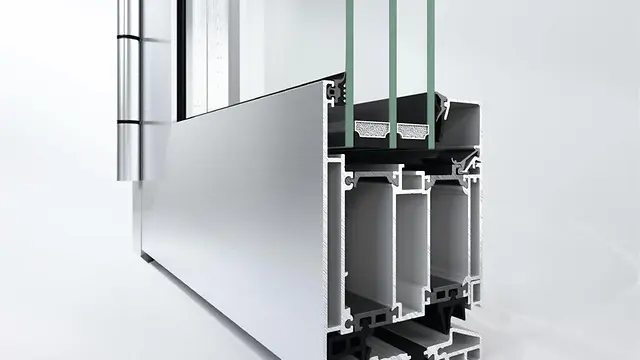
AD UP 90

旭格AD UP 90门系统

引领未来的高性能门系统,适用于私人住宅和商建项目

针对要求最严格的住宅和商建项目所开发的解决方案:稳定性极高的旭格AD UP 90门系统结构深度为90 mm,基于3层型材结构原理,具有双层中间密封系统,保障极高能效、发挥卓越的隔热和密封性能。

系统保证最大的设计和规划自由,为所有应用领域提供功能极强、舒适、注重设计的门系统解决方案,例如带包扇嵌板、隐藏式门合页并嵌入门通讯系统的入户门。

了解更多​

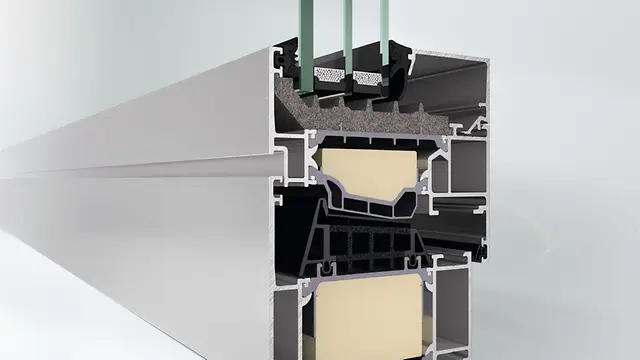
AWS 90.SI+

旭格AWS 90.SI+窗系统

卓越的隔热性能,实现设计自由

旭格AWS 90.SI超隔热窗系统在满足结构要求的同时创造最大的建筑设计空间,优化隔热,达到被动房认证水准。

这个结构深度为90 mm的铝合金窗系统作为旭格AWS窗系统平台的一部分具有极高的灵活性,为建筑外立面解决案提供美观的设计解决方案:根据不同建筑要求可作为洞口窗、带状窗或塞窗整合进旭格幕墙系统,或和旭格门系统组合。

提供多种开启类型,包括平开、内开内倒、内倾推拉或作为无障碍开启单元和双扇单元。

对开发商和建筑师还有另一项优势,系统平台提供众多的型材产品,例如组角竖框、结构竖框、对称和不对称竖框,此外还有更多与其他旭格产品的组合方案,例如与旭格遮阳系统或旭格通风系统组合。

因此这个超隔热窗系统为规划灵活度设定新标准,打造注重设计的节能建筑外立面。

了解更多​

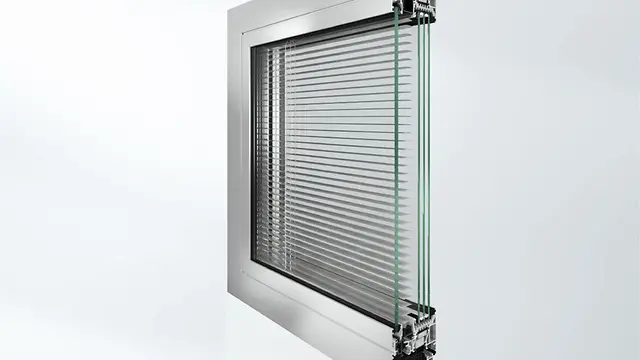
AWS 120 CC.SI

旭格AWS 120 CC.SI窗系统

经优化的旭格复合窗系统,高程度整合舒适度和调节气候功能

整合旭格遮阳CCB(隐藏式复合百叶)的旭格AWS 120 CC.SI超隔热复合窗系统是一个经过优化的综合节能建筑解决方案。它的隔热性能达到被动房水准,可不受天气影响进行遮阳、防眩光并提供极佳的对外视野。百叶卷起时几乎不外露,放下时侧面不会有阳光射入,这让旭格AWS 120 CC.SI窗系统满足极高的设计要求,内视和外视效果极佳。也可实现美观的隐框设计。

了解更多​

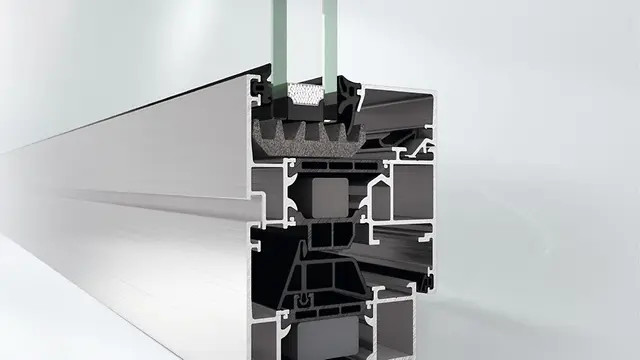
AWS 70.HI

旭格AWS 70.HI窗系统

高隔热的窗系统,提供多种出众的解决方案

旭格AWS 70.HI高隔热窗系统作为旭格AWS窗系统平台的一部分提供多样化的解决方案,发挥良好的隔热性能,结构深度为70 mm。

基于将功能特征与能效及美观设计完美结合的铝合金系统组件,发挥良好隔热性能,如纤细可视面宽度与隐藏式经典手动或电动五金件组合应用于内开和外开窗。

系统具有极高的灵活性,为建筑外立面实现各种应用,可作为洞口窗、带状窗或幕墙塞窗,抑或与旭格门系统组合使用。

对开发商和建筑师还有另一项优势,该窗系统能实现多种开启类型,如曲柄操作的内开内倒扇、下悬上亮或无障碍窗式门。

作为系统平台的组成部分,该窗系统提供众多的型材产品,例如组角竖框、结构竖框、对称和不对称竖框,此外还有各种设计类型以及更多与其他旭格产品的组合方案,例如与旭格遮阳系统或旭格通风系统组合。

因此旭格AWS 70.HI为规划灵活度设定新标准,打造美观的窗系统解决方案,满足节能建筑外立面的需求。

了解更多​

VentoAir

旭格VentoAir通风系统

用于窗槽口区域自行控制的机械通风扇

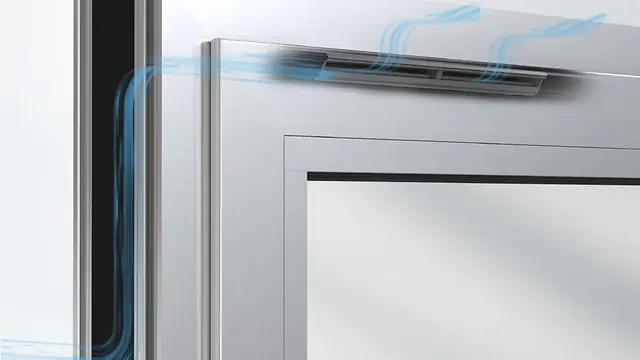
旭格VentoAir在不影响用户作息的情况下为住宅持续置换空气并提供除湿功能,防止因有害于健康的霉菌所造成的昂贵损失。

这个纯机械通风系统的工作原理是基于平衡室内外的压力差。

风速强劲时,通风扇罩盖会自动控制进入室内的空气量,以免造成不舒适的穿堂风。

系统几乎完全隐藏在中间密封胶条区域:水平地安装在顶部或在侧面外框槽口区域。

该通风系统还能与通风井或排气系统连接,满足防潮的基本要求。

了解更多​

VentoFrame

旭格VentoFrame通风系统

整合进外框、自行控制的通风扇,提供健康的室内气候环境

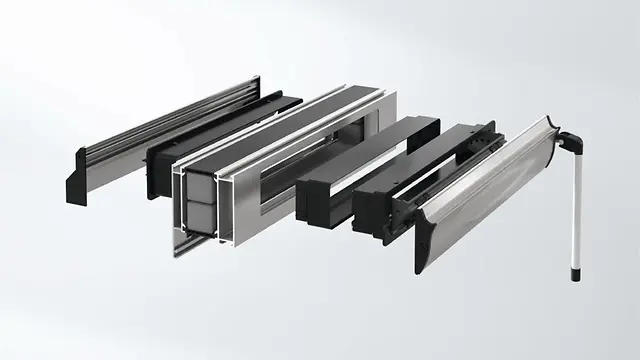
模块化的通风系统灵活提供多种通风扇,在不影响用户作息的情况下完美控制空气置换,为室内提供适宜的新鲜空气。这样一来,使建筑及用户获得充足的新鲜空气,并避免霉菌滋生。

系统安装在外框型材中,几乎全隐藏式整合进窗系统。

系统通过一个可自己调节的通风盖对建筑中及周围的风力变化独立做出反应,保障持久的空气置换,不会造成穿堂风。

旭格VentoFrame为新建筑和翻新改造项目提供创新的经济型解决方案,给人留下深刻印象。这样一来,即使是低成本投资也能实现简单的通风概念。

了解更多​