EUREF-Gasometer

Industrial landmark as a structural statement of the energy revolution

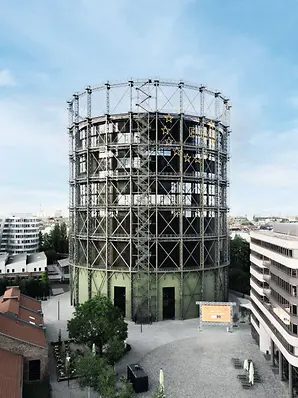
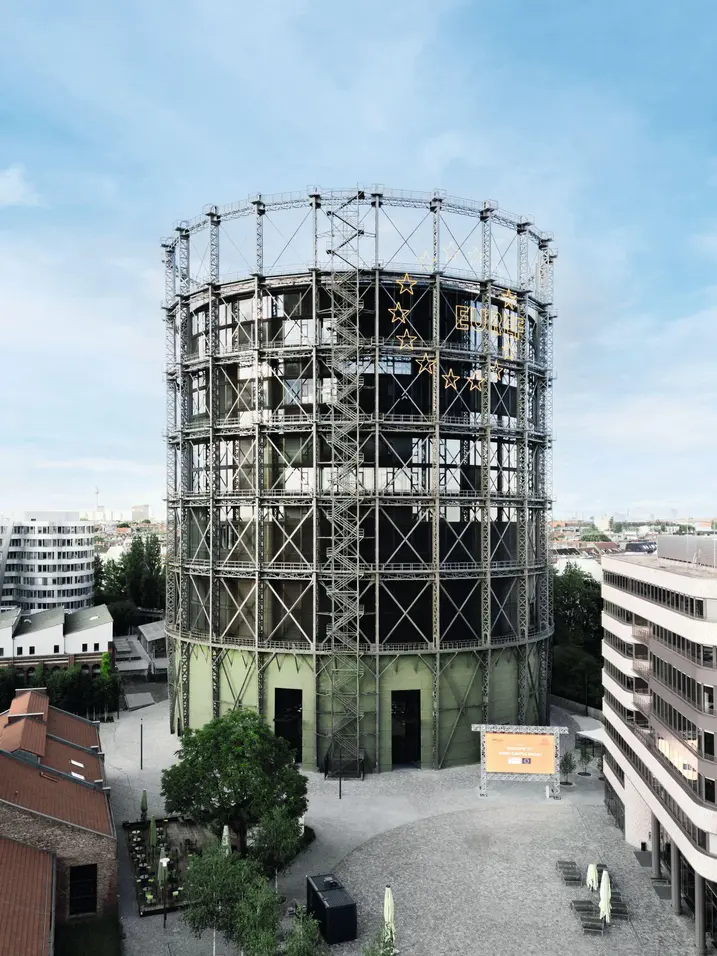
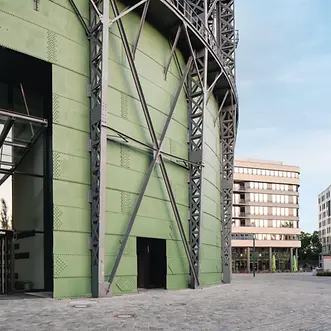
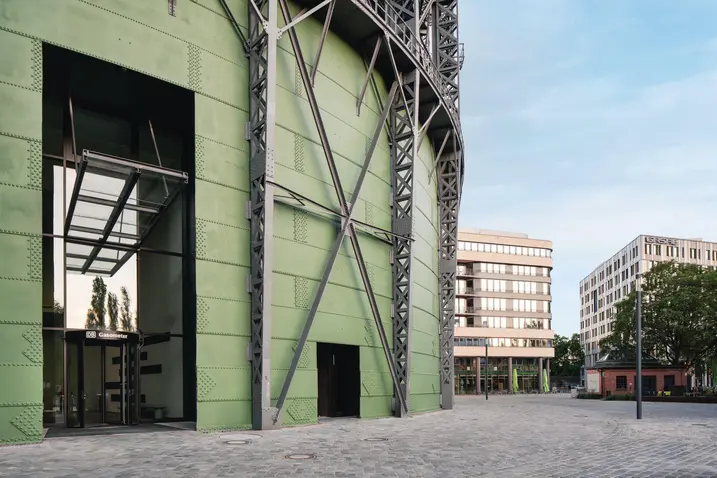
Once a symbol of the Industrial Age, the Gasometer in Berlin Schöneberg has undergone a complete renovation to become an office and events centre. To do this, an office tower with 35,000 m2 of usable space was integrated into the listed steel structure. A high level of prefabrication ensured both precision and efficient installation. 

Informacje o obiekcie referencyjnym

Rodzaj budynku Dzielnice i obiekty wielofunkcyjne
Rodzaje produktów Okna Drzwi Fasady Ochrona przeciwsłoneczna
Systemy Schüco FWS 50 ADS 75 HD.HI AWS 75.SI+ AD UP 75 AWS 65 BS Schüco CTB na Schüco AWS AF UDC 80
Cechy Modernizacja Design i estetyka
Lokalizacja Berlin, Berlin
Zakończenie 2023
Architekci EUREF-Consulting Gesellschaft von Architekten und Ingenieuren
Firma specjalistyczna FKN Fassaden
Zdjęcia © Stefan Brückner

Important example of industrial architecture

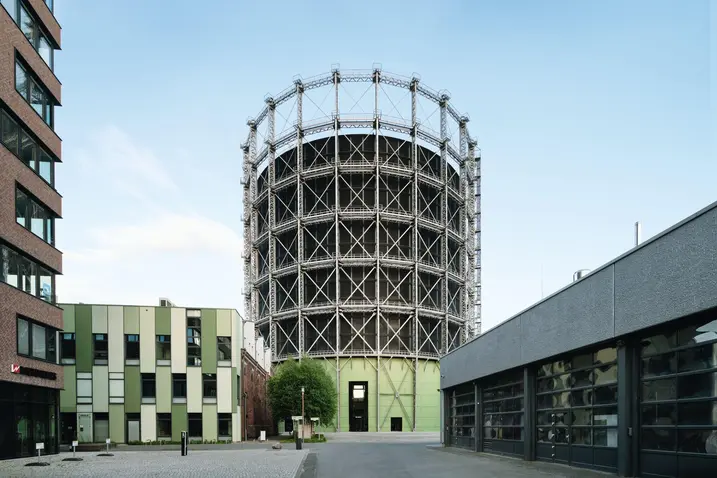
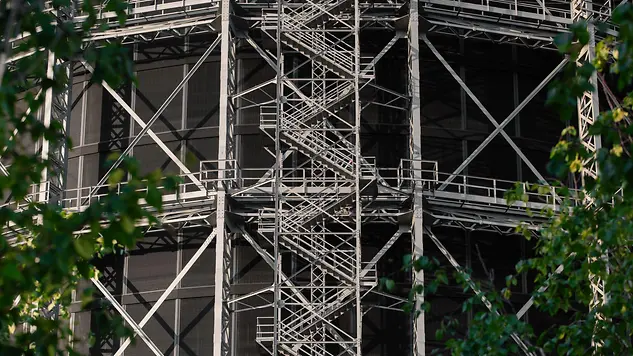
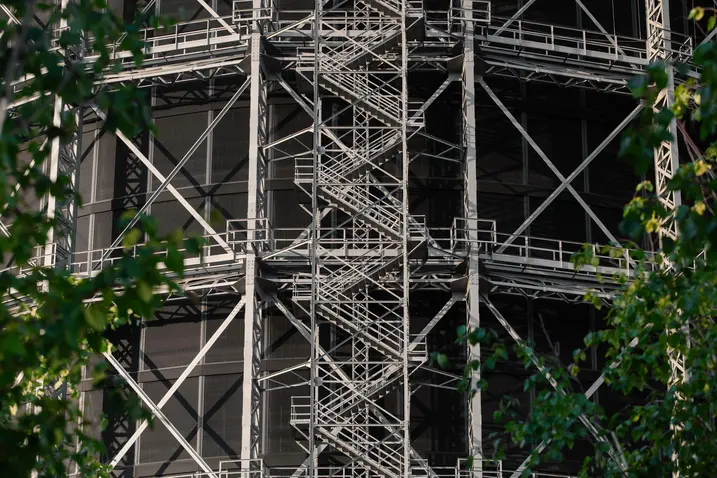
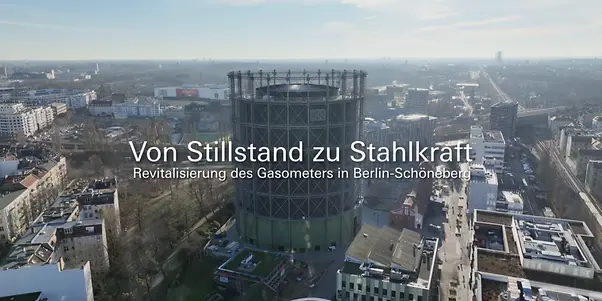
Constructed between 1908 and 1910, the gas tanks supplied the city with gas for decades and could store up to 160,000 cubic metres of fuel. The imposing steel structure, which was granted listed building status in 1994, has been a defining feature of the cityscape as a symbol of Berlin's Industrial Age. After being decommissioned, however, the building stood empty for a long time – until the site became part of the EUREF-Campus innovation park and the new owners presented a project to re-design the landmark.

New concept for use in a historic steel frame

The comprehensive renovation of the enormous gas tank commenced in 2007. The iconic steel construction was fully preserved, while the space on the inside was radically re-designed: a 15-storey office tower with around 35,000 m² of usable space was integrated into the circular floor plan – visually floating within the old ring and maintaining a respectful distance of one metre from the original structure. This created modern office spaces, flexible-use event areas and an apartment on the upper floor. This means the Gasometer is equipped to meet the requirements of the 21st Century, without sacrificing its former character.

Maximum flexibility with the highest level of system reliability

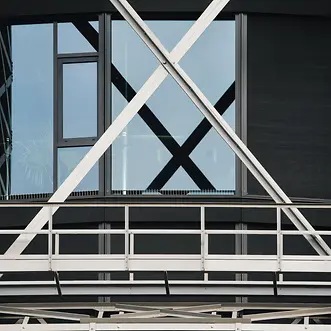
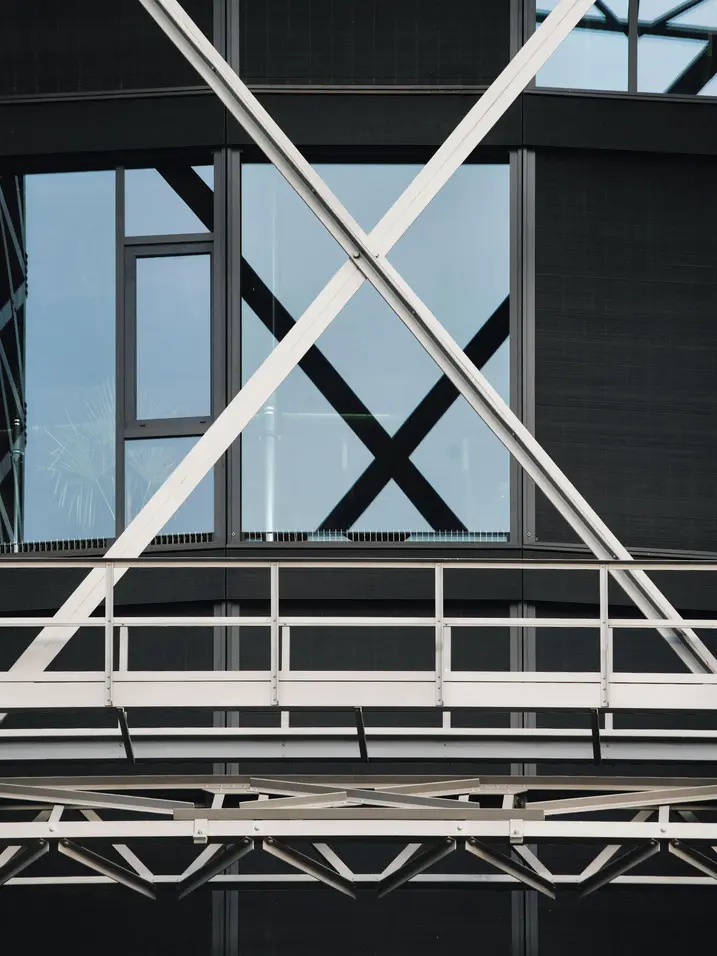
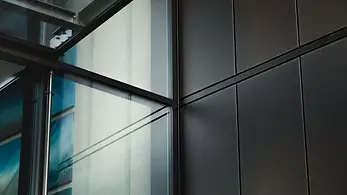
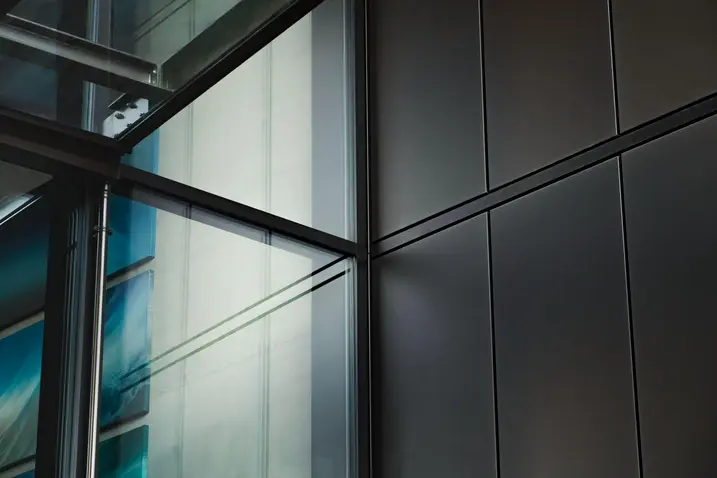
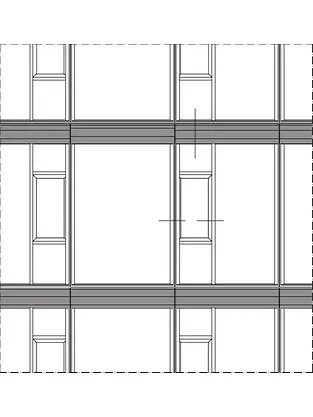
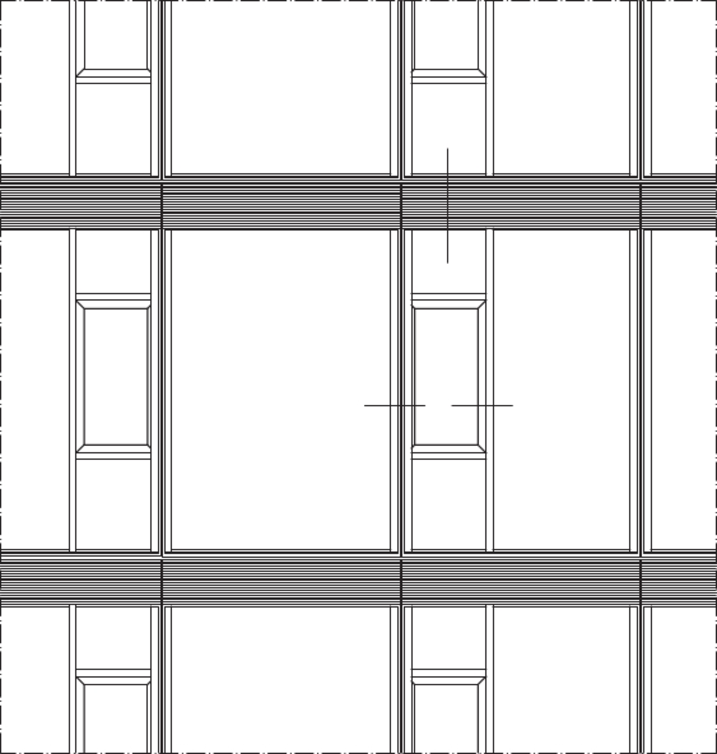
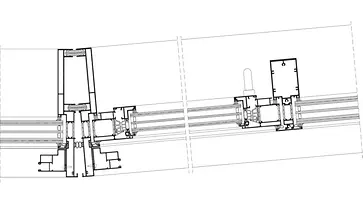
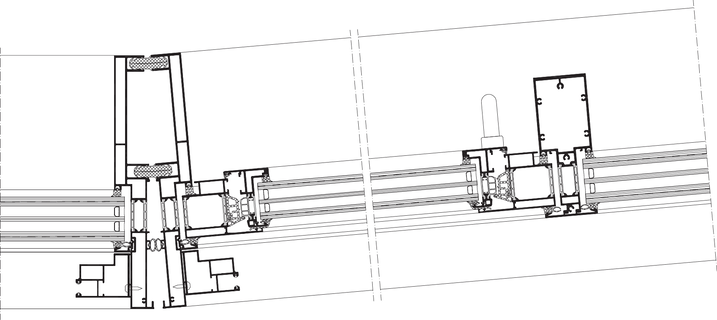
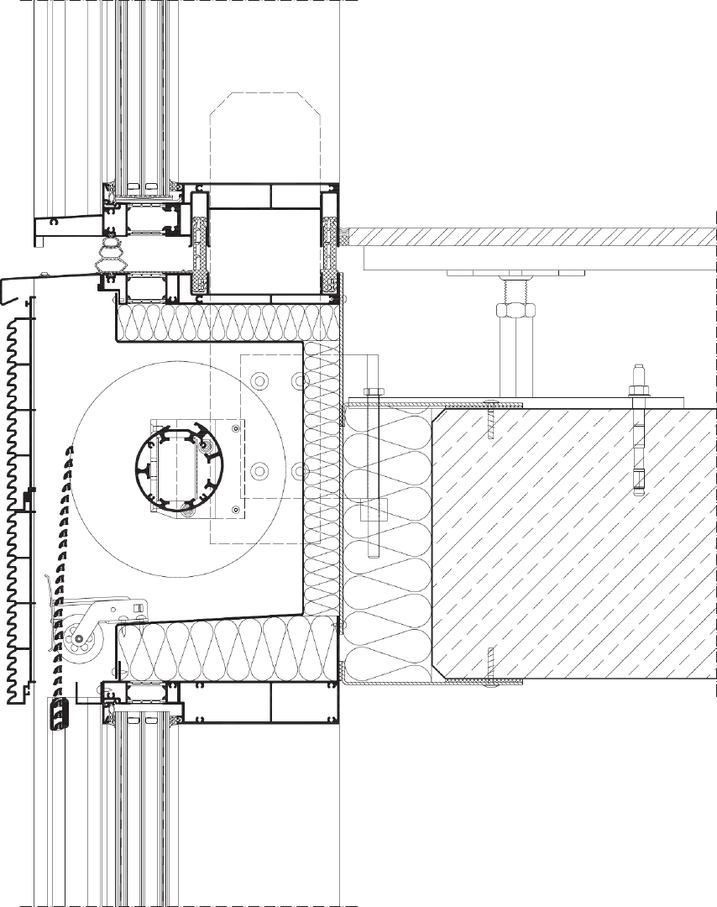
The façade construction in particular shapes the appearance of the new office building: the closed glass façade engages in an exciting way with the historic steel structure. Built as a special construction, the unitised façade features smooth curves, slimline profile face widths and uniform façade lines that come together to create a timeless design. Thanks to the tested system structure with engineered attachment details at the fixing points and clearly defined interfaces, the project could be fully controlled at all times, even within the confined space on site. The large wind loads at a height of over 70 metres and the accompanying loads for external sun shading also had to be considered. CTB from Schüco is able to withstand these loads and creates a balance between climate protection, the use of natural light and a restrained design for increased user comfort.

Informacje o produkcie

FWS 50

System fasad Schüco FWS 50

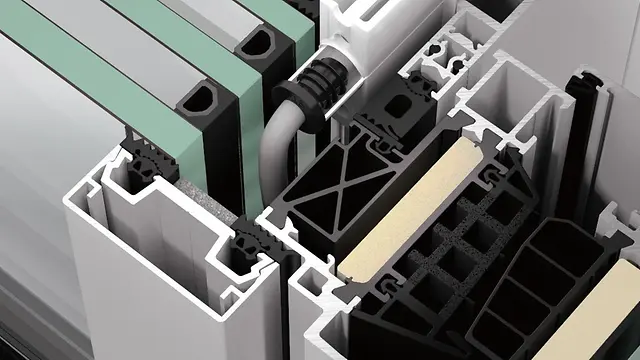
Nowa fasada słupowo-ryglowa Schüco FWS 50 łączy prostotę obróbki z najlepszą efektywnością energetyczną na poziomie budownictwa pasywnego.

Fasada Schüco FWS 50 wyznacza nowe standardy w zakresie obróbki i efektywności energetycznej. Dobrze sprawdzone systemy zostały udoskonalone przede wszystkim pod kątem wygodniejszej obróbki w warsztacie i na budowie. Nowe, prefabrykowane komponenty systemowe zapewniają np. znacznie szybsze, a tym samym bardziej wydajne wykonawstwo.

Dowiedz się więcej

ADS 75 HD.HI

System drzwiowy Schüco ADS 75 HD.HI

Wielofunkcyjne, wielkoformatowe drzwi do obiektów o dużym natężeniu ruchu

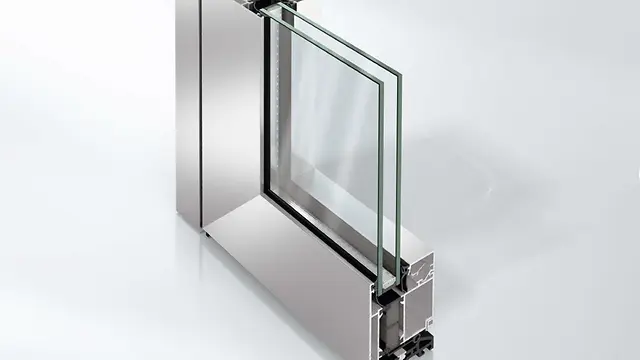
System drzwi aluminiowych Schüco ADS 75 HD.HI (Heavy Duty High Insulated) łączy w sobie maksymalną trwałość z wielofunkcyjnością i atrakcyjnymi możliwościami projektowymi. Doskonale sprawdza się w obiektach o wysokich wymaganiach w zakresie bezpieczeństwa.

Dowiedz się więcej

AWS 75.SI+

System okienny Schüco AWS 75.SI+

Lepsza izolacyjność cieplna, bezpieczeństwo i produkcja

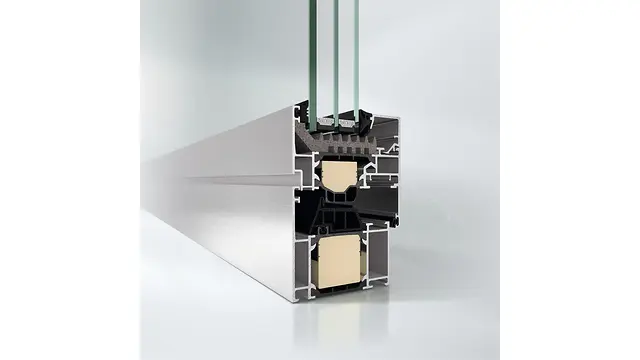
Zoptymalizowany standardowy system okienny Schüco AWS 75.SI+ (Super Insulated) o głębokości zabudowy 75 mm jest częścią platformy systemowej Schüco AWS i stanowi bazę dla szerokiego zakresu zastosowań w energooszczędnych przegrodach budowlanych. W zależności od wymagań architektonicznych, wysoko izolowany system aluminiowy może być stosowany jako okna elewacyjne, okna wstęgowe, wpinane w fasadę lub łączony z systemami drzwiowymi Schüco.

Dowiedz się więcej

AD UP 75

System drzwiowy Schüco AD UP 75

System drzwi o uniwersalnym przeznaczeniu: od obiektów komercyjnych o dużym natężeniu ruchu po budownictwo mieszkaniowe

System drzwiowy Schüco AD UP 75 o głębokości zabudowy 75 mm, oferuje doskonałą izolacyjność cieplną w połączeniu z dużą stabilnością. Ponadto zapewnia wysoką niezawodność funkcjonalną wymaganą we wszystkich obszarach budownictwa mieszkaniowego i komercyjnego o wysokim standardzie.

Dowiedz się więcej

CTB on AWS

System przeciwsłoneczny Schüco CTB nad oknami Schüco AWS

Nadstawny system aluminiowych mikrolameli zapewniający optymalne zacienienie

System osłon przeciwsłonecznych Schüco CTB (Concealed Toughened Blind) idealnie nadaje się do stosowania w budynkach biurowych i administracyjnych lub w domach prywatnych. Osłona jest umieszczona w termoizolowanej skrzynce nad oknem Schüco AWS i doskonale wpasowuje się w wygląd budynku. Przy całkowitym podniesieniu osłony, jest ona niewidoczna dzięki integracji ze skrzynką.

Dowiedz się więcej

AF UDC 80

System fasad Schüco AF UDC 80

Dynamiczna fasada elementowa o dużej swobodzie projektowania

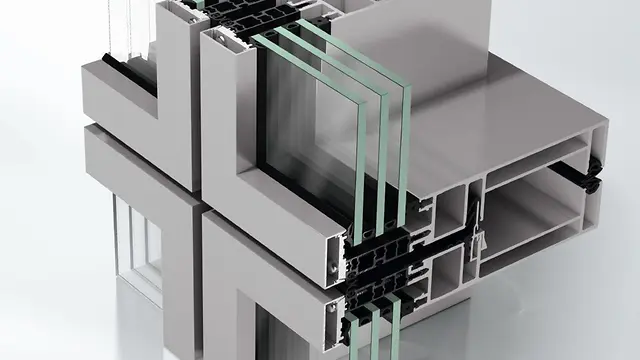
System fasadowy Schüco AF UDC 80 (Aluminium Façade Unitized Dynamic Construction) stanowi część platformy aluminiowych fasad elementowych Schüco AF UDC 80. Dzięki skalowalnym i przetestowanym zespołom dynamiczny system oferuje architektom, projektantom i wykonawcom łatwy sposób realizacji inwestycji budowlanych z fasadami elementowymi o szerokiej gamie zastosowań i opcji projektowych opartych na racjonalnym planowaniu i obróbce.

Dowiedz się więcej

High level of prefabrication enables precision as well as installation in record time

The façade units were fully prefabricated in the workshop, complete with glazing, gasket levels and mechanical attachments, then delivered to the building site ready for installation. This ensured fabrication was possible in any weather with the best machining quality and easy-to-calculate costs. The high level of prefabrication greatly simplified the construction site logistics, reduced installation times to a minimum and ensured that even an extraordinary building like the Gasometer could be fitted with an attractive, energy-efficient building envelope in a very short period of time. Its incredible installation scenario – with only one metre's width of space between the steel construction and building shell – was handled with confidence. A specially developed track system transported the units, which were up to eight metres tall and two tonnes in weight, precisely around the building before they were craned in at their installation height. The unitised construction method enabled fast, reliable and ultra-precise installation – a key factor for a project of this scale.

A landmark that preserves history and shapes the future

Thanks to the comprehensive renovation, the Gasometer has become a symbol of a new beginning. The building is now the central element of the EUREF Campus, supporting digitalisation, innovative energy use and international meetings with stunning panoramic views over Berlin. The project proves that the architecturally complex re-designing of decommissioned gasometers can be an economical, reliable and sustainable process, while also offering inspiration for the conversion of numerous other industrial buildings that are waiting for their future.