76 Southbank

Brutalist icon skilfully revitalised

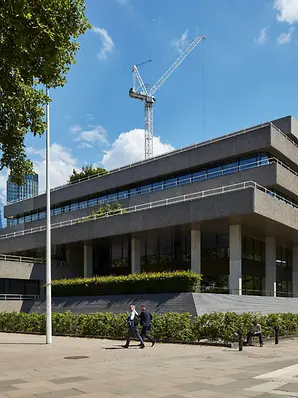
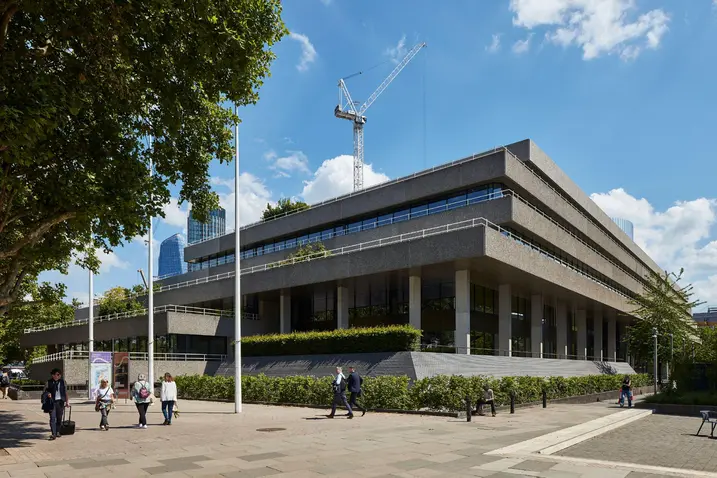
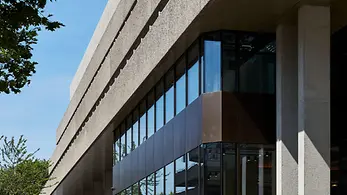
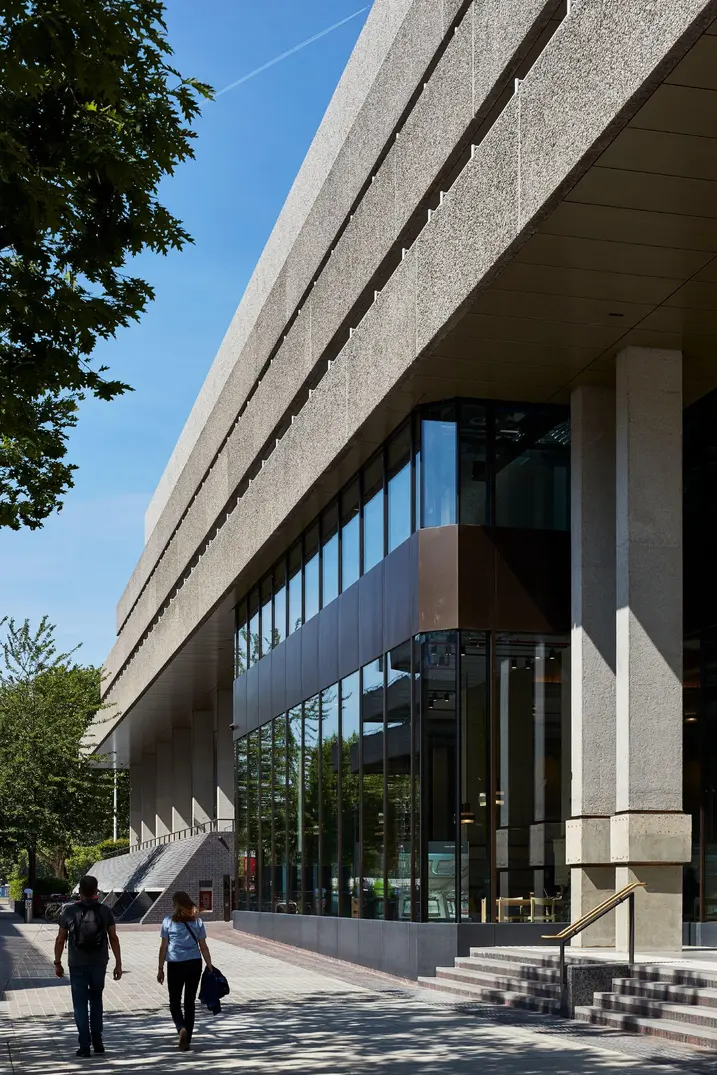
The former IBM headquarters building on London's South Bank is a prominent example of Brutalist architecture. In recent years, the listed complex has been sensitively extended, updated for energy efficiency and adapted to meet the requirements of a modern office environment – all while taking sustainability into account and with respect for its architectural significance.
Detaljer om referansen

Bygningstype Kontor og administrasjon
Produktområder Vinduer Dører Fasader Solskjerming Bygningsautomasjon
Schüco-systemer ADS 90.SI FWS 50.SI AWS 70.HI FWS 60 FWS 50 ADS 80 FR 30 AD UP 75
Egenskaper Renovering Dekarbonisering Brannsikkerhet
Sted London, United Kingdom
Ferdigstillelse 2023
Arkitekt AHMM - Allford Hall Monaghan Morris (AHMM)
Forhandler Dane Architectural Systems Holdings
Foto © Rob Parrish

Iconic ensemble under scrutiny

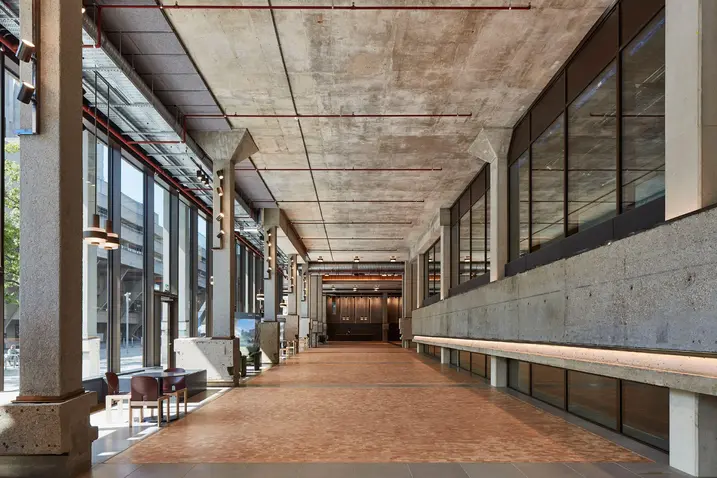
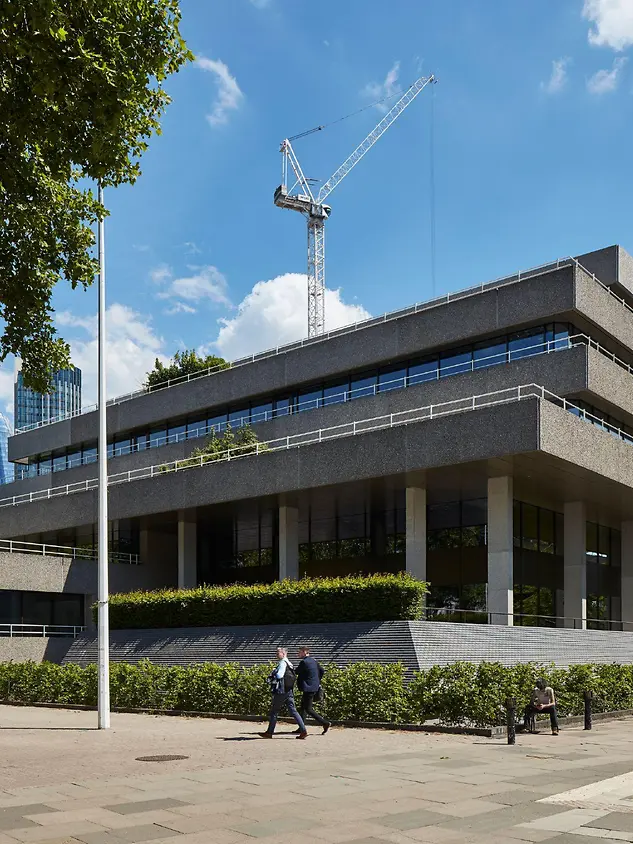
Among the most significant cultural establishments on the South Bank area on the southern banks of the River Thames is the National Theatre, constructed in 1976 in line with architect Denys Lasdun's design. In 1983, Lasdun completed his vision on the neighbouring with the construction of the IBM Marketing Centre. The two buildings impress as a late Brutalist ensemble with balanced symmetry, horizontal lines, rough exposed concrete surfaces and imposing concrete structures. To prevent its partial demolition after IBM moved out, the City of London granted the former IBM building listed status in 2020, as it had the National Theatre in 1994. The architectural practice AHMM revised its conversion concept and promised the retention of 80% of the original fabric of the building.

Further development as a strategic aim

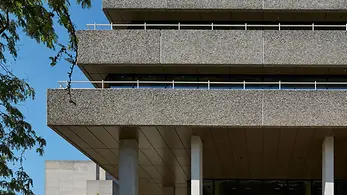
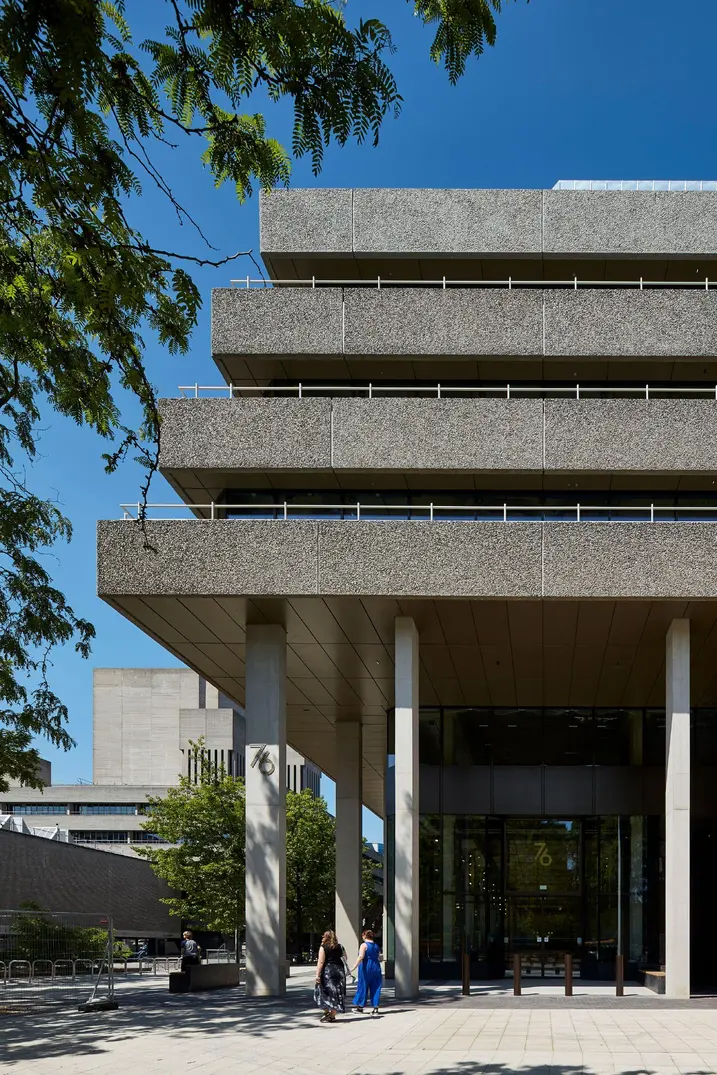
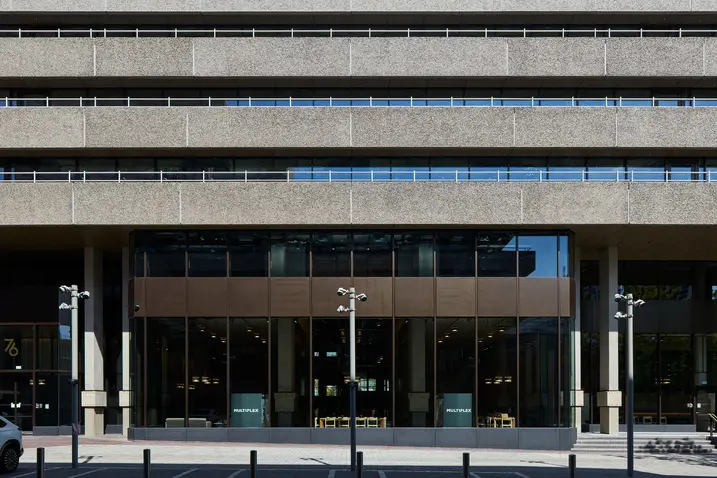
The asymmetric building structure of the old complex featured offset storeys to the north and south, which created wide terraces. Brown bricks were applied beneath podium level, while in the upper storeys the continuous ribbon windows and exposed aggregate concrete spandrels matched the horizontal lines of the adjacent theatre. Plant towers with a pure concrete appearance formed sculptural elements on the roof. For the strategic development of the project by Stanhope PLC, the project now known as “76 Southbank” provided all the key aspects for a site remodelling geared towards sustainability: retention of the existing structure and value enhancement through renovation, as well as revitalisation and reinvention of a building steeped in history in accordance with listed building requirements, with major benefits for urban renewal.

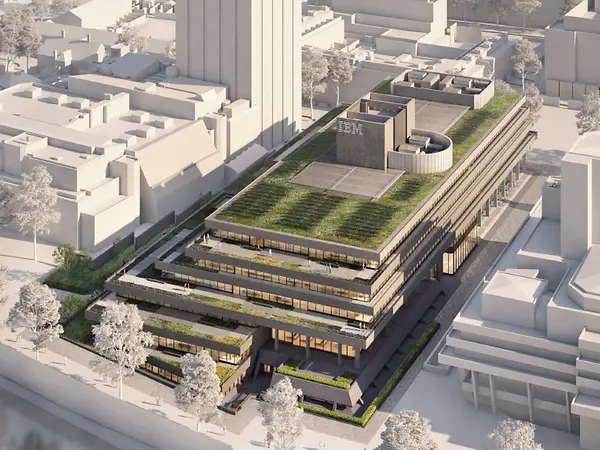
The revised renovation plan envisages an additional storey. ©Secchi Smith

Analysis of the existing building and new plans

The new concept from AHMM envisaged a sensitive modernisation. Following a low-carbon core renovation and energy efficiency upgrade, the floor space was to be increased by 11,000 m2 by adding a new storey on top and by extending out to the south and east, creating new highly efficient, flexibly designed office spaces. To meet the exacting sustainability targets, the embedded carbon emissions in the existing building and the amount of waste generated during gutting needed to be reduced as much as possible. To do this, all of the construction materials from the existing structure and for the newbuild were subject to a comprehensive assessment with regard to their ecological footprint, with some extensive environmental compatibility tests being carried out if there were no EPDs available.

Produktinformasjon

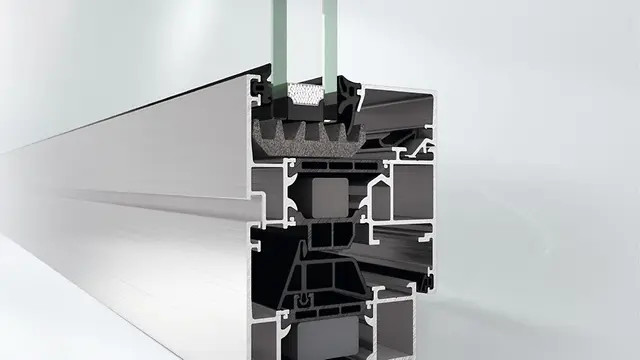
FWS 50.SI

Schüco Fasadesystem FWS 50.SI

Profilintegrert systemløsning for fransk balkong med stor kreativ frihet og god varmeisolering

Schüco fasaden FWS 50 består av et omfattende produktsortiment som innebærer fleksibilitet med hensyn til fasadeuttrykk, funksjoner og bærende egenskaper. FWS 50 SI med sine godt isolerende egenskaper muliggjør Uf-verdier på passivhusnivå. Produksjons- og montasjeprosesser er optimalisert takket være kontinuerlig videreutvikling.

Les mer

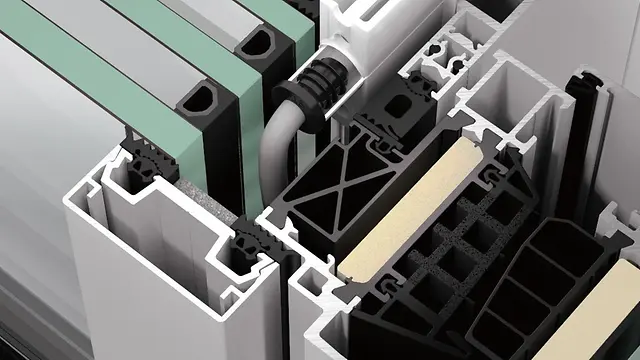
AWS 70.HI

Schüco Vindussystem AWS 70.HI

Et universalsystem med et bredt utvalg av profiler

AWS 70.HI er et isolert dør- og vindussystem i aluminium med 70 mm byggedybde og et bredt utvalg av profiler. Dette gjør det til et universalsystem som egner seg til alt fra enkeltvinduer, via vindusbånd og glassvegger til inngangspartier og en lang rekke dørløsninger.

Les mer

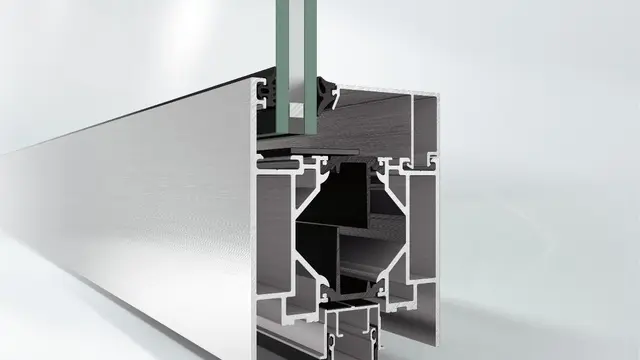
FWS 60

Schüco Fasadesystem FWS 60

En ny generasjon av klassiske og etasjehøye vindusbånd med et bredt spekter av bruksområder – maksimalt utsyn, smale profilbredder og høy funksjonalitet inklusive.

Stadig høyere etterspørsel og krav til støy- og varmeisolering har i de senere årene ført til dominerende vindusprofiler. Det har virket umulig å konbinere gjennomgående smale profiler med de økende tekniske kravene. Nå har Schüco med det nye fasadesystemet Schüco FWS 60 CV (Concealed Vent) lykkes i å finne en revolusjonerende løsning for vindusbånd, hvor man kombinerer slanke profilbredder med høy funksjonalitet og optimal varmeisolering. Siden vindusrammen er integrert i bærekonstruksjonen, får brukeren maksimalt utsyn. Samtidig er det umulig å skille mellom åpningsvindu og fastkarm utenfra, noe som er unikt for bransjen. På innsiden blir åpningselementene bare synlige ved hjelp av en smal skyggefuge og vindusvrideren.

Les mer

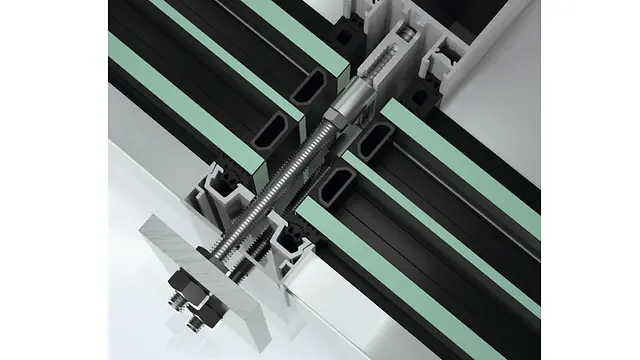
FWS 50

Schüco Fasadesystem FWS 50

Schüco FWS 50 post-riegel-fasade forener enkel produksjon med den beste energieffektiviteten på passivhus-nivå

Schüco FWS 50 fasade setter nye standarder for produksjon og energieffektivitet. Ved videreutviklingen av de kjente FW-systemene, var fokus spesielt rettet mot forenkling av produksjonen i verkstedet og på byggeplassen. Nye prefabrikkerte systemkomponenter sikrer for eksempel vesentlig raskere, og dermed mer effektiv, produksjonsprosess i verkstedet.

Les mer

ADS 80 FR 30

Schüco Dørsystem ADS 80 FR 30

Isolert dør/fastfelt med 30 minutters brannmotstand

Schüco ADS 80 FR 30 er en branndør/-vegg i aluminium i brannklasse EI30. Systemet har en byggedybde på 80 mm og kan leveres i flere varianter: En- eller tofløyede dører med glass eller tett fylling, med eller uten sidefelt og overlys. Veggparti med glass eller tett fylling, med eller uten isatt dør. Med kanthengsler, utenpåliggende eller skjulte hengsler, integrerte eller utenpåliggende dørlukkere, slagdørautomatikk, panikkbeslag og nødåpningsbryter.

Les mer

AD UP 75

Schüco Dørsystem AD UP 75

En dør med 75 mm profildybde egnet for næringsbygg med høyfrekvent bruk så vel som for et eksklusivt inngangsparti i en bolig

Schüco aluminiumsdør AD UP 75 (universell plattform) kombinerer svært god varmeisolasjon med høy stabilitet og er velegnet for bruk i både bolig- og næringsbygg. Dørens konstruksjonprinsipp sikrer gode statiske egenskaper og yter høy funksjonalitet innen alle bruksområder.

Les mer

Carbon reduction during the renovation

Despite gutting and dismantling the basement and ground floor, it was possible to retain 80% of the concrete structure and therefore prevent carbon emissions that would have been caused by demolition. Over 200 façade units made from concrete or granite were dismantled and either reused in the project or elsewhere; as were 27,360 floor tiles, 95 tonnes of paving stones and 71 tonnes of bricks. New foundations were laid and concrete supports were installed, with ground granulated blast furnace slag sand replacing 50% of the cement. Recycled steel beams and supports weighing were installed and recycled steel was used for the cavity flooring in the offices. The Ultra Low Carbon aluminium from Schüco has saved over 100 tonnes of carbon emissions when compared to standard aluminium. The annual carbon savings are equivalent to 425,000 m² of native forest.

Façade reduces carbon emissions

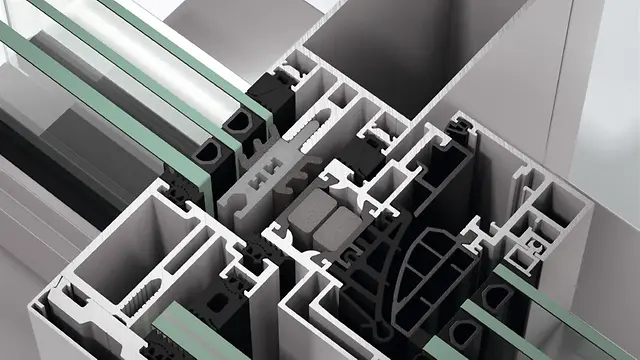
The new façade played a major role in meeting sustainability targets, as it accounts for a considerable proportion of the embodied carbon in the project. Schüco supported Dane Architectural during the early analysis of the existing building by providing project-specific EPDs via SchüCal and, in doing so, enabled the precise analysis of the carbon footprint. Another focus of the collaboration was the use of recycled materials on the project. “We met the sustainability requirements with our Schüco ULC aluminium profiles,” explains Stephen Newell, National Specification Manager. “The profiles have a GWP value of less than 1.99 kg CO₂ e per kg of aluminium and are manufactured from at least 75% recycled post-consumer material.” The façade of 76 Southbank was constructed using the Schüco FWS 60.SI mullion/transom system in the version with surface-mounted cover strips. The ULC aluminium delivered by Schüco in accordance with the allotment process contributed to a saving of 100 tonnes of CO₂ in the carbon footprint.