Battersea Power Station

Metamorphosis of a coal-fired power station

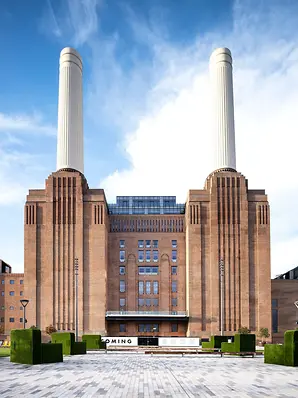
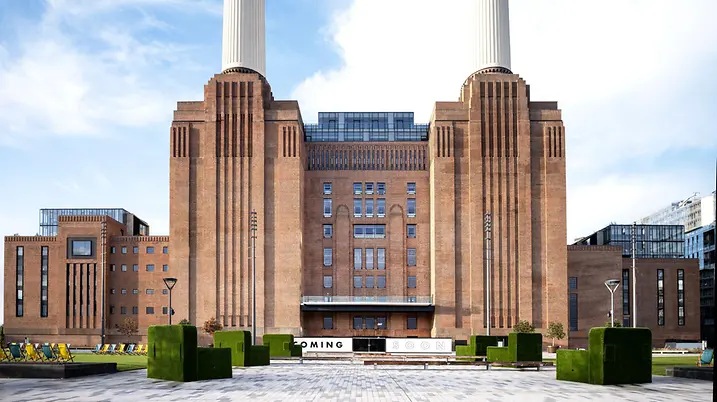
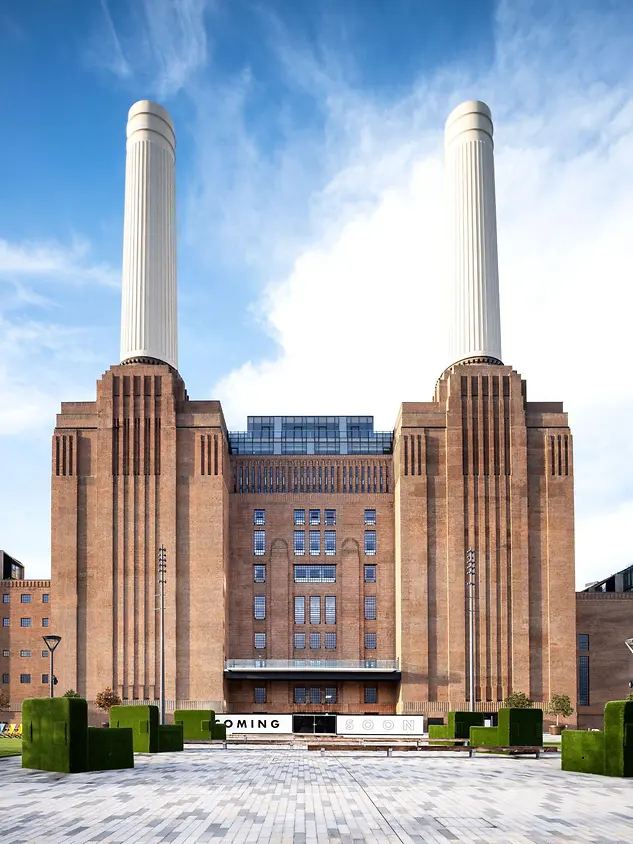
Battersea Power Station is one of London's most famous landmarks. Decommissioned in the 1980s, the coal-fired power station on the south bank of the Thames is being transformed from an industrial wasteland into a dense urban district containing around 4000 apartments, tens of thousands of square metres of office space and a small power station in multiple construction phases.

Detaljer om referencen

Bygningstype Kvarterer og bygninger til blandet brug
Produktkategorier Vinduer Facader Skydedøre
Schüco-systemer VISS TVS vertikal Janisol Arte 2.0 Janisol vindue
Egenskaber Renovering Design og æstetik Berømt bygning
Placering London, United Kingdom
Færdiggørelse 2019
Arkitekter WilkinsonEyre.Architects
Specialvirksomhed Gebrüder Schneider
Billedkredit © Tim Fisher

Complete conversion

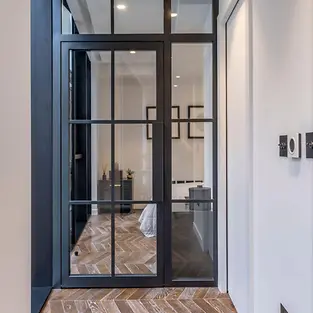
The power station was in operation from 1933 to 1983 and provided London's residents with electricity. After being unoccupied for many years, it was time to decide what to do with the iconic landmark designed by British architect Sir Giles Gilbert Scott. Instead of turbines and boilers, the former power station now houses apartments, offices and shops. With this disruptive approach, the industrial monument brings together a variety of usage types under one roof and is a successful example of a resource-conserving adaptive reuse project.

Wald aus Vogelperspektive mit sich drehenden Pfeilen als Recyclingsymbol

Second construction phase: renovation of the power station building

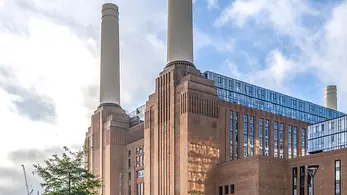
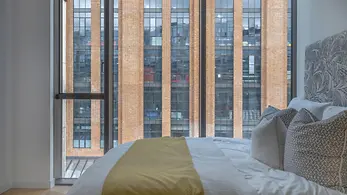
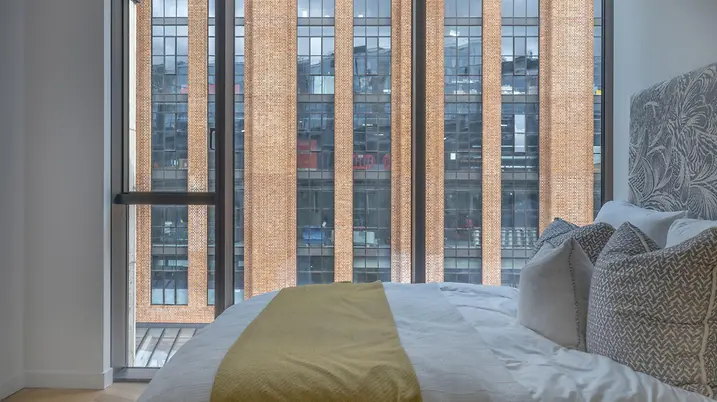
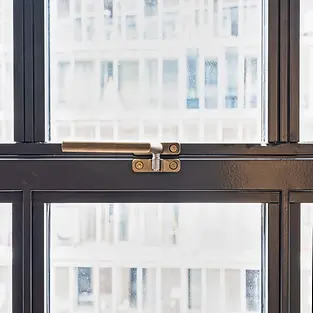
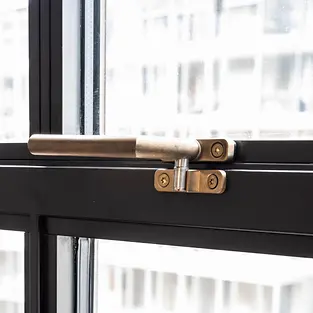
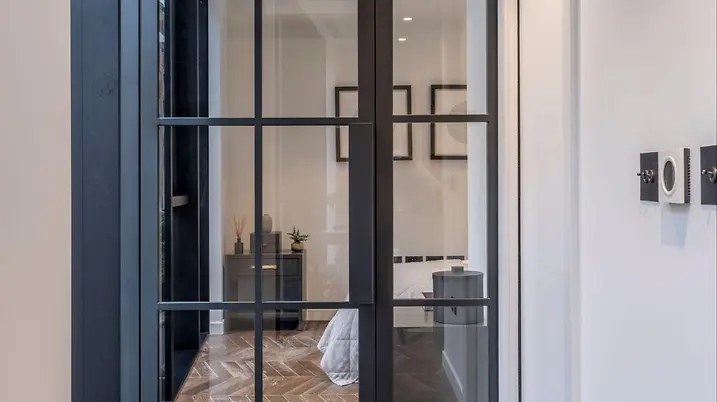
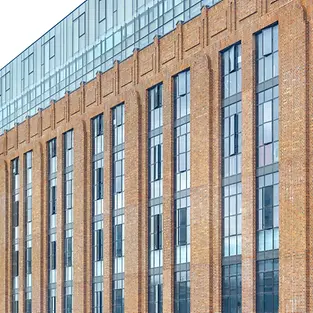
In 2013, the world-renowned firm WilkinsonEyre.Architects was commissioned with the second phase of construction – the renovation of the listed power station building (Grade II*, “a building or structure that is of special interest, warranting every effort to preserve it”). Through a clever combination of preservation and renovation measures, the architects have retained the historic charm of the industrial heritage site, while also adapting it to comply with the latest energy efficiency standards. The new external appearance is emphasised by the so-called "heritage windows"; the 2000 window units were manufactured by seele (UK) Ltd, part of the seele Group based in Gersthofen, according to the historic design from 1930.

Steel – perfect for renovating buildings subject to heritage protection requirements

"After a thorough search, we found the perfect profile to replicate the single glazed Crittall windows from the 1930s and 1950s in Janisol Arte 2.0," says Sebastien Ricard, Project Manager at WilkinsonEyre.Architects. "The system enabled us to retain the original window frames and proportions, but also allowed us to use double insulating glass to meet modern energy efficiency standards. Janisol Arte 2.0 is a slim and elegant system that has proven to be perfect in the highly sensitive context of this famous listed building.”

Produktinformationer

VISS TVS vertical

VISS TVS vertikal

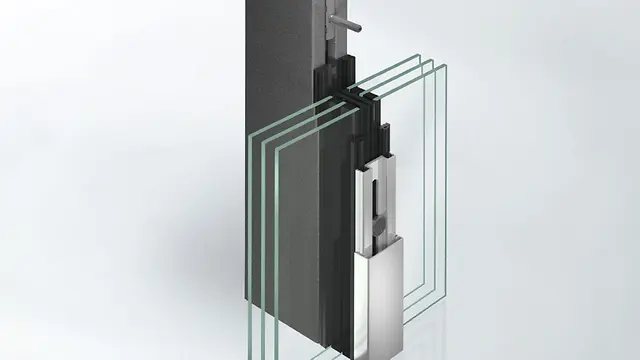
Stålprofilsystemet VISS TVS (profilbredder 50 og 60 mm) kan anvendes til alle former for skrå glasmontering: Lige fra enkle halvtage til krævende geometrier på sadeltage og pyramider. Også superisolerede, lodrette facader med store arealer kan implementer

Læs mere​

Janisol Arte 2.0

Janisol Arte 2.0

Slimline steel windows with attractive material options – for stylish renovations and modern buildings

The Janisol Arte 2.0 steel profile system has been specially conceived for the renovation of industrial and loft glazing, in accordance with the guidelines for listed buildings and to allow the value of the property to be retained. The expanded range of materials with stainless steel and Corten steel profile designs ensures added design freedom.

Læs mere​

Janisol Window

Janisol vindue

Med varmeisolerede Janisol®-vinduer (profildybde 60 mm) bliver kulden garanteret udenfor – uden at begrænse den arkitektoniske og designmæssige frihed. Med denne stålprofilserie kan vinduesrammer fremstilles med alle åbningsarter.

Læs mere​