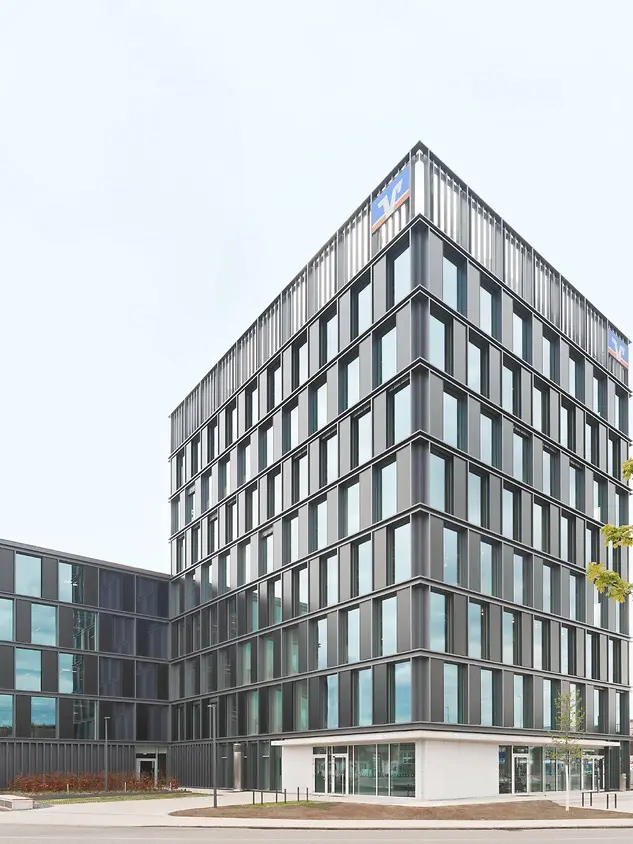
Volksbank Forum

Outstandingly low carbon footprint thanks to BIPV

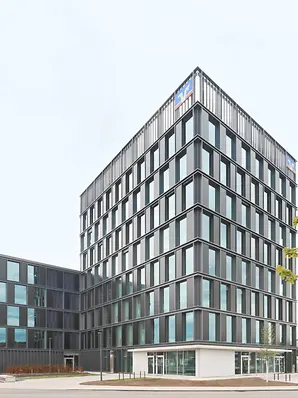
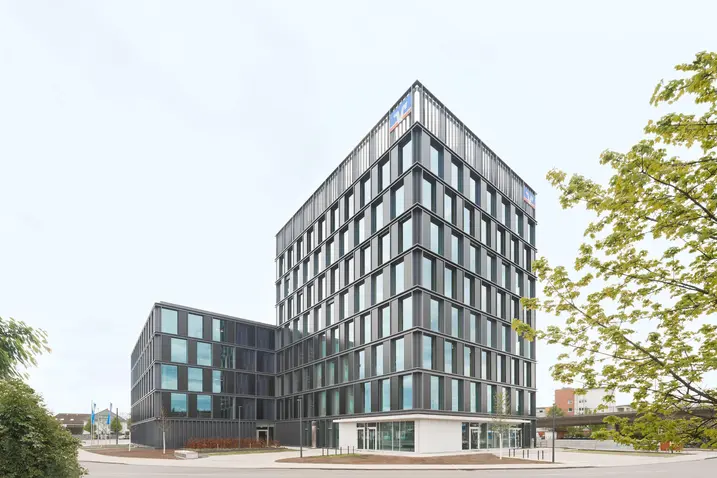
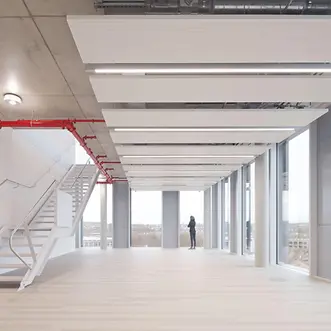
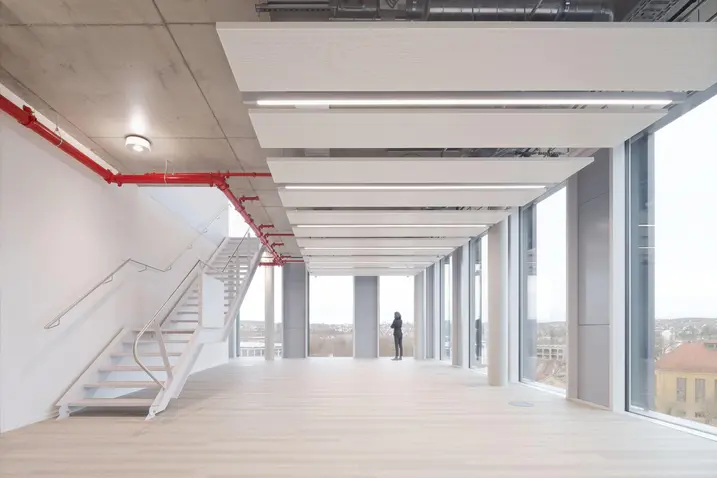
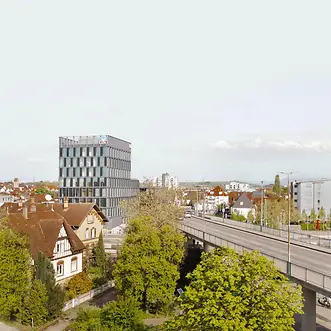
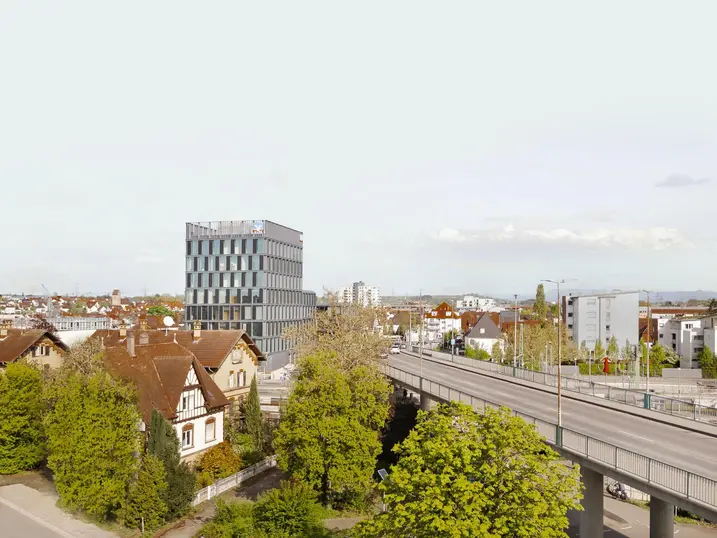
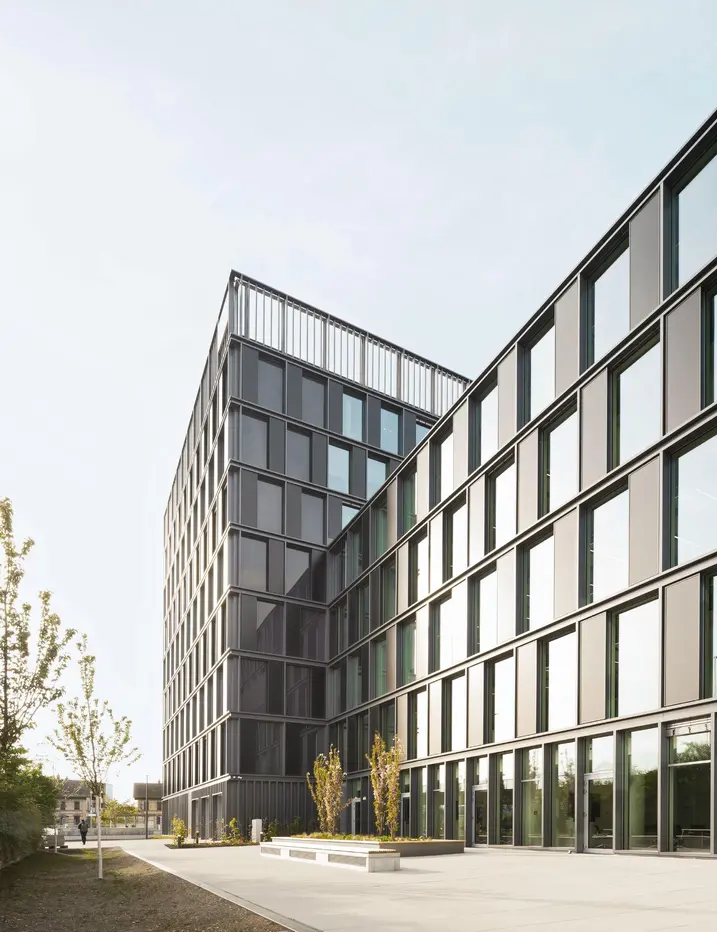
With the Volksbank Forum newbuild in Wendlingen, Volksbank Mittlerer Neckar eG has worked together with architectural practice Muffler Architekten, main contractor Ed. Züblin AG and consulting company Drees & Sommer to create a prime example of sustainable and forward-thinking construction. A key element of the energy-efficient, low carbon building operation is the 900 m2 of Building integrated photovoltaics from Schüco.

Detaljer om referencen

Bygningstype Kvarterer og bygninger til blandet brug
Produktkategorier Vinduer Døre Facader Brand- og røgbeskyttelse BIPV
Schüco-systemer da FWS 50.SI ADS 75 HD.HI ADS 50 FWS 50 BIPV
Egenskaber Nybyggeri Dekarbonisering Energieffektivitet Brandbeskyttelse Røgbeskyttelse
Placering Wendlingen am Neckar, Baden-Württemberg
Færdiggørelse 2024
Arkitekter Ed. Züblin AG,Muffler Architekten
Specialvirksomhed Siegfried Wölz Stahl- und Metallbau GmbH & Co. KG
Billedkredit © Brigida Gonzales / Muffler Architekten

An office building that acts as a power station

Thanks to around 400 integrated photovoltaic panels with a total output of 176 kWp, the building envelope of the three-part office complex acts as its own energy supplier. Combined with additional PV modules on the roof, the energy required for heating and cooling is almost completely covered by what the building itself produces. Under the German energy-saving regulations (EnEV), the electricity generated by the building can be subtracted from the calculated energy requirements, meaning the primary energy requirement is exceptionally low. This reduces operating costs and ensures low carbon emissions in the operating phase. The energy and sustainability concept developed by Drees & Sommer also stipulates the use of a geothermal energy system: heating and cooling is achieved with the help of a brine water heat pump, so that the newbuild meets the challenging energy-efficiency standards of a KfW Efficiency House 40.

“We supported the architects with the planning of the BIPV modules and supplied calculations of yields and an inverter layout, for example, to ensure optimal performance of the BIPV modules. The office complex can now be operated in summer with almost no need for external energy. A building equipped in such as way becomes its own energy supplier and makes a lasting contribution to a positive carbon footprint during operation.”

Marco Schech, Projektmanager BIPV bei Schüco

Making a statement with the new administrative complex

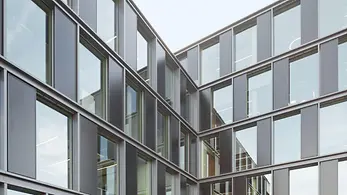
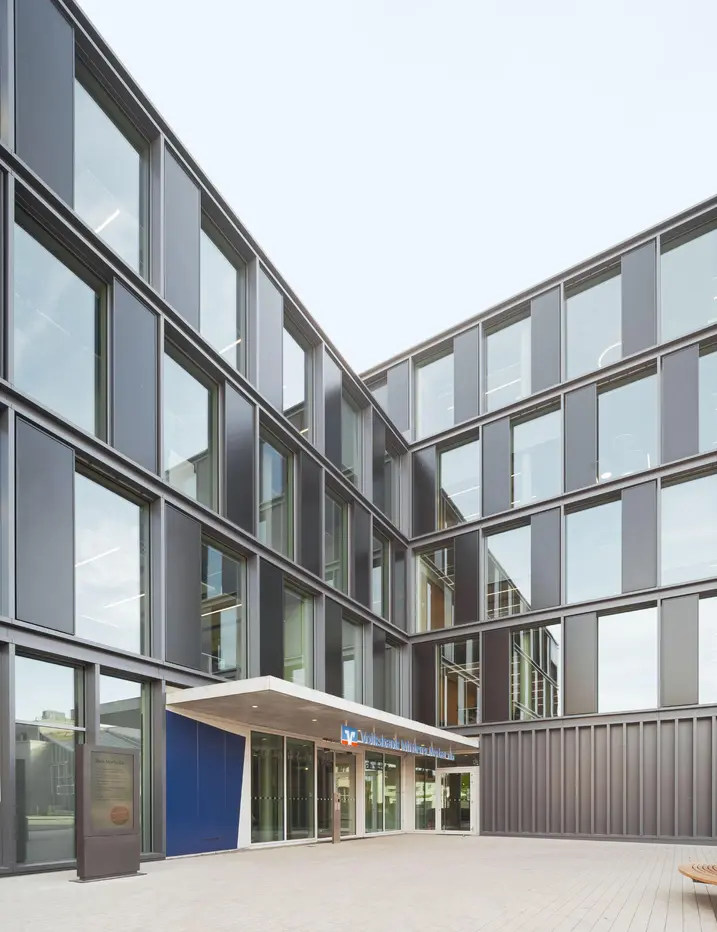
Volksbank Mittlerer Neckar has invested more than 80 million euros in their new administrative complex and they are hoping to use this newbuild to make a statement about sustainability. The BIPV modules make a significant contribution to this: those involved in the building project can expect an annual yield of approximately 167,600 kWh. However, the BIPV modules do much more than just generate energy. They fulfil several other important functions, including weather resistance, thermal insulation, sun shading and screening, sound reduction and protection against fire and break-ins. In this way, they also help the building to feel safer and more comfortable.

Striking three-part office building

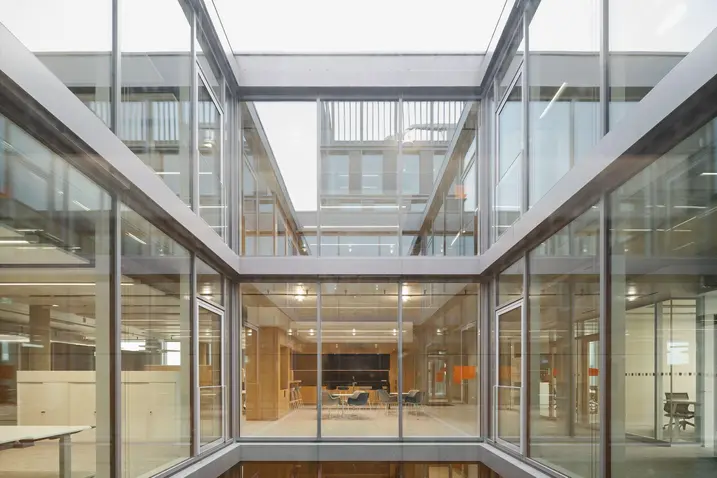
With its three distinctive structures, the multifunctional office building offers an innovative working environment. The usable spaces of the Volksbank are located in the four-storey and five-storey structures. Volksbank Mittlerer Neckar eG have brought all of the internal departments that were previously spread across eight different locations in the region together in one place. A section of the 18,370 square metre total floor area has been rented out. Office areas that have been rented externally are located in the eight-storey building structure, along with a police station.

Produktinformationer

ERC 50

da

Improves the appearance and technology of old façades with added benefits, value and potential for revenue generation

The Schüco Modernisation Façade ERC 50 rises to the challenge of modernisation with a holistic system approach. This ensures efficient processes for planning, fabrication and installation. The building remains operational throughout the building work. To enable this, an external load-bearing structure is stretched across the building structure from roof to roof. The load-bearing structure serves as the basic framework for the smooth and uncomplicated integration of all the following system modules: e.g. façade-integrated solar shading systems, building-integrated photovoltaics (BIPV) or decentralised ventilation with Schüco VentoTherm. Schüco ERC 50 prevent costs from the loss of rent and working hours, accelerate the construction process and sustainably increase the value of the property.

Læs mere​

FWS 50.SI

Schüco Facadesystem FWS 50.SI

Passivhus-certificeret post/sprosse facade til en række forskellige løsninger

Baseret på banebrydende isolator teknologi tilbyder Schüco FWS 50.SI (Super Insulated) facadesystemet høje termisk isolerede løsninger til design af forskellige facader og glastag til passivhus-niveau, herunder optimerede fremstillings- og installationsprocesser.

Læs mere​

ADS 75 HD.HI

Schüco Dørsystem ADS 75 HD.HI

Døre i store formater fra Schüco-dørsystemet ADS HD (Heavy Duty) bliver markante midtpunkter. De giver enhver bygning en særlig karakter. Især i bygninger med offentlig adgang giver Schüco-døranlæggene stabilitet ved høje besøgstal og store åbningsbredder.

Læs mere​

FWS 50

Schüco Facadesystem FWS 50

Ny Schüco FWS 50 / FWS 60 post/sprosse facade forener en enkel produktion med den bedste energieffektivitet på passivhusniveau.

Schüco facaden FWS 50 / FWS 60 sætter nye standarder for produktion og energieffektivitet. Ved videreudviklingen af de velkendte systemer har der været stor fokus på optimering af produktionen i værkstedet og på byggepladsen. Nye præfabrikerede systemkomponenter sørger f.eks. for en væsentlig hurtigere og dermed mere rationel produktionsproces.

Læs mere​

BIPV

Schüco Building Integrated Photovoltaics

Effektive løsninger til bæredygtig energiproduktion i bygninger

I overensstemmelse med EU's byggeretningslinje "2010/31/EU" skal hver ny bygning i EU-medlemslande fra 2021 opføres som en "næsten nulenergibygning" med en stort set kompenseret overordnet energieffektivitet. I denne sammenhæng sigter den tyske forbundsregering mod at gøre en klimaneutral byggeøkonomi til virkelighed i 2050.

Læs mere​