B-One

Berlin Hyp opts for solar power using BIPV

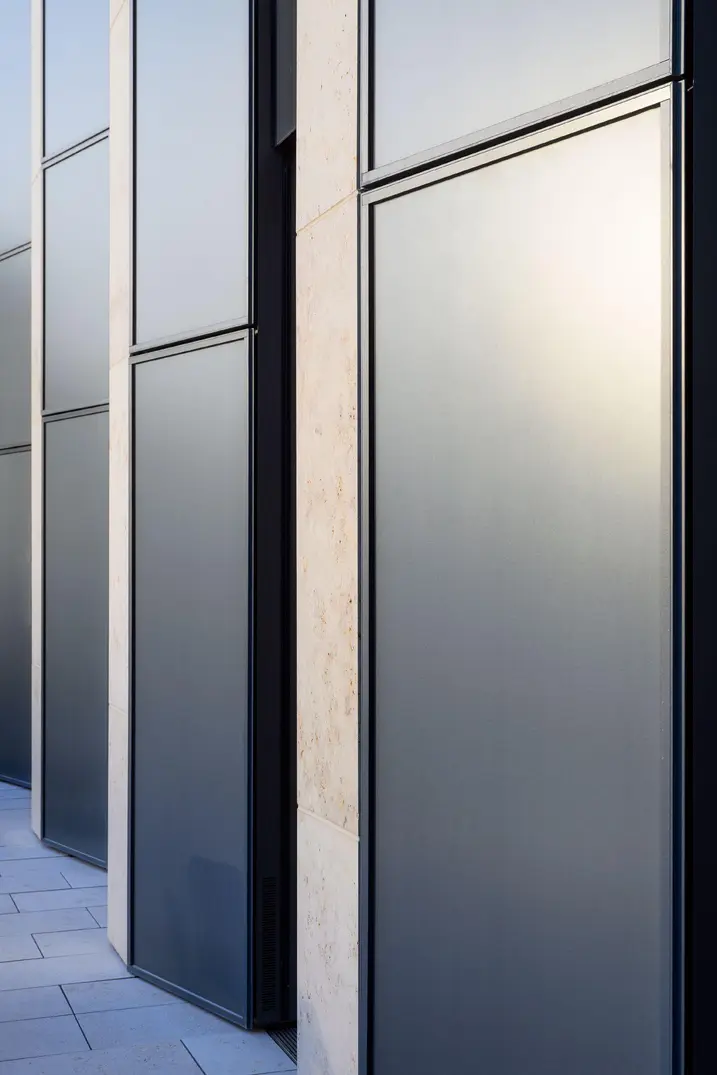
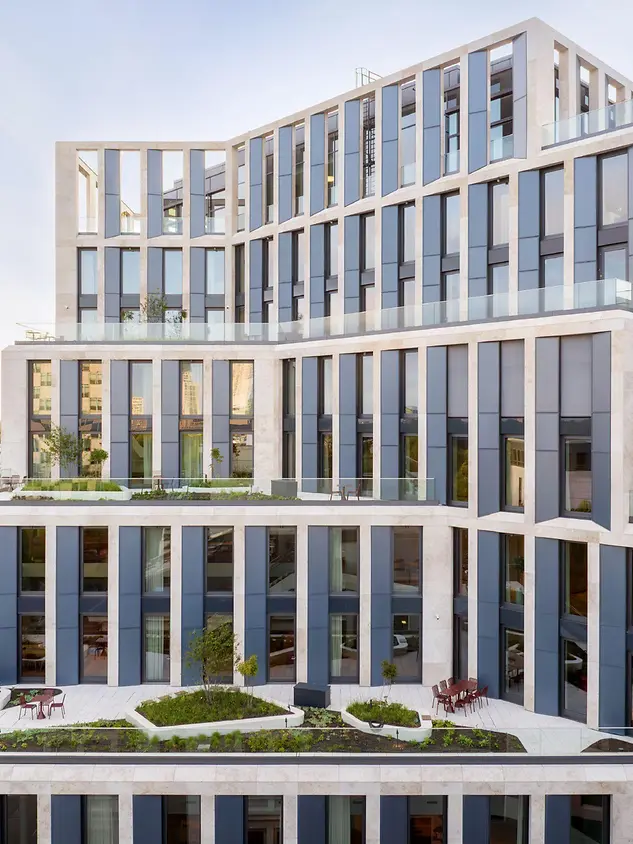
Photovoltaic modules integrated into the façade (BIPV) are a key factor in reducing carbon emissions and ensuring cost-efficient building operation. On average, the PV units of the B-One building in Berlin supply around 20% of its own energy requirements annually.

Detaljer om referencen

Bygningstype Kontor og administration
Produktkategorier Vinduer Brand- og røgbeskyttelse Skydedøre BIPV Automatisering
Schüco-systemer BIPV ADS 80 FR 30 FWS 60
Egenskaber Nybyggeri Cirkularitet DGNB Brandbeskyttelse Røgbeskyttelse
Placering Berlin, Berlin
Færdiggørelse 2025
Arkitekter CF Moller Berlin,Ed. Züblin AG Direktion Nord-Ost Bereich Berlin
Specialvirksomhed Dobler-MBM-GmbH,FASYTEC GmbH
Billedkredit © Franz Brück

Urban living meets New Work

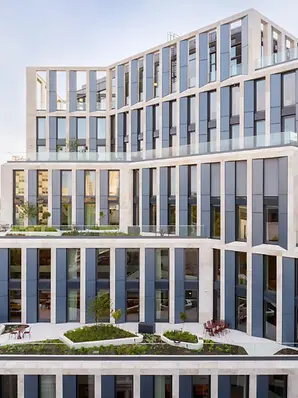
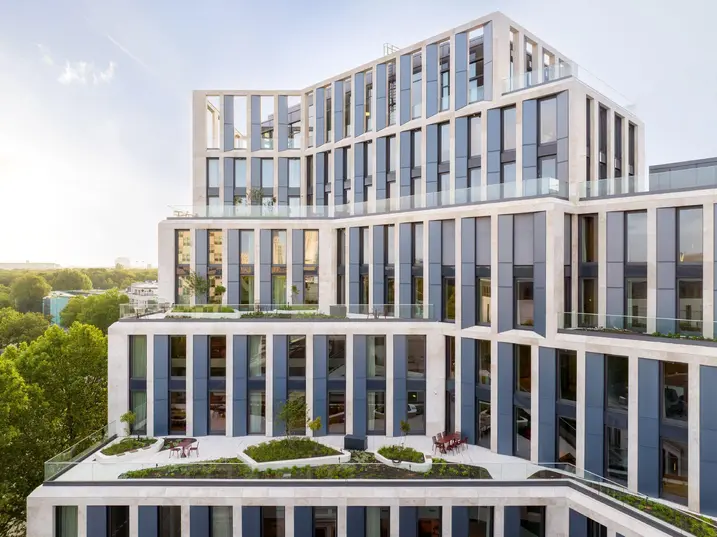
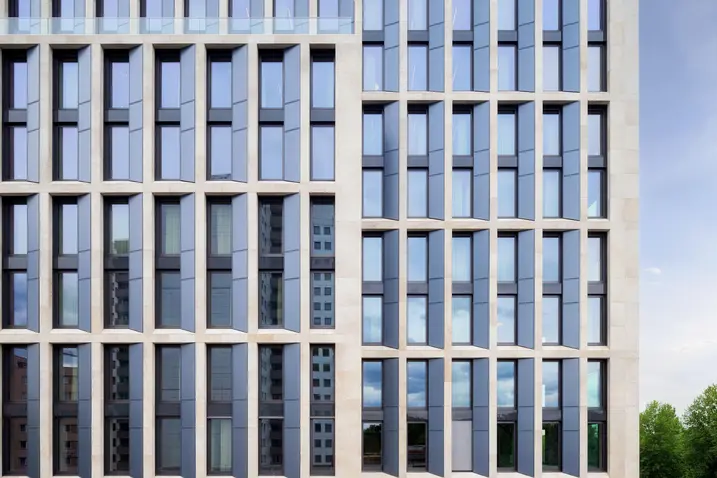
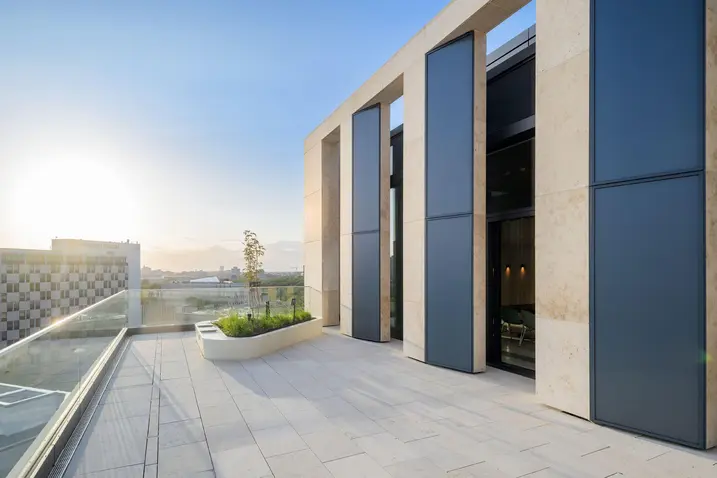
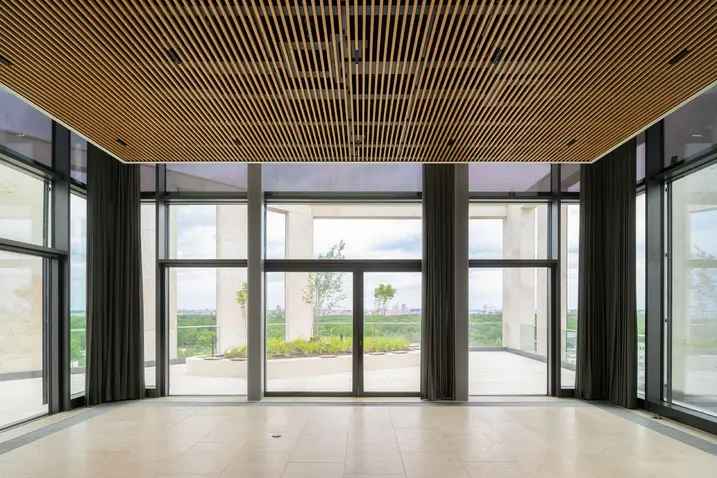
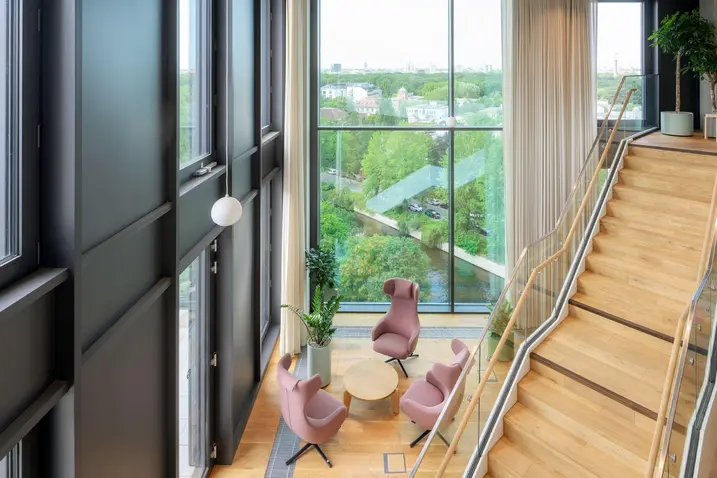
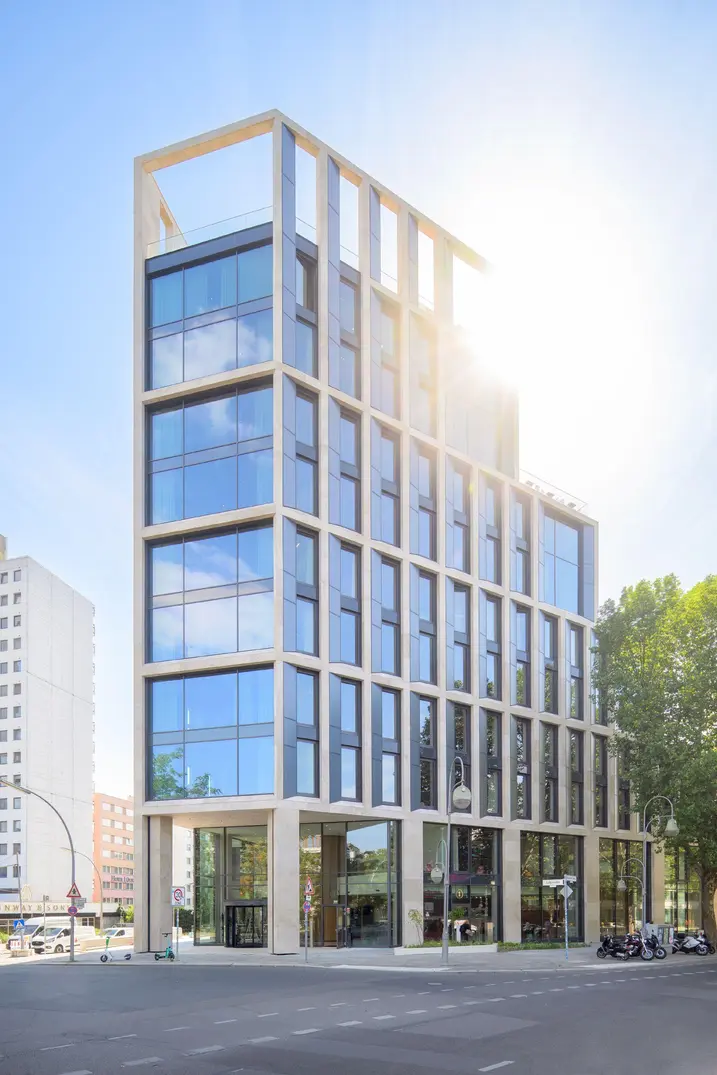
Located on the north-eastern edge of Berlin City West, the B-One building is the new headquarters of Berlin Hyp and emphasises the sustainable vision of the real estate financier, while simultaneously serving as a catalyst for urban change in Berlin. Designed by C.F. Møller Architects, the 13-storey building offers modern working environments, while being perfectly integrated into the existing perimeter block development at Budapester Straße 1. The ground floor area serves as a meeting place and creative workspace. Green terraces on various levels, a roof garden on the 10th floor with views over Berlin's Tiergarten park and a green inner courtyard all connect the inside spaces with the outside spaces, creating a diverse working environment.

Energy efficiency and sustainability as a guiding principle

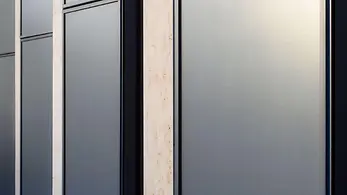
Special attention has been paid when approaching the project to ensure it is sustainable. With its energy-efficient construction and the use of state-of-the-art technologies such as geothermal energy and concrete core activation, the new building is striving to achieve the highest DGNB award, “Platinum“. Photovoltaic modules integrated into the façade are a central element in the generation of sustainable energy. Around 1200 m² of BIPV are harmoniously integrated into the façade grid made from natural stone and blend discreetly into the building envelope. The façade design uses natural materials to create a relaxed appearance and its construction is effective in reducing solar radiation.

Low carbon aluminium for fewer emissions

The client's sustainability requirements have been consistently met by means of ordering 70 tonnes of Low Carbon (LC) aluminium from Schüco. Schüco LC aluminium impresses with a lower carbon footprint than aluminium manufactured in the conventional way. This is achieved by using recycled materials and purchasing green electricity during production. The decision to use Schüco LC aluminium led to a significant reduction in the emissions generated during the project. In addition, the use of building-integrated photovoltaics (BIPV) helps to reduce emissions during operation. The result is a decarbonised building with a minimised environmental impact throughout its entire life cycle.

Produktinformationer

BIPV

Schüco Building Integrated Photovoltaics

Effektive løsninger til bæredygtig energiproduktion i bygninger

I overensstemmelse med EU's byggeretningslinje "2010/31/EU" skal hver ny bygning i EU-medlemslande fra 2021 opføres som en "næsten nulenergibygning" med en stort set kompenseret overordnet energieffektivitet. I denne sammenhæng sigter den tyske forbundsregering mod at gøre en klimaneutral byggeøkonomi til virkelighed i 2050.

Læs mere​

ADS 80 FR 30

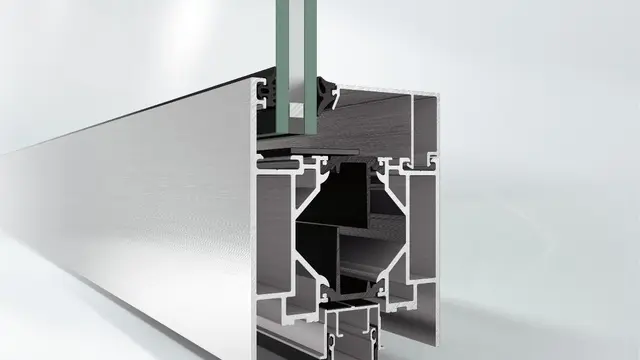
Schüco Dørsystem ADS 80 FR 30

Dør- og vægkonstruktionen til multifunktionelle anvendelser. Serien er testet i henhold til europæiske (EN 1364/1634) og tyske standarder (DIN 4102) og opfylder kravene til brandmodstandsklasserne EI30 (T/F30) og EW30 (G30).

Læs mere​

FWS 60

Schüco Facadesystem FWS 60

Ny Schüco FWS 50 / FWS 60 post/sprosse facade forener en enkel produktion med den bedste energieffektivitet på passivhusniveau.

Schüco facaden FWS 50 / FWS 60 sætter nye standarder for produktion og energieffektivitet. Ved videreudviklingen af de velkendte systemer har der været stor fokus på optimering af produktionen i værkstedet og på byggepladsen. Nye præfabrikerede systemkomponenter sørger f.eks. for en væsentlig hurtigere og dermed mere rationel produktionsproces.

Læs mere​