Set the course for reducing project-related CO₂ emissions during the planning phase​

Schüco Carbon Control’s cross-construction-phase range of solutions gives architects and planners access to services and systems that enable CO₂-related metrics to be considered across the entire building lifecycle from the initial design stage.​

Why plan projects with Carbon Control?

Design with an impact on embodied carbon​

For example, through Schüco’s CO₂-reduced material grades*.​

Ensuring circularity​

With Bronze and Silver product certifications under the Cradle to Cradle Certified® Products Program.​

Efficient operating concepts​

Automated building controls and building-integrated photovoltaics enable energy-efficient building concepts.​

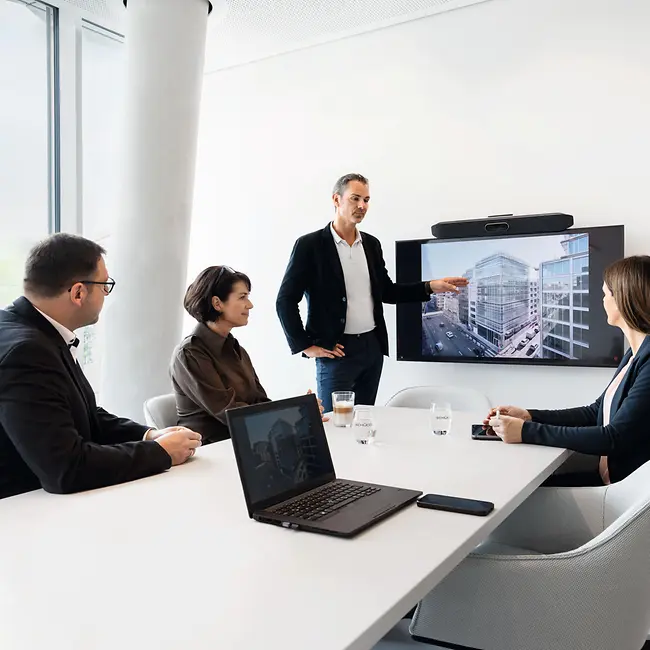
Project-specific consulting​

Our team advises architects and planners on recording and reducing project-related CO₂ emissions.​

Consider CO₂ metrics throughout the building lifecycle​

During operation, automated windows, night-time cooling, adaptive shading, and building-integrated photovoltaics support holistic building concepts. Schüco adds RE:CORE to document and track materials across lifecycle phases. This supports circular material strategies. From the earliest project phases, Schüco provides services and system solutions for architects and planners working on new construction and renovation projects.​

Design to Decarb

From the design and planning stage, carbon-reducing products and services are setting the course for optimised carbon footprints in buildings. Construction and function offer architects and developers numerous opportunities to plan a lower carbon footprint for a building from the outset.

Build to Decarb

The embodied carbon can be consciously reduced through the choice of materials. To do this, Schüco offers aluminium and PVC-U material grades with different recycled material content and hybrid constructions. Schüco distributes low-carbon aluminium in accordance with the allotment process. This means that no differentiation is made between the different material grades for delivery. This saves CO₂ during transport and storage. The profiles supplied may therefore consist of low-carbon or standard aluminium, irrespective of what has been ordered.

Operate to Decarb

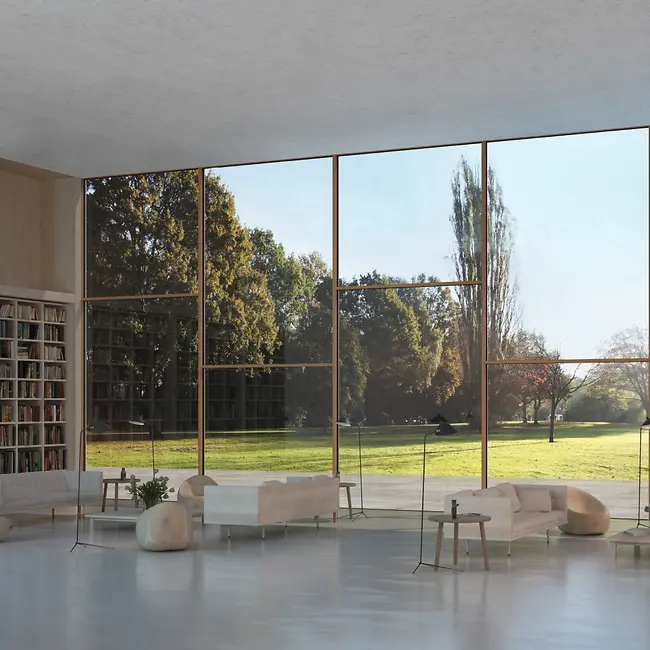
The highly efficient operation of a building is a key factor for minimising its carbon emissions and for ensuring its cost effectiveness. Continuously sustainable and low-carbon operation can be planned from the outset with intelligent solutions and efficient operating concepts – for an optimum carbon footprint while the building is in use.

Recycle to Decarb

Forward planning and services help to feed materials that are at the end of their service life back into the cycle as new resources. When recycling concepts are included in the design plans from the outset, you can ensure that construction materials are subsequently fed back into the closed cycle.

Contact us

Our CO₂ consultancy team helps architects to actively minimise a building envelope's carbon footprint during the early planning stages.

Reference projects

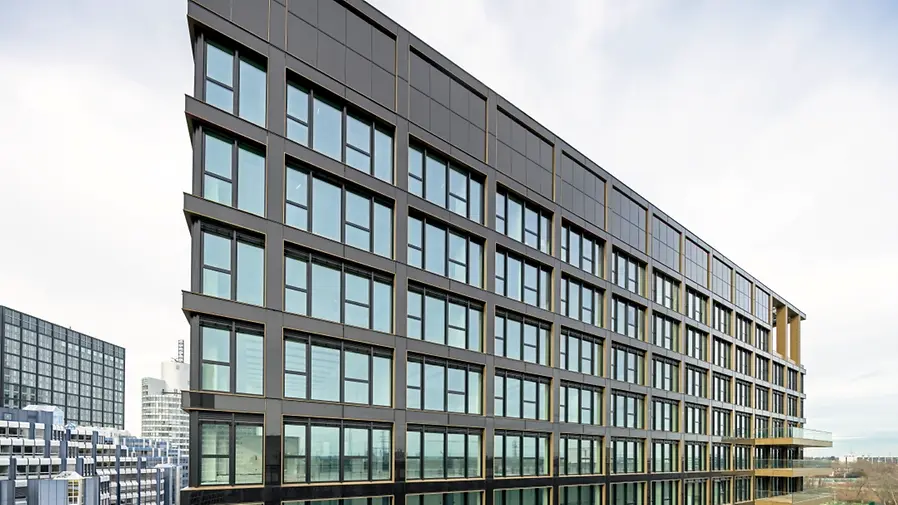
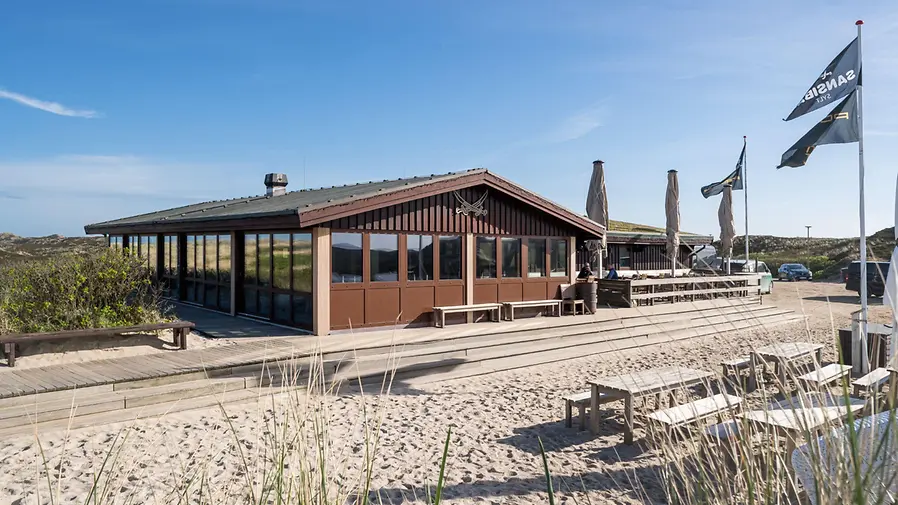
Schüco offers various solutions and services for addressing CO₂-relevant factors of the building envelope throughout a property’s entire lifecycle. Our reference projects show how Schüco Carbon Control’s cross-construction-phase range of solutions enables project-specific decarbonisation of the building envelope.​

FAQs

What does EPD stand for?

What does EPD stand for?

The abbreviation EPD stands for Environmental Product Declaration. An EPD is an important, standardised document for architects that lists the environmental properties of a particular construction material in the form of data. Ideally, the entire lifecycle of the material is considered – from raw material extraction and production through to use and disposal. This data is based on the Global Warming Potential (GWP) of the material as well as the construction.

This information is used to make an ecological assessment and certification of the building, which offers architects and developers a solid basis for making sustainable decisions. In the construction industry, EPDs are a valuable tool for clearly assessing the environmental impact of materials.At Schüco, EPDs are an essential component of Carbon Control, which help to clearly map the carbon footprint of a building.

Why is it so important to control carbon emissions?

Why is it so important to control carbon emissions?

For architects, controlling carbon emissions is key to designing sustainable, future-proof buildings. CO₂ is one of the main greenhouse gases that contributes significantly to global warming, which has far-reaching consequences for the environment, economy and society. As the construction industry produces a significant amount of global carbon emissions, it is essential for architects to take specific measures to reduce these emissions when planning and implementing building projects. 

As part of its European Green Deal, the EU has set ambitious climate objectives: greenhouse gases must be reduced by 55% by 2030, and climate neutrality achieved by 2050. From 2028, stricter CO₂ regulations will apply to newbuilds with more than 1000 m² of usable space; this will apply to all newbuilds from 2030. Schüco Carbon Control helps architects to achieve these objectives by providing a holistic view of carbon footprints – from material production and the construction phase through to use and subsequent re-use.

The integration of Carbon Control enables architects to develop buildings that not only meet the latest legal regulations, but also actively support the global climate objectives.

How can we plan energy-efficient buildings?

How can we plan energy-efficient buildings?

An energy-efficient building uses energy incredibly efficiently, which means that energy consumption is minimised in all areas of the building. This covers both operation of the building – i.e. heating, cooling, ventilation and lighting – as well as the full lifecycle of the building, including the so-called grey energy stored in the building materials. Here, it's not just about saving energy during operation, but also making sustainable decisions during planning, material selection, construction and ultimately dismantling of the building. 

Buildings are considered to be "green" when CO₂ reduction concepts are implemented at every stage of the building lifecycle and there is a focus on sustainability. Schüco supports architects with Carbon Control by designing these types of buildings, where carbon emissions are minimised over the full lifecycle – from material selection to re-use. Energy-efficient buildings therefore not only contribute to reducing energy consumption, they also help to achieve the global climate objectives.