Belle Harbour

From art project to living space

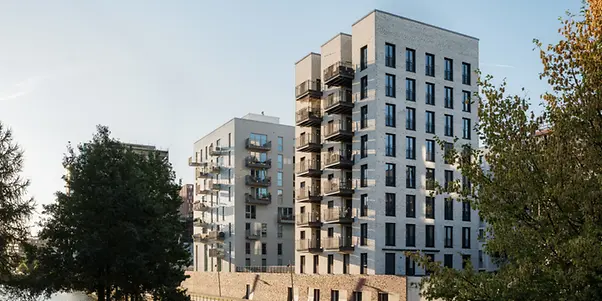
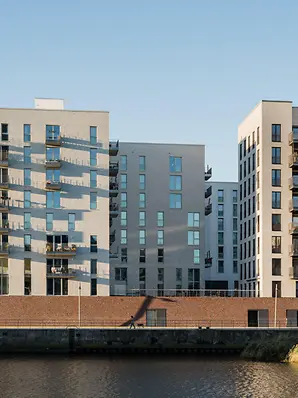
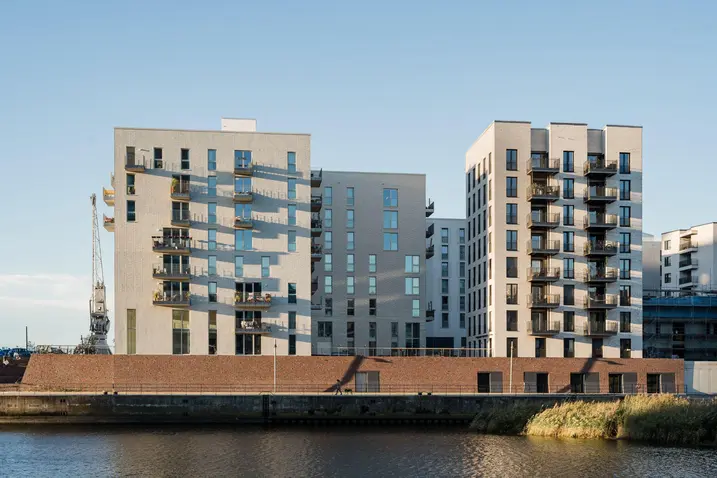
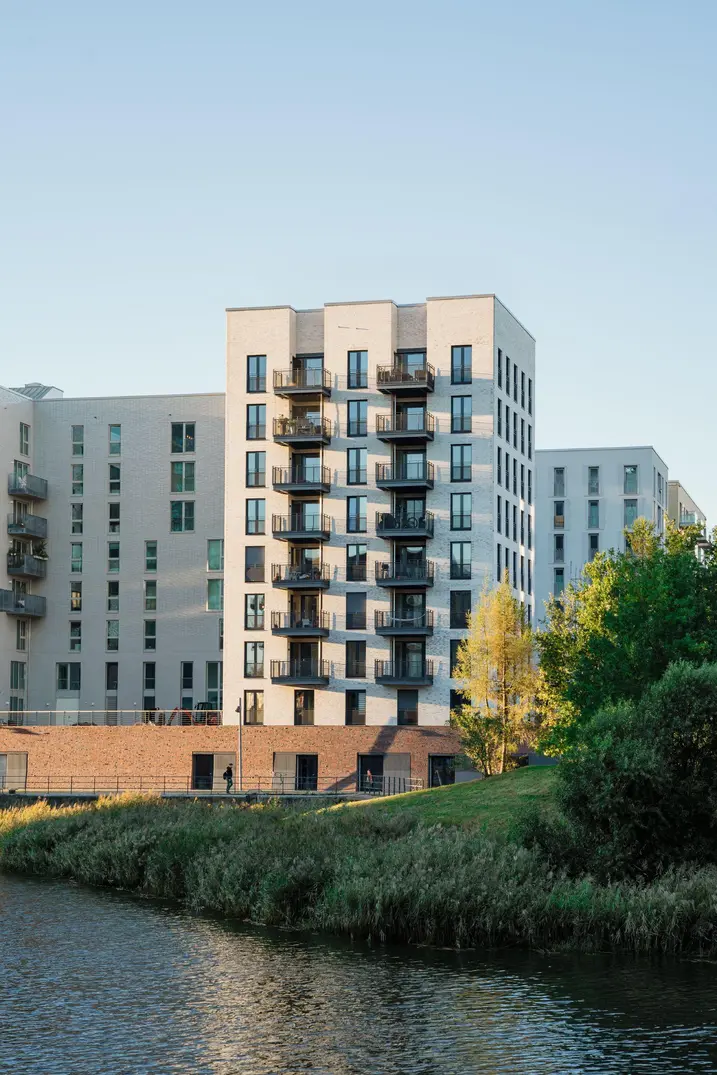
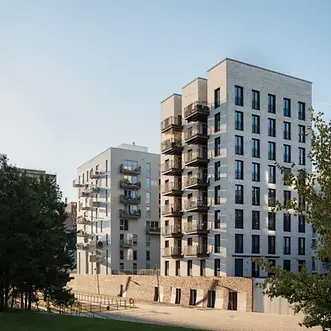
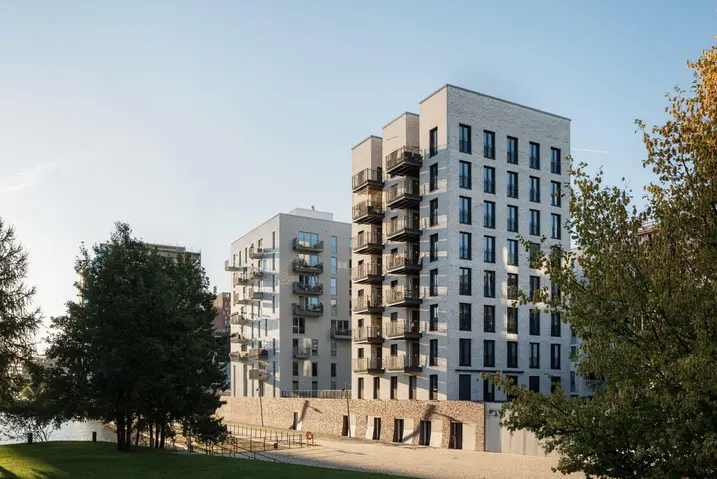
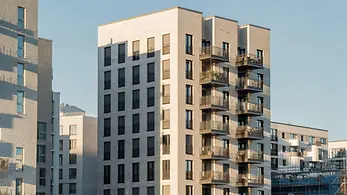
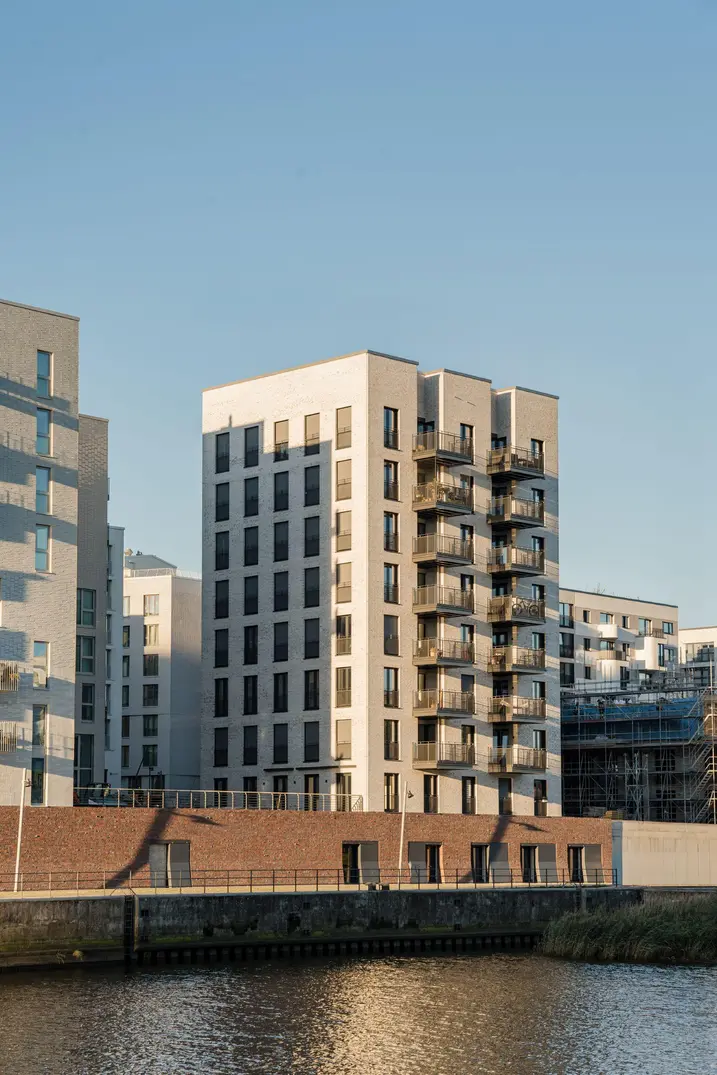
The “Belle Harbour” residential project located in the heart of Hamburg's HafenCity combines architecture, sustainability and social responsibility in an exemplary fashion. The slimline residential tower with its clearly structured façade, vertical cut-outs for balconies and striking crown with a roof garden gives the cityscape an impressive accent and at the same time makes a statement about sustainable construction and inclusive living.

Dettagli di riferimento

Tipo di edificio Condominio
Aree di prodotto Finestre Porte Ventilazione
Sistemi Schüco AD UP 90 AWS 90.SI+ AWS 120 CC.SI AWS 70.HI VentoAir VentoFrame
Caratteristiche Nuova costruzione circolarità Accessibilità
Ubicazione Hamburg, Hamburg
Completamento 2024
Architetti Winking Froh Architekten GmbH
Azienda specializzata Geerds Metallbau GmbH
Crediti fotografici Architekturfotografie Bach

Inclusive accommodation

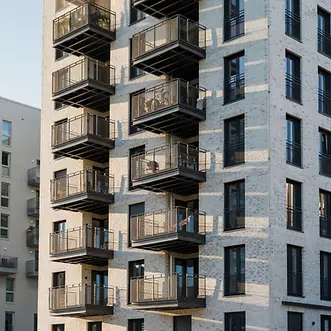
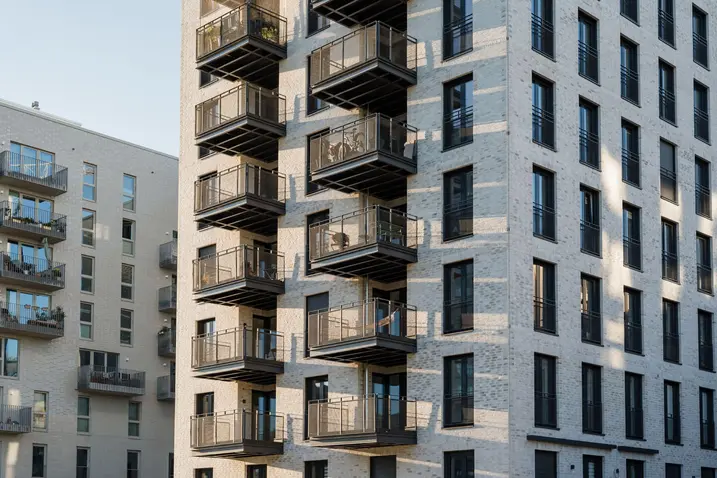
Developed by Berlin-based architectural practice Winking Froh Architekten, Belle Harbour comprises seventeen apartments, communal areas and a roof terrace, which are designed as areas for families and partially-sighted people to share together. The building structure of the residential tower is characterised by sculptured cut-outs that open up to generous balconies for the residents and, at the same time, emphasise the vertical effect of the building. The heart of the building is the enormous roof space with a garden and communal terrace. This is where the concept of inclusive, community-based living comes together: a place where people with and without visual impairments live together, supported by barrier-free planning, special orientation aids and complementary mobility and learning services.

Completely circular

Forming the foundation for the Belle Harbour project are the HafenCity Hamburg environmental label requirements, which span five categories and consider the recyclability and environmental impact of materials. “We take the requirements of HafenCity very seriously,” emphasises Dr Stephanie Gamm, Founder and Project Manager of Belle Harbour. “We consider every material in terms of its life cycle – from manufacture to the possibility of dismantling. Our aim is to avoid grey energy, reduce CO emissions and choose construction materials that can be separated and reused later on. This creates a house that is not only efficient in its operation but could become part of the material cycle itself one day.”

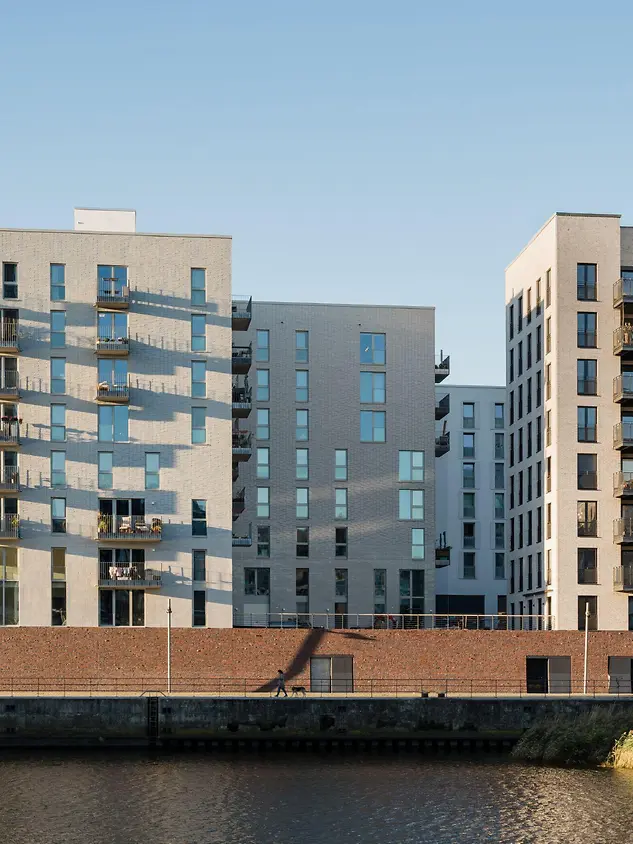
Panoramabild eines modernen Beton Hauses mir großen Schüco Fenstern

Window profiles with a special story

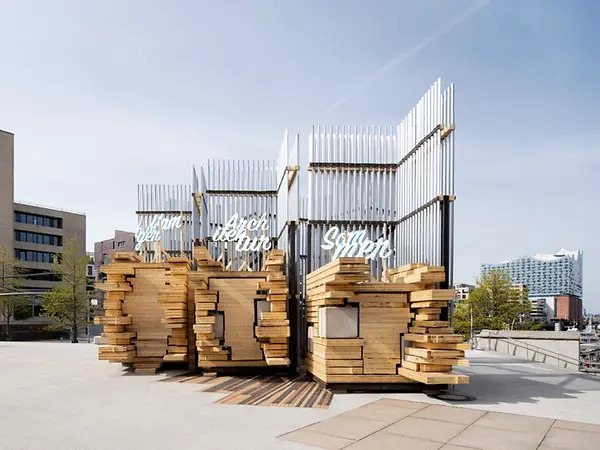
The window profiles are an even more impressive feature of Belle Harbour's evolutionary story. About 500 aluminium profiles, around 160 of which are windows, had already lived through their first service life. However, they were not initially construction units, instead forming part of the art installation at Hamburg's Summer of Architecture 2023. The artist collective known as umschichten had erected a pavilion made of aluminium and wood on the Magellan Terraces in the immediate vicinity of the Elbphilharmonie concert hall. Despite normally being used for windows, the profiles were incorporated into an expansive sculpture that served as a stage, meeting spot and place for reflection. “Our projects that address the circular economy are characterised by their careful use of materials but always under the premise that they can be dismantled, sorted and reused elsewhere. Ultimately, this encourages an appreciation for our resources," says artist Lukasz Lendzinski, referring to the message behind the installation.

Buildings are raw material stores of the future

At the end of the architectural festival, the aluminium profiles were dismantled and sorted, then stored, checked and re-coated. Eventually, they were filtered back into the production process and turned into window frames by Geerds Metallbau. They then found their final destination in the Belle Harbour project. “The profiles were processed in the same way as new material,” explains Karl Geerds. “We noticed no differences in either production or assembly.” The quality inspection that was coordinated by Schüco as well as the coating manufacturer's report confirmed that the recovered profiles are fully usable. “This was a real pilot project for us,” added Geerds. “It shows that recycling is possible in the aluminium industry without any technical issues – and without a loss in quality too.”

100_208634_AD_Up_75_m_Rauchschutz

Pilot project for a creative circular economy

Schüco considers this project an example of the future of construction: “Buildings are raw material stores. Everything that we have installed here will still be of value at the end of the building's lifetime,” highlights Jochen Strellmann, who is Head of Project Business in Hamburg. Thanks to state-of-the-art separating and sorting methods, aluminium windows can be almost completely recycled, with as much as 98% of materials fed back into the material cycle. “This temporary use of profiles supports the idea that buildings are raw material stores – and that this raw material is also a recyclable material, which can be reused at the end of its service life," summarises Strellmann.

A focus on appreciating resources

Belle Harbour is setting new standards in a number of ways, including architecturally, socially and economically. The journey of these aluminium profiles – from the art installation through to their dismantling and reuse – is a prime example of a new approach to resources. True to the Hamburg Summer of Architecture motto of ‘Restructure’ for materials, architecture and cities, this temporary art project was transformed into a permanent building block for sustainable living.

Informazioni sul prodotto

AD UP 90

Schüco Sistema per porte AD UP 90

Sistema per porte futuristiche ad alte prestazioni per l’edilizia commerciale e residenziale

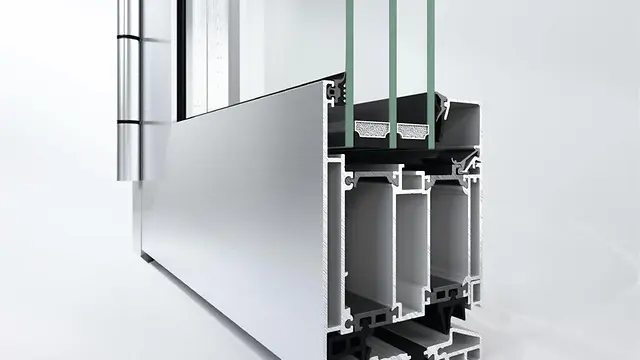
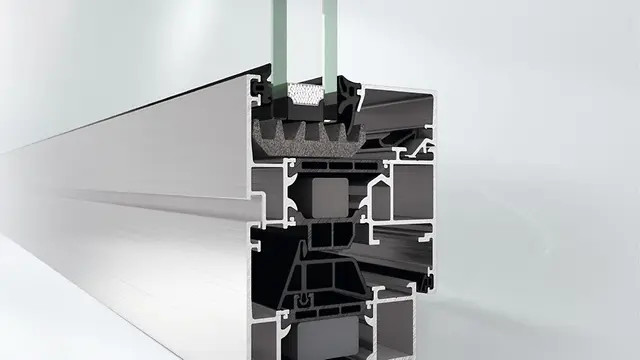
Progettato per soluzioni altamente specifiche ed esigenti per l'edilizia residenziale e commerciale: il sistema per porte Schüco AD UP 90, altamente stabile, con una profondità costruttiva di 90 mm, si basa sul principio di costruzione a triplo strato e utilizza un sistema a doppia guarnizione centrale che garantisce ottime prestazioni in termini di efficienza energetica, isolamento e resistenza agli agenti atmosferici.

Scopri di più

AWS 90.SI+

Schüco Sistema per finestre AWS 90.SI+

Massimo isolamento termico unito a stile e libertà progettuale

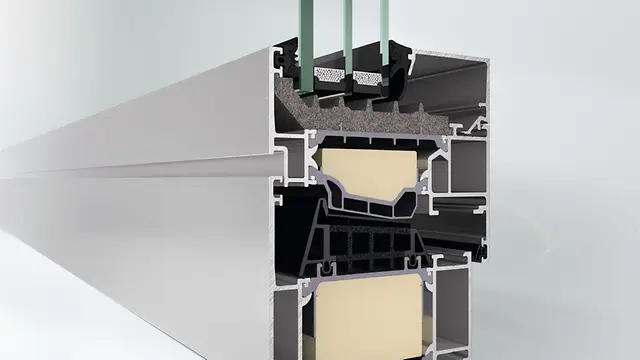
Il sistema di finestre Schüco AWS 90.SI+ (Super Insulation) soddisfa pienamente i requisiti strutturali offrendo allo stesso tempo la massima libertà progettuale, compreso l'isolamento termico ottimizzato e la certificazione di casa passiva.

Scopri di più

AWS 120 CC.SI

Schüco Sistema per finestre AWS 120 CC.SI

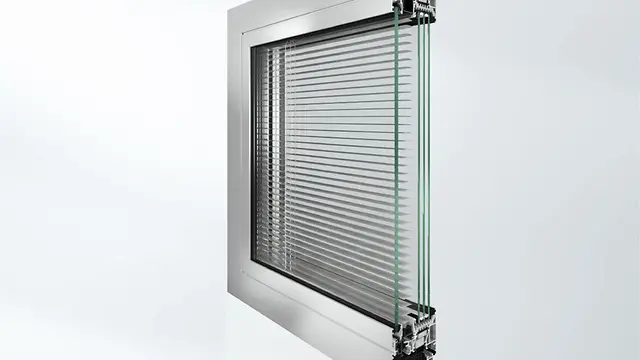
Finestra Schüco a doppia anta ottimizzata con elevato grado di comfort integrato e funzioni climatiche

Il sistema di finestre Schüco AWS 120 CC.SI (Composite Construction Super Insulation) unitamente al sistema di schermatura solare Schüco CCB (Concealed Composite Blind) è un sistema completo, ottimizzato per involucri edilizi a basso consumo energetico. Il sistema offre isolamento termico certificato casa passiva e schermatura solare, protezione antiabbagliante e protezione della privacy con un’ottima visione dell'esterno, che possono essere utilizzati con qualsiasi tempo. Con un pacchetto di lamelle appena visibile quando la veneziana è alzata e nessuna luce che filtra dai lati quando la veneziana è abbassata, l’estetica interna ed esterna di questo sistema soddisfa le esigenze più impegnative in termini di design. È possibile anche un design per vetrate strutturali.

Scopri di più

AWS 70.HI

Schüco Sistema per finestre AWS 70.HI

Sistema di finestre ad alto isolamento termico con una interessante gamma di soluzioni

Come parte della piattaforma di sistema AWS, Schüco AWS 70.HI (High Insulation) offre una gamma di soluzioni interessanti per una profondità costruttiva di 70 mm con eccezionale isolamento termico.

Scopri di più

VentoAir

Schüco Sistema di ventilazione VentoAir

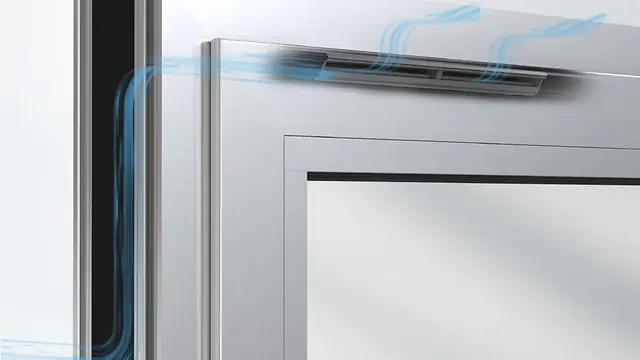
Aeratore meccanico autoregolabile nella zona di battuta della finestra

Il sistema Schüco VentoAir regola l'aerazione necessaria negli edifici residenziali, senza nessun intervento da parte dell'utente, consentendo così la prevenzione di costosi danni causati dalla muffa, che è in più dannosa per la salute.

Scopri di più

VentoFrame

Schüco Sistema di ventilazione VentoFrame

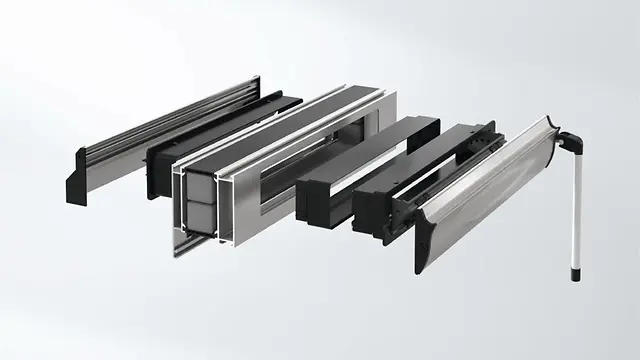
Aeratore autoregolante da finestra integrato nel telaio fisso per un clima interno salutare

Il sistema di aerazione modulare offre soluzioni flessibili con un numero variabile di aeratori - perfetto per garantire un ricambio d'aria controllato, adeguato all'uso del singolo ambiente, senza intervento degli utenti. In questo modo, l’edificio e i suoi utenti sono riforniti di aria fresca sufficiente e si evita la formazione di muffe.

Scopri di più